Skip to content
Generate Your Tattoo

Tattoo Cost Estimator

Size (Tiny to Extra Large) and style in, cost range out. Ranges are estimates — an artist quote wins. A 20% tip is shown separately.

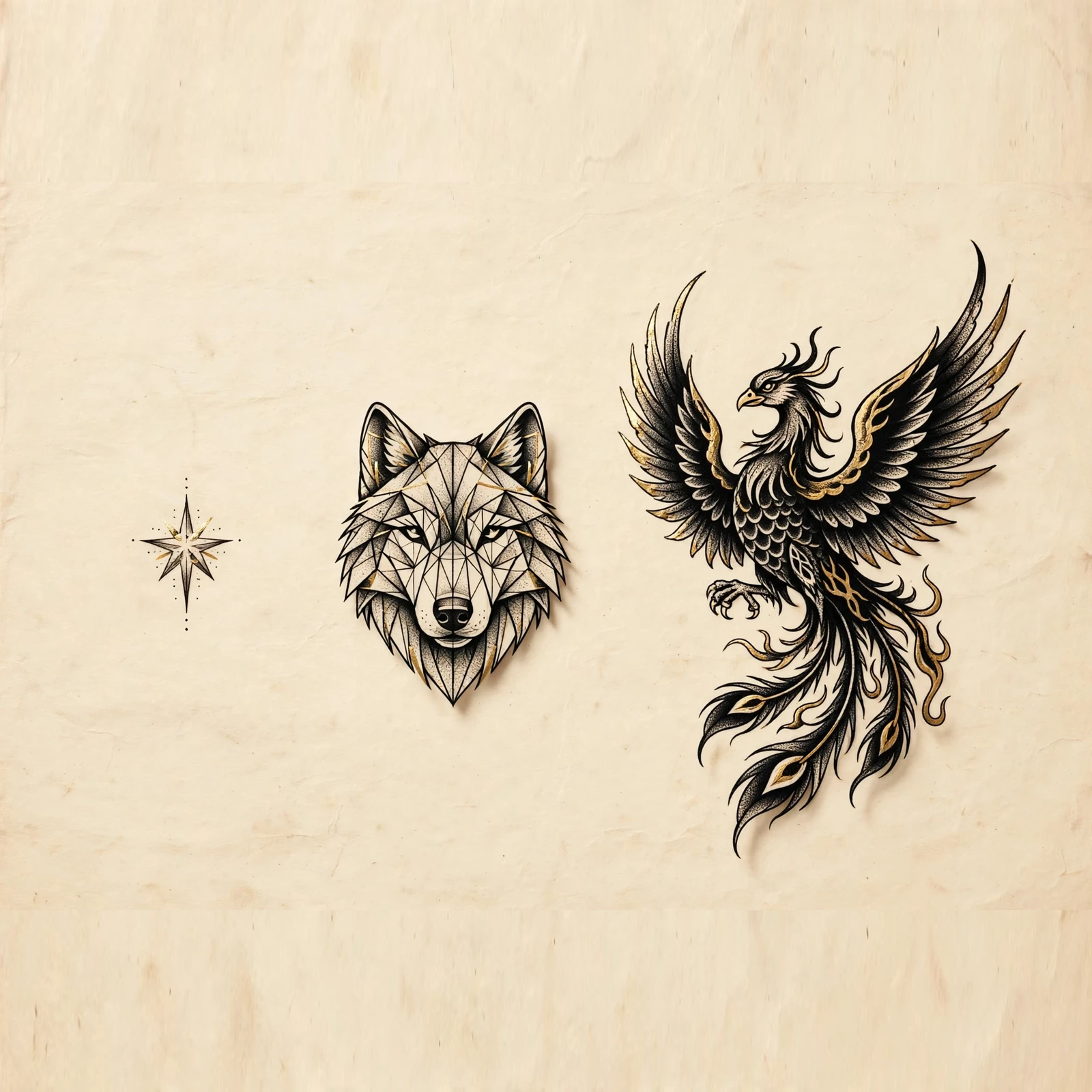
Tattoo design sheet showing small, medium and large tattoo designs side by side, blackwork — AI-generated

What does a tattoo cost by size?

Size is the biggest single driver of tattoo cost, so start here. Pick the size closest to your design and you get an estimated range and a typical time in the chair.

SizeEstimated rangeTypical time
Tiny$50–$25030 min–1 h
Small$50–$5001–3 h
Medium$200–$10002–5 h
Large$500–$20004–8 h
Extra Large$500–$20004–8 h+

These are estimates, not prices. Every studio quotes differently, so an artist's quote always wins over this table — use the range to sense-check the quote, not to replace it.

Tip is not included in the range. Budget 20% on top: 20% of $50–$250 is $10–$50, of $50–$500 is $10–$100, of $200–$1000 is $40–$200, and of $500–$2000 is $100–$400.

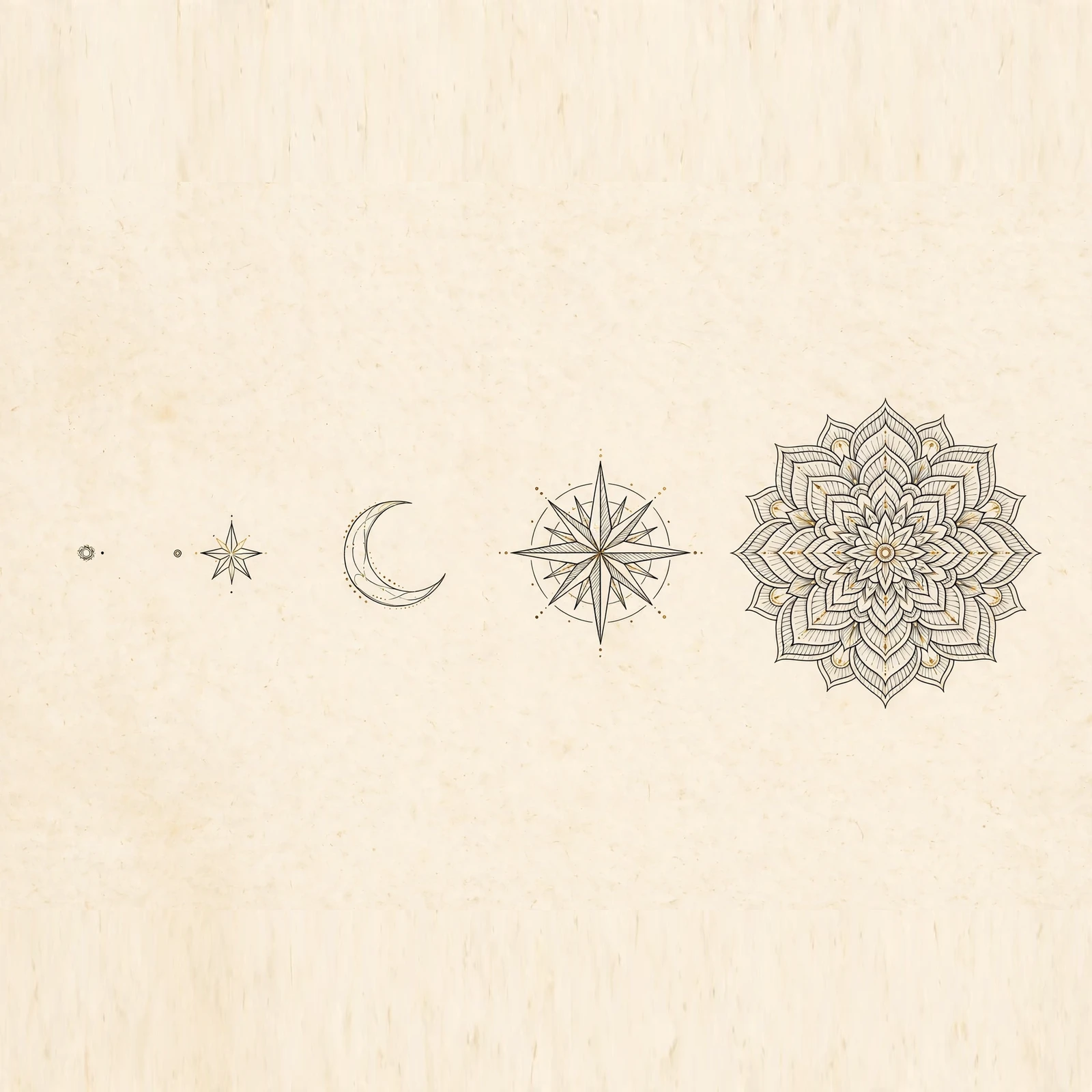
Five tattoo designs in a row from tiny to extra large, fine-line on cream — AI-generated

Why the range is wide

The same size tattoo can cost very different amounts because size is only the starting point. Detail, colour, placement, the artist's experience and the studio itself all move the price, and large work is usually split across several sessions, so two tattoos that look the same size on paper can sit at opposite ends of the range. That is normal — the range is honest about the spread instead of pretending there is one fixed price.

What changes the price

  • Size. Bigger means more time in the chair and more ink, so the range and the hours climb together from Tiny up to Extra Large.
  • Style and detail. Fine line, bold blackwork and colour behave differently: fine detail takes a steady hand and longer to lay in, while colour adds time and ink. A simple bold design and a detailed realistic one of the same size will not cost the same.
  • Placement. Where the tattoo sits matters for pain, healing and fading. Ribs are the sharpest spot on our guide at 8.5/10, while the forearm sits much lower at 3.5–4.5/10. Fingers fade very fast — expect fading in 6–12 months and plan touch-ups every 1–2 years — and hands fade the fastest of any placement, so touch-ups add to the real cost over time.
  • Artist experience. A more experienced or in-demand artist usually quotes higher within the range, or above it for specialist work. You are paying for steadier lines and cleaner healing, so ask for the quote and what it includes rather than shopping on price alone.
  • Shop minimum. Most studios charge a minimum of $80–$150 even for a very small tattoo, covering setup, sterile needles and the artist's time — so a tiny design still costs at least the minimum.
  • Sessions. Large work is done in sessions, not one sitting. That spreads the cost and the healing across visits, and the total is the sum of the sessions, not a single day rate.

How to use this estimate with an artist

  1. Get your estimate. Pick your size and style above and note the range, the typical time and the separate 20% tip line.
  2. Save it. Screenshot or save the result so you have the range in front of you when you talk to a studio.
  3. Bring your design reference. Show the artist the exact design, size and placement you want — a quote for a picture is always more accurate than a quote for a description.
  4. Ask for the full picture. Ask for the quote, the deposit, and the touch-up policy before you book, so there are no surprises after the first session.
  5. Compare, then ask why. If the quote sits inside the range, it is in line with the estimate. If it sits outside it, ask what drives it — detail, placement, sessions or the artist's experience — before you decide.

Cost guides for specific placements: forearm tattoo cost, half-sleeve cost and full-sleeve cost.

How it works

  1. Pick your size and style, then add your placement and artist tier for context — they shape the notes under your estimate.
  2. Read your estimated range, typical time and the separate 20% tip line.
  3. Take the estimate to your artist and ask for a quote, deposit and touch-up policy before you book.

Related tools

Frequently asked questions

Why is the range so wide for one size?

Because size is only one part of the price. Detail, colour, placement, the artist's experience and the studio all move a quote, and a large piece is usually split across sessions. Two tattoos of the same size can sit at opposite ends of the range, so treat the estimate as a starting point and the artist's quote as the real price.

Does placement change the price?

Yes, in a few ways. A spot that is slow to tattoo, hard to reach or high-pain — ribs, at 8.5/10, are the sharpest on our guide — can take longer and cost more per session. Spots that fade fast, like fingers and hands, may also need touch-ups later, which adds to the total cost over time.

Does the artist's experience change the price?

Yes. A more experienced or in-demand artist usually quotes higher within the range — or above it for specialist work — because you are paying for steadier lines, cleaner healing and a lower chance of needing fixes. Ask for the quote first, then ask what is included, so you can compare artists on the same basis.

Is the 20% tip included in the estimate?

No. The ranges in the table are the tattoo price only, and the calculator shows the tip as a separate line. Budget 20% on top: 20% of $200–$1000 is $40–$200, and 20% of $50–$250 is $10–$50. Tipping is customary in most studios, so add it before you decide what you can afford.

What is the shop minimum?

Most studios charge a minimum of $80–$150, even for a very small tattoo. That covers setup, sterile needles and the artist's time, so a tiny design still costs at least the minimum. If your estimate comes in below the minimum, expect the studio to charge the minimum instead — ask about it when you book.

How much do large tattoos and sleeves cost?

Our calculator puts Large and Extra Large work at $500–$2000 and 4–8 hours or more, usually across several sessions. Sleeves are the biggest version of that, so the only reliable figure is a quote for your exact design. See our forearm, half-sleeve and full-sleeve cost guides for what drives the price on each. The $500–$2,000 band is for one large piece — a sleeve is several sessions added up, which is why the sleeve guides quote $2,000–$12,000 for the whole job.