AI Tattoo Generator
Generate a design for this placement — your sign, your intention, your style. Free, no sign-up.
forearm tattoos
Forearm tattoos: inner vs outer forearm ideas, pain 3.5-4.5/10, healing 2-3 weeks, and how to size a design so lines do not merge.
Generate a design for this placement →
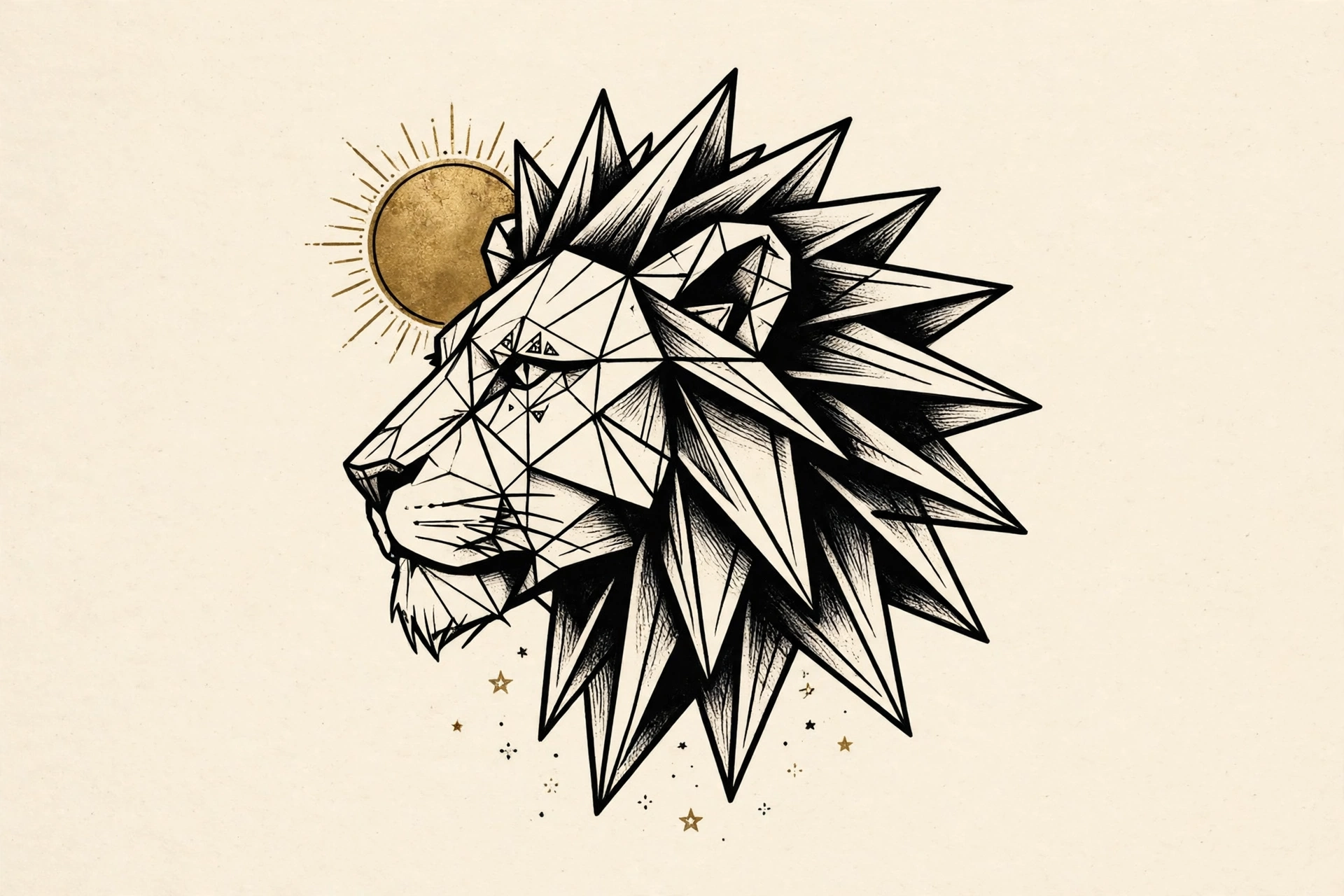
A forearm tattoo is a tattoo on the inner or outer forearm, usually 10–25 cm long. It suits someone who wants a visible, expressive piece with room for real detail — a portrait, a floral panel, a script, a constellation — on one of the lowest-pain, easiest-to-heal spots on the body.
Key takeaways
| What | What to expect |
|---|---|
| Size | 10-25 cm |
| Pain | 3.5-4.5/10 |
| Healing | 2-3 weeks |
| Fading | Slow — sun is the main fading risk |
Pain is a consensus range — artists and charts disagree on the exact number, so treat it as a range, not a measurement. Only a licensed artist who sees the design and the body part can give you a real quote.
The inner forearm is more personal and visible to the wearer, while the outer forearm is more visible to everyone else. Pain is similar on both sides, reported in the 3.5–4.5/10 range, so the choice is mostly about who you want to see the tattoo and how much sun it will get.
The inner forearm is the quieter side. It faces you when your arm hangs naturally, so a meaningful quote, a date, a portrait of someone you love or a design with personal symbolism sits well there. The skin is a little softer and the area is easier to protect from sun.
The outer forearm is the public side. It catches the eye in a short sleeve and shows off bold designs, colour work and larger panels. It also gets more sun, so fading is a little faster there than on the inner forearm, and sun protection matters more.
Many people end up using both. A design that wraps the forearm, or a pair of related designs on inner and outer sides, can tell a fuller story than either side alone. Talk to your artist about how the design will look when your arm turns, because a forearm tattoo is seen from many angles in a single day.
A forearm design needs room: detail needs about 8 cm before fine lines start to merge, so keep fine detail larger rather than smaller. The forearm gives you 10–25 cm to work with, which is enough for a proper panel, but only if you use the space rather than cramming a large idea into a small patch.
Lines spread slightly as a tattoo ages, and that is normal. A design with generous spacing between its lines will still read clearly years later, while a design with many thin lines packed together will soften into a grey blur. This is why artists often suggest going bigger than a client first imagines, especially for portraits, animals and detailed florals.
The taper of the forearm matters too. The arm narrows toward the wrist, so a design that is the same width all the way down can look stretched at the top or squeezed at the bottom. A good artist will shape the design to follow the arm, wider near the elbow and narrower near the wrist, so it looks natural from every angle.
Ask to see the stencil on your arm before the needle starts. Stand with your arm relaxed, turn it slowly, and check that the design reads well from the front, the side and the back. A design that only looks right from one angle will disappoint you every time you catch it in a mirror.
The forearm is one of the best first-tattoo spots: low pain, reported in the 3.5–4.5/10 range, easy healing in about 2–3 weeks, and easy to cover with a long sleeve when you need to. It is also a forgiving canvas, with enough space to get the design right.
A first tattoo is partly about learning how your body reacts. The forearm lets you learn that gently — the session is comfortable compared with bony spots, healing is straightforward because you can reach and see the tattoo easily, and you can watch how your skin holds ink over the following months.
It is also a visible commitment. Unlike a tattoo on the back or thigh, you will see a forearm tattoo every day, so choose a design you genuinely want to live with rather than one that feels fashionable this year. A design with personal meaning, or a style you have loved for a long time, is a safer first choice than a trend.
The main caution is sun. The forearm is often uncovered, and sun is the main fading risk here. Protect a new tattoo from sun while it heals, and use sun protection afterwards, and a forearm tattoo will age well — fading is slow on this placement compared with hands, fingers and feet.
The forearm's long, fairly flat shape suits vertical designs that follow the arm. Florals, script, portraits, animals, geometric panels and constellations all work, as long as the design is shaped to the arm rather than pasted onto it as a rectangle.
Floral designs are a natural fit, with stems and vines running up the arm and blooms placed where the arm is widest. Script also works well, especially on the inner forearm, where a line of text can follow the arm's length and be read by the wearer. Portraits and animals need the most space — give them the full width of the forearm and keep the detail bold.
Geometric and ornamental designs suit the forearm when they are built around the arm's shape rather than imposed on it. A mandala, a band or a pattern that wraps around the arm can look striking, but it needs careful placement so the pattern lines up where the arm curves.
Colour holds up well on the forearm because the skin is relatively thick and the area is easy to care for. Blackwork, fine line and realism all age reasonably here, which is why the forearm is a popular spot for a first large piece and for the start of a sleeve. If you think you may want a sleeve later, tell your artist now so the forearm piece leaves room to grow.

A vertical wildflower panel running up the outer forearm, with three blooms of different sizes and thin stems that follow the arm's natural taper.
A portrait of a loved one or a pet on the outer forearm, sized to use the full width of the arm so the face has room for real detail.
A line of script along the inner forearm in clean, well-spaced lettering, with a small symbol at one end, such as a star or a tiny bird.
A black-and-grey wolf or lion head on the outer forearm, using the widest part of the arm for the face and letting the fur taper toward the wrist.
A geometric mandala band wrapping around the forearm near the elbow, with a clear central shape and evenly spaced pattern lines.
A koi fish swimming up the forearm, with flowing fins and a few water ripples, using the length of the arm to show the fish in motion.
A compass rose on the outer forearm, with long north and south points following the arm and shorter east and west points across it.
A branch of cherry blossom draping down the inner forearm, with five or six blooms and a few falling petals scattered toward the wrist.
A realistic rose with leaves on the outer forearm, drawn large enough that each petal has its own shape and the shading has room to breathe.
A mountain landscape in a vertical panel, with layered peaks, a small moon and a few birds, using the forearm's length to create depth.
The forearm is one of the best places for a zodiac design because it finally gives the idea room to breathe. Instead of squeezing a single glyph into a few centimetres, you can combine your sign's symbol with its constellation, or place your sun, moon and rising signs together as a trio running down the arm. A constellation works particularly well here, its stars following the long, narrow shape of the forearm. In astrology, a birth chart is read as an interpretation of personality and timing based on the positions of the sun, moon and planets at birth, not as a fixed prediction, so choose the signs that matter to you.
Generate a design for this placement — your sign, your intention, your style. Free, no sign-up.
Size (Tiny to Extra Large) and style in, cost range out. Ranges are estimates — an artist quote wins.
12 placements: Wrist, Forearm, Upper Arm, Chest, Back, Ribs, Thigh, Ankle, Neck, Hand, Foot, Inner Arm. Shows pain range, healing and fading for the chosen spot. Ranges only — sources disagree, no single decimal is a fact.
Upload a photo and preview the same design with fading, blur and line-spread for 1, 10, 30 or 50 years, plus a longevity score with reasons. A visual estimate — not a prediction.
Upper arm tattoos: bicep and outer-arm ideas, pain 3-6/10 depending on inner vs outer, and how to leave room for a sleeve later.
Full sleeve tattoos: cost $2,000-$12,000, 15-50 hours over 4-8 sessions, ideas, and how to plan one piece instead of scattered tattoos.
Half sleeve tattoos: cost $800-$3,750, 8-15 hours, 2-4 sittings. Upper vs lower half sleeve, ideas, and how to extend to full later.
Yes — low pain, easy healing, easy to cover. It is one of the best first-tattoo spots.
Inner is more personal and visible to the wearer; outer is more visible to others. Pain is similar, in the 3.5-4.5/10 range.
Detail needs about 8 cm before lines merge. Keep fine detail larger, not smaller.
Yes, usually. Forearm pain is reported in the 3.5–4.5/10 range, while wrist pain is reported in the 5.5–6/10 range. The forearm has more flesh and muscle over the bone, which makes the session more comfortable.
Keep it covered or protected from sun while it heals, for about 2–3 weeks, and use sun protection afterwards when it will be uncovered. Sun is the main fading risk on the forearm, and a tattoo that is protected will keep its lines and colour noticeably longer.
Yes — the forearm is a natural sleeve starter. Tell your artist before you begin so the design leaves room to extend toward the upper arm and shoulder, and so the style and theme can grow into a full sleeve later.
AI designs are for inspiration only. Always consult a licensed tattoo artist. This page does not provide medical advice. Last reviewed: 24 November 2026.