AI Tattoo Generator
Generate a design for this placement — your sign, your intention, your style. Free, no sign-up.
upper arm tattoos
Upper arm tattoos: bicep and outer-arm ideas, pain 3-6/10 depending on inner vs outer, and how to leave room for a sleeve later.
Generate a design for this placement →
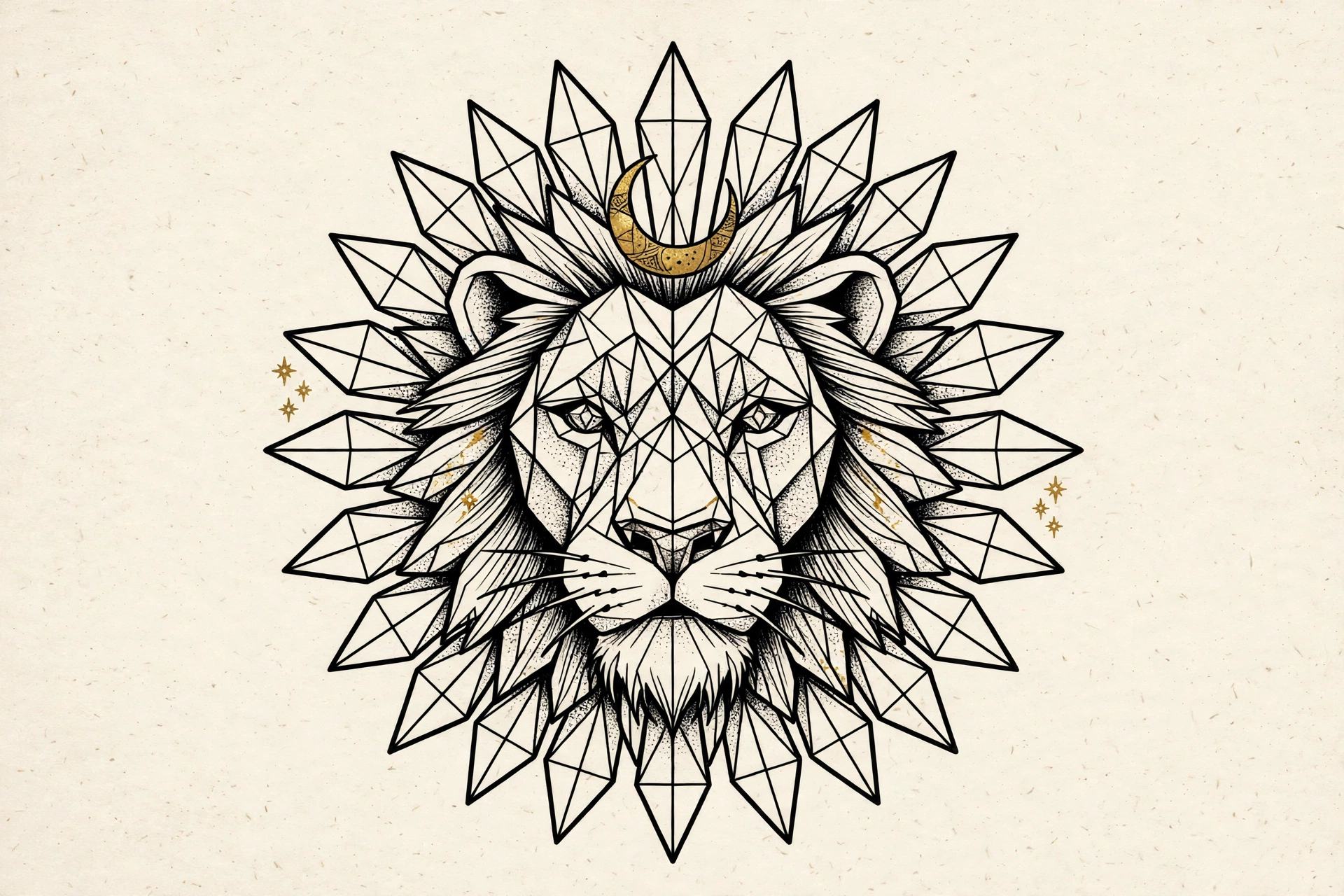
An upper arm tattoo sits on the bicep or outer upper arm, usually 10–20 cm across. It suits someone who wants a substantial, good-looking piece — a portrait, an animal, a bold floral panel — on one of the best-aging spots on the body, with low pain on the outer arm and easy cover.
Key takeaways
| What | What to expect |
|---|---|
| Size | 10-20 cm |
| Pain | 3-6/10 (outer ~3, inner bicep ~6) |
| Healing | 2-3 weeks |
| Fading | Slowest — one of the best-aging spots |
Pain is a consensus range — artists and charts disagree on the exact number, so treat it as a range, not a measurement. Only a licensed artist who sees the design and the body part can give you a real quote.
The outer upper arm is low pain and suits bold, visible designs, while the inner bicep is sharper and suits script and more personal pieces. Outer-arm pain is low, while inner-bicep pain is reported as sharper, so the two sides of the same arm feel quite different.
The outer arm is the workhorse of tattoo placements. The skin is thicker, the muscle underneath cushions the needle, and the flat surface suits portraits, animals, florals and large panels. It is also one of the slowest-fading spots on the body, especially when it is covered by a sleeve for much of the day.
The inner bicep is a different experience. The skin is softer and more sensitive, the area moves when you bend your arm, and the pain is noticeably sharper. It suits designs that are meant to be seen up close — a line of script, a date, a small personal symbol — rather than a large showpiece.
Think about how you move before you choose. A design on the inner bicep will stretch and fold as your arm bends, so lettering needs generous spacing and simple shapes hold up better than dense detail. A design on the outer arm stays flatter and more stable, which is one reason it ages so well.
At 10–20 cm the upper arm has room for a real panel: a portrait, an animal head, a floral arrangement or a scene with depth. The key is to use the width of the arm, not just its length, and to keep the design bold enough to read from a normal distance.
Portraits and realism shine on the outer upper arm because the flat, stable surface lets the artist build shading gradually and the design does not distort much when you move. An animal head — a lion, a wolf, an eagle — can use the full width of the arm, with the face centred where the muscle is fullest.
Floral designs work well when they are built around the arm's curve rather than laid flat on it. A rose, a peony or a branch of blossom can wrap slightly around the arm, with leaves and stems filling the space naturally. Script suits the inner bicep, where a single line of text can follow the arm and be read by someone standing close.
Avoid a design that is too small for the space. A tiny tattoo in the middle of the bicep can look lost, and it leaves awkward gaps if you later want a larger piece. If you want something small, place it deliberately — near the shoulder, near the elbow, or as part of a planned arrangement — rather than dropping it in the centre with no plan.
The upper arm is one of the slowest-fading spots on the body, especially the outer arm. It is usually covered by clothing, protected from sun, and the skin is thick and stable, so lines and colour hold up better here than on the hands, feet or wrist.
Sun is the main cause of fading on most placements, and the upper arm simply gets less of it. A short sleeve covers the outer arm for much of the day, and a long sleeve covers it completely, so the ink is protected without any extra effort. That alone makes a big difference over years.
The skin itself helps too. The upper arm does not stretch and fold as much as the stomach or the inner arm, and it is not rubbed by shoes, watches or hand washing. A tattoo here sits on a stable canvas, which is why artists often recommend the upper arm for a first large piece or for a design you want to keep for decades.
Aftercare is straightforward. Healing takes about 2–3 weeks, the area is easy to reach and moisturise, and you can protect it from sun while it heals simply by wearing a sleeve. The result is a tattoo that usually needs fewer touch-ups than the same design would on a wrist or a finger.
An upper arm tattoo can be a beautiful standalone piece or the first step toward a sleeve — but only if you plan for it. A tiny tattoo dropped in the middle of the bicep, with no thought for what goes around it, makes a sleeve much harder to design later.
If a sleeve is even a possibility, tell your artist before the first line is drawn. They can place the design so that it leaves room to grow — toward the shoulder above and the forearm below — and choose a style and theme that can extend naturally. A portrait can gain a background, a floral panel can grow more blooms, an animal can gain a landscape.
The alternative is to commit to a standalone piece and enjoy it as it is. There is nothing wrong with a single upper arm tattoo that was never meant to become a sleeve, as long as that was the plan from the start. The problem only comes when a small, isolated design sits in the middle of the arm and a sleeve has to be built awkwardly around it.
Either way, the decision is about placement and scale, not about the design itself. A design you love can work as a standalone piece or as a sleeve starter — what changes is where it sits on the arm and how much space is left around it.

A realistic lion's face on the outer upper arm, using the full width of the bicep so the mane has room for layered shading and the eyes have real depth.
A large peony with leaves wrapping slightly around the outer arm, in soft pinks and greens, with the bloom centred where the muscle is fullest.
A portrait of a loved one on the outer upper arm, sized to use the whole panel so the face is not cramped and the shading can be built gradually.
A line of script along the inner bicep in clean, well-spaced lettering, with a small symbol at one end, such as a tiny star or a date.
A black-and-grey eagle with spread wings on the outer arm, the wings following the curve of the bicep and the head turned to one side.
A koi fish and water ripples on the outer upper arm, using the arm's width to show the fish's body curving naturally.
A compass and map fragment on the outer arm, with a bold compass rose and a few contour lines suggesting a landscape beneath it.
A snake coiled around the upper arm, drawn as a single flowing form with clear scales, wrapping once so it reads as a band rather than a tangle.
A floral half-panel of roses and leaves on the outer arm, leaving the lower half of the arm clear so the design has a deliberate edge.
A geometric animal — a stag or a wolf built from clean lines and shapes — on the outer upper arm, bold enough to read from across a room.
The upper arm gives a zodiac design the space to become a proper illustration rather than a tiny symbol. On the outer arm, a zodiac animal — a ram for Aries, a bull for Taurus, a lion for Leo, a scorpion for Scorpio — can be drawn at a size where its features have real detail, The inner bicep suits a quieter approach: a sign glyph paired with its constellation, In astrology, a sign is read as an interpretation of personality and timing, not as a fixed prediction, so choose the animal or symbol that feels like yours and let the artist give it the size it deserves.
Generate a design for this placement — your sign, your intention, your style. Free, no sign-up.
Size (Tiny to Extra Large) and style in, cost range out. Ranges are estimates — an artist quote wins.
12 placements: Wrist, Forearm, Upper Arm, Chest, Back, Ribs, Thigh, Ankle, Neck, Hand, Foot, Inner Arm. Shows pain range, healing and fading for the chosen spot. Ranges only — sources disagree, no single decimal is a fact.
Full sleeve tattoos: cost $2,000-$12,000, 15-50 hours over 4-8 sessions, ideas, and how to plan one piece instead of scattered tattoos.
Half sleeve tattoos: cost $800-$3,750, 8-15 hours, 2-4 sittings. Upper vs lower half sleeve, ideas, and how to extend to full later.
Shoulder tattoos: cap vs blade ideas, pain 3.5-4/10, healing 3-4 weeks. Round designs for the cap, draped designs for the blade.
Outer arm is low pain, around 3/10. Inner bicep is sharper, around 6/10.
Yes — upper arm is one of the slowest-fading spots, especially the outer arm.
Yes, but plan for it. Do not drop a tiny tattoo mid-bicep if a sleeve is planned.
Healing takes about 2–3 weeks for most upper arm tattoos. Keep it clean and moisturised following your artist's guidance, protect it from sun while it heals, and avoid tight sleeves that rub the fresh tattoo.
Yes — the outer upper arm is a good spot for colour because the skin is thick and stable, the area is usually protected from sun by clothing, and fading is slow here. Colour will still soften over years, but it generally holds up better here than on the wrist or hand.
Some change is possible if your arm size changes a lot, but a well-placed design on the outer arm usually handles normal muscle gain well. Tell your artist if you are actively training, and avoid placing fine detail where the muscle moves the most.
AI designs are for inspiration only. Always consult a licensed tattoo artist. This page does not provide medical advice. Last reviewed: 24 November 2026.