Tattoo Cost Estimator
Size (Tiny to Extra Large) and style in, cost range out. Ranges are estimates — an artist quote wins. A 20% tip is shown separately.
upper arm tattoo ideas · Upper Arm Tattoos
Upper arm tattoo ideas for men and women: portraits, geometric panels, florals and glyphs. Pain, sizing and what ages best.
The upper arm is the arm's largest flat canvas, and the best upper arm tattoo ideas use that size properly: portraits, geometric panels, large animals, floral wraps, glyphs with constellations — designs smaller placements cannot hold. The outer arm is also low-pain at around a 3/10 consensus range, so a big piece here is far easier to sit through.
This page sits under Upper Arm Tattoos.
Key takeaways
| What | What to expect |
|---|---|
| Size | 10-20 cm |
| Pain | 4/10 overall; outer 3/10, inner bicep 6/10 (consensus ranges, sources disagree) |
| Healing | 2-3 weeks |
| Fading | Slowest |
Pain is a consensus range — artists and charts disagree on the exact number, so treat it as a range, not a measurement. Only a licensed artist who sees the design and the body part can give you a real quote.
An upper arm tattoo idea works when it uses the arm's size: 10-20 cm of flat skin that takes portraits, geometric panels, large animals and floral wraps. Small, fiddly designs waste the canvas — the upper arm is where big ideas belong, and big ideas age better here than small ones do.
Judge every idea against the space. The outer upper arm is a wide, flat panel from shoulder to mid-bicep, and a design that fills it reads as intentional. A design that sits small in the middle of that panel looks like a sticker — not because small tattoos are bad, but because the arm makes them look accidental.
Size is also what protects the detail. A portrait needs room for the features to stay readable; a geometric panel needs room for the pattern to breathe; a floral needs blooms large enough that the petals do not close up as the ink ages. On the upper arm, you can give a design that room. On a wrist, you cannot.
The difference between men's and women's upper arm tattoos is mostly a trend, not a rule: bold blackwork and portraits are the most popular choices for men, fine-line florals and script for women. The best design fits your taste and your arm.
Upper arm ideas fall into four groups: portrait, geometric, floral and zodiac. Portrait means a face or figure with room to breathe. Geometric means a panel built to the muscle. Floral means a wrap from shoulder to mid-bicep. Zodiac means a glyph with its constellation or element.
Portrait is the upper arm's speciality. A face, a pet, a figure — all of them need the arm's room for the features to stay readable, and the low pain lets you sit for the long sessions realism demands. A portrait squeezed onto a wrist would blur; on the upper arm, it holds.
Geometric suits the arm because the muscle gives the pattern a shape to follow. A large panel from shoulder to mid-bicep, built to the curve of the bicep, reads as intentional in a way a flat geometric design cannot. Blackwork and dotwork suit this group best.
Floral and zodiac complete the set. A floral wrap — roses or peonies running down the arm — follows the muscle's natural line. A zodiac design works as a glyph with its constellation in fine dots, or a glyph with its element: flame, wave, leaf or breeze. In traditional astrology these are symbols of how you see yourself, an interpretation for self-expression, not a prediction about your life.
The outer upper arm is low-pain at around a 3/10 consensus range, the inner bicep is sharper at around 6/10, and the difference decides where your design should sit. Keep the main design on the outer arm, let it simplify before it crosses inward, and leave room if a sleeve is in your future.
Pain on the upper arm is a tale of two sides. The outer arm is one of the calmest placements on the body — flat, with muscle underneath, at around a 3/10 consensus range. A large piece here is one of the easiest big tattoos to sit through, and long sessions are comfortable.
The inner bicep is different: thinner, more sensitive skin, closer to the nerves of the arm, at around a 6/10 consensus range. Script on the inner bicep, the classic placement for it, hurts more than the same script on the outer arm — still moderate, but noticeably sharper.
Leave room if a sleeve is in your future: do not drop a tiny tattoo in the middle of the bicep and expect to build a sleeve around it. Either commit to a panel now, or place the small piece toward the shoulder.
An upper arm tattoo ages well — fading is the slowest anywhere, and large pieces age better than small ones because the detail has room to survive. The outer arm is covered by sleeves most of the year, the skin is thick, and it moves less than a hand or wrist. Expect a touch-up after many years, not a rewrite.
The upper arm is the slowest-fading placement on the body. Clothing protects it from the sun for most of the year, and the thick skin holds ink well. A line that is generous at 15 cm stays readable for a decade, while the same line at 5 cm would blur. That is the arm's rule, and it is why artists put the detail here.
The inner arm is the exception. The skin there is thinner and moves more when you bend your elbow, so a design that wraps inward will age faster on its inner edge. Keep the detail on the outer arm, where it is protected, and let the design simplify as it approaches the inner side.
Sunscreen still matters once healed, especially in summer when the arm shows. The usual aftercare applies: loose sleeves while it heals, no soaking until the skin has closed, and no heavy gym work while the skin is fresh. This is general information, not medical advice — see a healthcare professional if the skin is not healing, if a rash appears, or if you develop a fever.
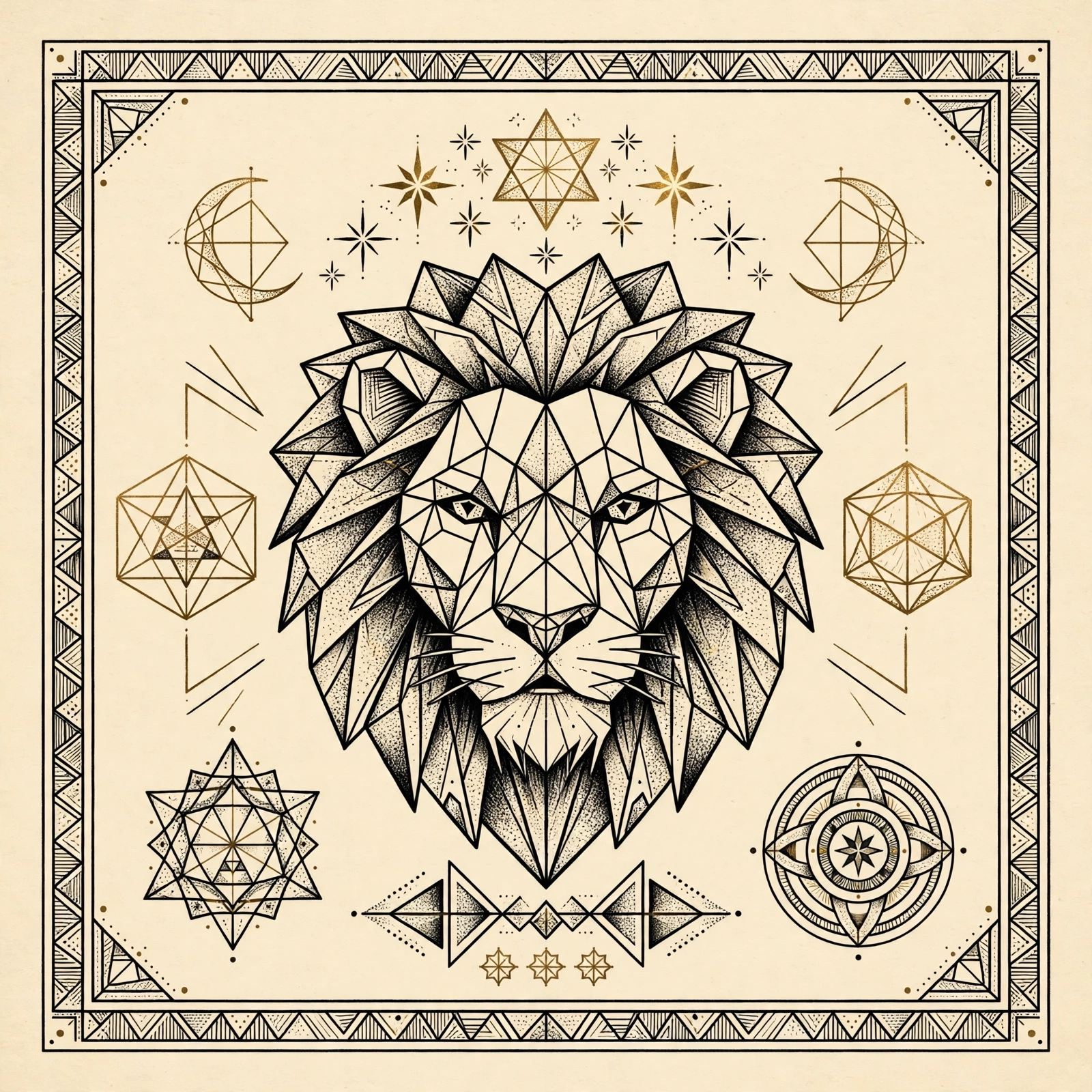
A portrait in black and grey on the outer upper arm — a face, a pet, a figure — sized so the features stay clear as the ink ages.
A large geometric panel from shoulder to mid-bicep, blackwork with gold accents, built to the shape of the muscle.
A zodiac animal in realism on the outer arm: a lion, a ram, a scorpion, with room for the shading the animal needs.
A floral wrap for women: roses or peonies running from the shoulder down the arm, in fine-line blackwork with gold accents.
A glyph with its constellation in fine dots on the outer upper arm, kept bold enough to read at a glance.
A traditional American design: a bold eagle, a rose, or a dagger with thick lines and solid colour that age well.
A mandala centred on the outer bicep, dotwork shading with a gold centre point, sized 10-15 cm.
A snake coiling around the upper arm in fine black line, following the muscle's natural curve.
A memorial design for men or women: a portrait with a name, a date and a birth flower, sized large enough that every element stays readable.
A Sun+Moon+Rising trio in a short row across the outer bicep — in traditional astrology a personal sequence, not a prediction.
Plan the numbers properly: try the Cost Estimator for a size-and-style estimate, and read the Placement Pain Guide before you pick a spot. Only a licensed artist who sees the design and the body part can give you a real quote.
See also: Tattoo Generator · Tattoo Placement Pain Guide · Birth Chart Generator.
The generator reads your birth date, your intention and your style, so the design it makes is yours, not a copy of someone else's.
Size (Tiny to Extra Large) and style in, cost range out. Ranges are estimates — an artist quote wins. A 20% tip is shown separately.
All 23 placements from our placement guides — pick a spot, optionally compare a second one, and see its pain range, healing time, fading and size guidance, quoted from the same guide data, with a link to the full placement guide. Ranges only — sources disagree, no single decimal is a fact.
Two sun signs in, an honest reading out — no invented percentages. The tool compares the two signs' elements and ruling planets, tells you where the pairing clicks and where it rubs, and turns it into a matching-tattoo idea with links to both sign guides.
Your Sun, Moon and Rising signs from your birth date and time — all three computed in your browser, with the Moon and Rising honestly labelled approximate. Each sign comes with a short traditional reading and a tattoo angle, plus links to its sign guide and to the wheel and fusion tools.
See the full list on the Upper Arm Tattoos main page.
Bicep tattoos: the calmest large canvas on the body. Sizing, pain, styles, and how to leave room for a sleeve later.
Inner bicep script tattoos: choosing words, fonts and sizes that stay readable on the inner arm. Quotes, names, dates and what to avoid.
Outer upper arm tattoos: the lowest-pain large canvas. Styles, sizing, healing and why it is ideal for a first big piece.
The best designs use the arm's size: a portrait, a geometric panel, a large animal, a floral wrap, or a glyph with its constellation. The upper arm is a large, flat canvas, so anything that needs room belongs here — and anything small and fiddly belongs somewhere else.
The outer upper arm sits around a 3/10 consensus range — one of the calmest placements. The inner bicep is sharper, around 6/10. A design kept on the outer arm is one of the easiest large tattoos to sit through.
For men, bold blackwork, geometric panels, portraits and traditional designs are the most popular upper-arm choices. For women, fine-line florals, ornamental panels and script are the most popular. Those are trends, not rules — the best design is the one that fits your taste and your arm.
Most upper arm pieces are 10-20 cm. A single small design can sit smaller, but the arm rewards size: a palm-sized piece looks deliberate, and a full shoulder-to-mid-bicep panel uses the canvas properly. Measure your own arm and size the design to it.
About 2-3 weeks. The upper arm heals well — it is easy to reach, easy to keep clean, and the skin is thick. Loose sleeves and gentle washing are usually all it needs.
Fading is slowest on the upper arm. It is covered most of the time, the skin is thick, and it moves less than a hand or wrist. Fine detail needs size to survive, which is why large pieces age better than small ones here.
AI designs are for inspiration only. Always consult a licensed tattoo artist. Astrology on this site is for inspiration and self-expression. This page does not provide medical advice. Last reviewed: 24 November 2026.