AI Tattoo Generator
Generate a design for this placement — your sign, your intention, your style. Free, no sign-up.
foot tattoos
Foot tattoos: top-of-foot floral and script ideas, pain 7.5/10, healing 3-5 weeks. High pain, almost no padding, shoe friction fades it faster.
Generate a design for this placement →
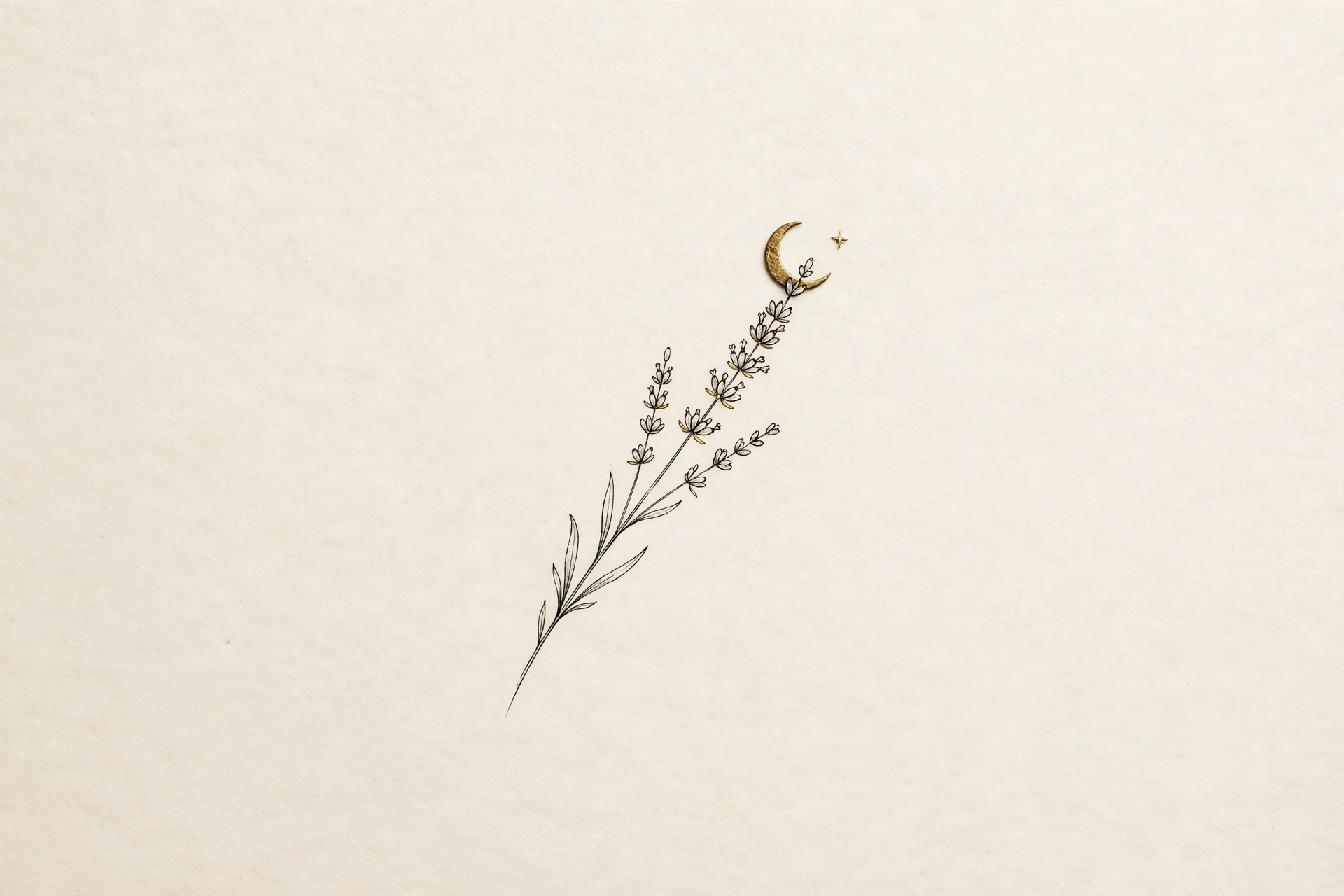
A foot tattoo is a design inked on the top or side of the foot, typically 5–12 cm. It suits small, bold pieces — top-of-foot florals and side-foot script — but it is one of the more painful placements, reported at 7.5/10, because there is almost no padding over the bones.
Key takeaways
| What | What to expect |
|---|---|
| Size | 5-12 cm |
| Pain | 7.5/10 |
| Healing | 3-5 weeks |
| Fading | Fast — shoe friction |
Pain is a consensus range — artists and charts disagree on the exact number, so treat it as a range, not a measurement. Only a licensed artist who sees the design and the body part can give you a real quote.
Foot tattoos are reported at 7.5/10, firmly in high-pain territory. The top of the foot is mostly skin over bone and tendon, with almost no padding, so the needle's vibration is felt directly on the bone — and the foot is a sensitive area.
The top of the foot has almost nothing between the needle and the bone. There is a thin layer of skin, some tendons and then the long bones of the foot, with no muscle or fat to cushion the work. The vibration of the needle travels straight into the bone, which is why the top of the foot is consistently rated as one of the more painful places to be tattooed.
The foot is also a sensitive area in general. It is full of nerve endings and tendons close to the surface, and it is not used to being touched firmly, let alone tattooed — so even people with several tattoos are often surprised by how much a foot tattoo hurts. The side of the foot, where there is a little more tissue, is usually a touch easier than the very top, but the difference is small.
Sessions are best kept short. A 5–12 cm foot piece does not need a long sitting, and a good artist will work efficiently and offer breaks, because the pain is intense rather than long-lasting. Plan your day around it: wear open shoes to the appointment, arrange a lift home if you can, and expect walking to be uncomfortable for the first few days.
Small and simple is the rule on the foot. Top-of-foot florals that follow the foot's shape and side-foot script both work well at 5–12 cm, while dense detail and fine lines soften quickly on skin that flexes and rubs with every step.
A top-of-foot floral is the foot's classic design. A mandala, lotus or small bouquet can spread across the top of the foot, following its shape from the ankle toward the toes, and the foot's natural arch gives the design a pleasing symmetry. The key is keeping the shapes bold and open — large petals and clear gaps between elements — rather than dense, fiddly detail that will close up as the tattoo ages.
Side-foot script is the other proven choice. A single word, a short phrase or a date running along the side of the foot is discreet, elegant and easy to read, and the side of the foot is flatter and less rubbed than the top. Keep the lettering clean and large enough to stay legible: script that is too small will blur into an unreadable line sooner than you expect.
What does not work on the foot is dense detail. A realistic portrait, a complex scene or fine geometric work all depend on crisp, tiny lines — and the foot's constant flexing, combined with shoe friction, is exactly what softens those lines. Choose a design with bold shapes and breathing room, and it will still be readable years later.
Foot tattoos take 3–5 weeks to heal, and healing is fiddly because you walk on your feet all day. Shoes, socks and showering are all harder while it heals, so plan for open footwear, keeping the tattoo clean and dry, and giving it as much air as you can.
Healing a foot tattoo takes around 3–5 weeks, and it is awkward because you cannot simply rest the area the way you can with a thigh or arm. You walk on your feet all day, and every step flexes the fresh tattoo, presses it against a shoe and exposes it to dust and sweat. That is why foot tattoos are often described as fiddly to heal, even though the tattoo itself is small.
Footwear is the main thing to plan. Open shoes or sandals that clear the tattoo are the best choice while it heals, and closed shoes should be avoided until the skin has settled. If closed shoes are unavoidable, wear the loosest pair you own, clean socks, and take the shoes off as soon as you can. Showering is also harder: keep the tattoo clean, but do not soak it in a bath or pool, and pat it dry gently instead of rubbing it.
Give your feet as much rest and air as you reasonably can in the first week. Rest with the foot raised when you have the chance, keep walking to what is necessary, and avoid long days on your feet or standing for hours until the tattoo has settled. Follow your artist's aftercare instructions closely — foot tattoos punish careless aftercare more than most placements.
Fading is fast on the foot because shoes rub the spot every day and the skin flexes constantly. Expect a foot tattoo to soften sooner than one on the thigh or calf, and keep the design bold and simple from the start if you want it to stay readable.
Shoes are the foot tattoo's biggest enemy. Every step presses a shoe against the tattoo, and socks slide over it thousands of times a day — and that daily friction is what makes fading fast here. A design on the outer thigh, which spends most of its life untouched, can stay crisp for years; the same design on the foot will soften noticeably sooner.
The skin itself works against the tattoo too. The foot flexes with every step, stretching and creasing the skin over the bones and tendons, and that constant movement gradually breaks up fine lines. This is why bold, simple designs are the rule on the foot: a thick line survives flexing and friction far better than a hairline, and a simple shape stays recognisable long after its fine details have softened.
Touch-ups are a normal part of owning a foot tattoo, and you should go into it expecting one at some point rather than being disappointed when the lines soften. Protect the healed tattoo from the sun when it is exposed in sandals, keep the design bold from the start, and accept that a foot tattoo is a placement you maintain, not one you forget about.
The top of the foot is the showpiece spot — visible in sandals and ideal for florals that spread across the foot — while the side suits script and small motifs that stay hidden in most shoes. Both fade fast from friction, so the choice is mostly about how visible you want the tattoo to be.
The top of the foot is where a foot tattoo gets seen. In sandals, barefoot at home or on a beach, a top-of-foot floral or mandala is on full display, and the broad, gently curved surface suits designs that spread out — petals reaching toward the toes, a mandala centred over the arch. It is also the most painful part of the foot, and the most rubbed by shoe uppers, so it is a trade-off between visibility and wear.
The side of the foot is the discreet option. A line of script or a small motif along the side stays hidden in most shoes and appears only when you choose to show it, and the side is a little less painful and a little less rubbed than the top. It suits words, dates and small symbols — designs that are personal rather than decorative, and that do not need a large canvas.
Both spots fade fast from friction, so neither is a low-maintenance choice. Pick the top if you want the tattoo to be seen and are happy to maintain it, and pick the side if you want something private and a little easier to live with. Either way, keep the design bold and simple, and plan for a touch-up further down the line.
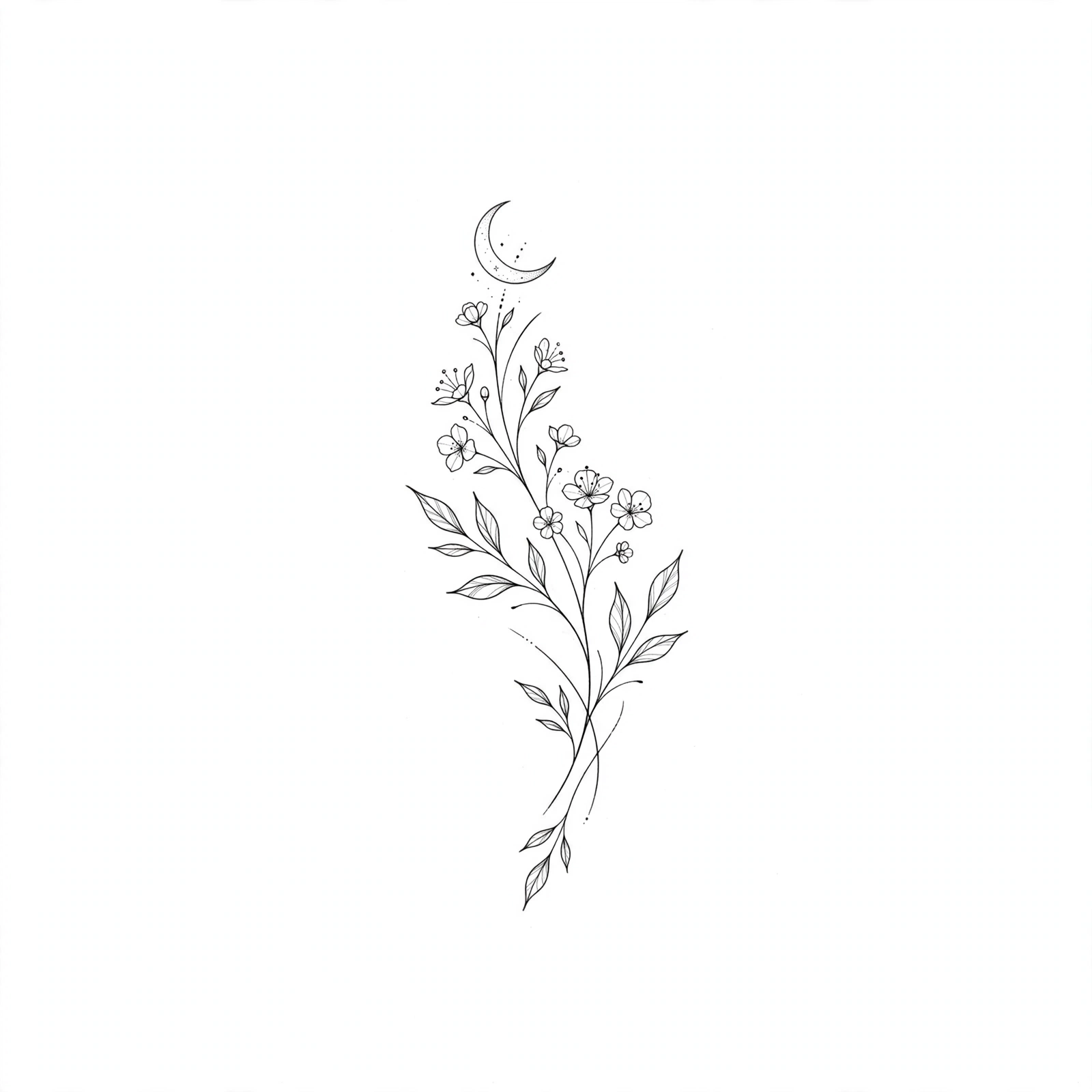
A mandala spreading across the top of the foot, with its centre over the arch and petals reaching toward the toes.
A single line of script along the side of the foot, with a short word or date in a clean font.
A small lotus blooming on the top of the foot, with petals following the foot's curve.
A vine trailing from the ankle across the top of the foot, with small leaves along its length.
A butterfly resting on the top of the foot, its wings spread across the widest part.
A trail of tiny stars running from the ankle down the side of the foot.
A compass rose on the top of the foot, small and bold, with its points reaching toward the toes.
An ornamental henna-style pattern across the top of the foot, with flowing curves and dots.
A small snake winding along the side of the foot, from heel toward the toes.
The foot suits one kind of zodiac design: a small, bold glyph. A single sign symbol, a tiny crescent moon or a small star fits the 5–12 cm space and stays readable where fine detail would soften, and the side of the foot is a neat, discreet spot for it. A full constellation or a birth-chart wheel is too much for this placement — the foot's constant flexing and shoe friction punish fine lines, so anything with many small elements will soften quickly. Keep it to one symbol, drawn boldly, and treat it as a personal decorative nod to your sign rather than a prediction.
Generate a design for this placement — your sign, your intention, your style. Free, no sign-up.
Size (Tiny to Extra Large) and style in, cost range out. Ranges are estimates — an artist quote wins.
12 placements: Wrist, Forearm, Upper Arm, Chest, Back, Ribs, Thigh, Ankle, Neck, Hand, Foot, Inner Arm. Shows pain range, healing and fading for the chosen spot. Ranges only — sources disagree, no single decimal is a fact.
Ankle tattoos: delicate band and small floral ideas, pain 6.5-7/10, healing 2-4 weeks. High pain — bone, almost no padding, shoe friction slows healing.
Yes — high pain, reported 7.5/10. Almost no padding.
Shoe friction, showering and shoes are harder while it heals. Healing takes 3-5 weeks.
Small and simple. Top-of-foot floral and side-foot script work best.
You can walk, but expect it to be uncomfortable for the first few days, and keep walking to what is necessary while the skin is fresh. Rest with the foot raised when you can, and avoid long walks or standing all day until it settles.
Wait until the tattoo has settled, which takes around 3–5 weeks, and only wear closed shoes that do not press or rub the tattoo. Open footwear that clears the design is the safest choice while it heals.
Yes, fading is fast on the foot because of daily shoe friction and the skin flexing with every step. Bold, simple designs hold up best, and a touch-up later on can sharpen lines that have softened.
AI designs are for inspiration only. Always consult a licensed tattoo artist. This page does not provide medical advice. Last reviewed: 24 November 2026.