Tattoo Cost Estimator
Size (Tiny to Extra Large) and style in, cost range out. Ranges are estimates — an artist quote wins. A 20% tip is shown separately.
gemini small tattoo ideas · May 21–Jun 20 · Air sign · Ruled by Mercury
13 small Gemini tattoo ideas with sizes in cm, top spots and fading notes. Mercury glyphs, feathers and tiny twins that stay readable.
Size is the whole question with a small Gemini tattoo. The sign is a pair, and pairs need room: two stars, two faces, two birds. Squeeze them small and they merge. This page gives you 13 small Gemini tattoo ideas, ordered from the tiniest marks that read at two centimetres up to the twin designs that need five, each with the spot it suits and honest notes on what blurs and fades.
This page sits under Gemini tattoo ideas and zodiac tattoo ideas.
Key takeaways
Two centimetres is the floor. At that size only one mark works: the Mercury glyph, a circle with horns and a cross, two shapes that read at a glance. It sits neatly on the inner wrist, behind the ear or on the ankle, and in solid black it ages slowly. Three to four centimetres opens up the feather. The barbs need that room to stay apart; squeeze a feather smaller and it becomes a smudge. Four to five centimetres is where the twins live. A twin-star pair, a pair of faces in profile, a pair of mirrored birds: all of them need that width, because the gap between the two halves is what makes them twins. Below five centimetres, pick one half and let it stand for both. One mark, one meaning: a glyph for Mercury, a feather for the mind, a pair of stars for the twins.
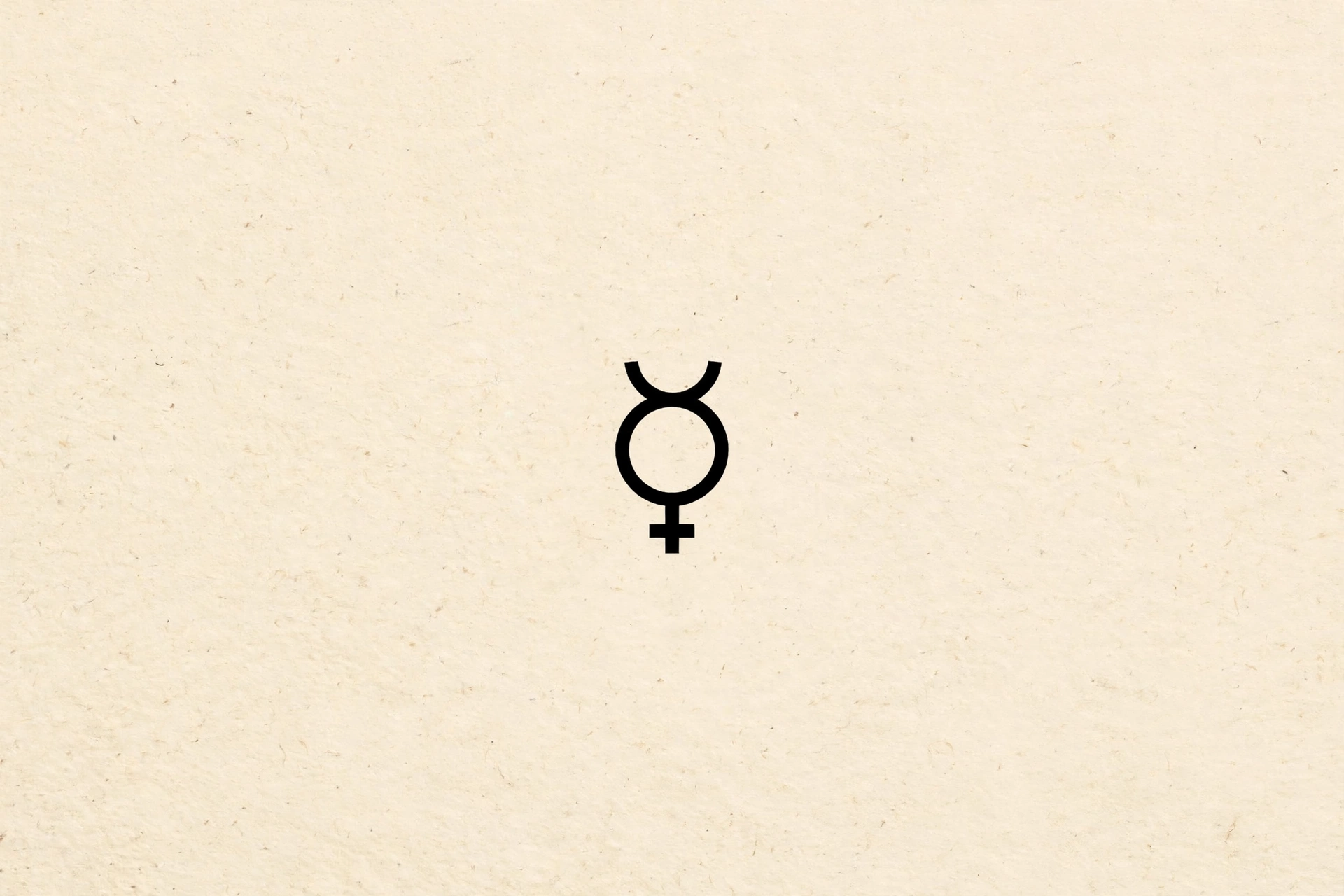

Two centimetres, inner wrist: a Mercury glyph in solid black, a private mark under a watch strap.
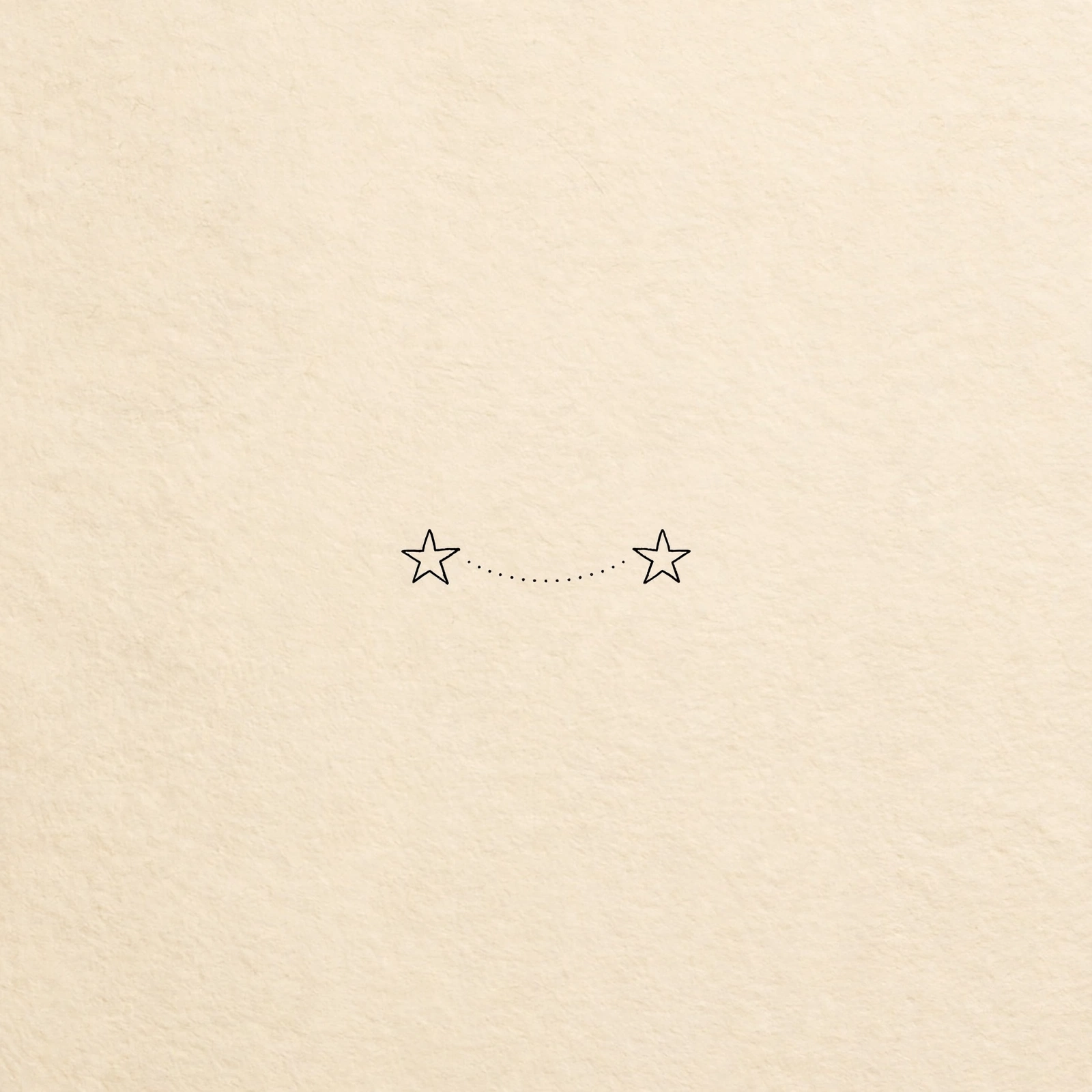
Two to three centimetres, behind the ear: a tiny twin-star pair in fine black line, hidden under hair.
Three centimetres, collarbone: a small feather in sky blue, easy to show or cover.
Three to four centimetres, wrist: a single feather in fine black line, barbs left open so they stay separate.
One to two centimetres, side of a finger: a tiny Mercury glyph, the smallest Gemini mark that reads, and the fastest to fade.
Four centimetres, ankle: a minimal twin-star pair, clean black dots and lines that stay readable.
Four to five centimetres, forearm: a small Gemini constellation, five stars joined by fine lines.
Four centimetres, ankle: a geometric twin-bird pair, clean black angles that stay readable for years.
Three centimetres, back of the neck: a fine-line Mercury glyph, hiding under a collar at work.
Three to four centimetres, ribcage: a minimal pair of twin stars, a private mark.
Four to five centimetres, forearm: a tiny pair of twin faces in profile, one in black and one in sky blue.
Five centimetres, shoulder blade: a small pair of mirrored twin birds, the wings following the bone.
Two to three centimetres, arch of the foot: a Mercury glyph, a hidden mark, keep it simple because feet fade fast.
Fine-line minimal is the first choice for small Gemini work: a Mercury glyph in a single fine black line reads clean at two centimetres, and a tiny feather holds its barbs on the wrist. Thin lines spread with age, so the glyph must be bold enough to see from arm's length on day one. Blackwork geometric is stronger at four or five centimetres: a twin-star pair or a pair of mirrored birds built from straight angles still reads in ten years. Dotwork can add texture to a small feather, a few dots for soft shading, yet it should stay an accent. Grey wash turns to a pale smudge at small sizes, white ink fades fast, and micro-realism has no room for two faces at four centimetres.
| Style | Best size | What to ask your artist |
|---|---|---|
| Fine-line minimal | 2–3 cm | One clean line suits the glyph and the feather on the wrist. |
| Blackwork geometric | 4–5 cm | Straight angles keep a twin pair readable for a decade. |
| Dotwork accent | 3–4 cm | A few dots for soft shading on a feather, never the whole piece. |
Let the size pick the spot. Two centimetres fits the inner wrist, behind the ear or the side of a finger, all flat and small. Three to four centimetres fits the wrist, the collarbone or the back of the neck. Four to five centimetres fits the forearm or the ankle, where a twin pair has room to breathe. The forearm heals the most calmly, flat skin, easy to watch. Behind the ear hides under hair but fades sooner, because the skin is thin and hair products reach it. The ankle takes a twin pair, yet shoes rub it while it heals. A finger takes the tiniest glyph, but fingers fade fastest of all.
A small piece is a short session, usually under an hour, and most shops charge their minimum either way, so a two-centimetre glyph and a four-centimetre feather can cost close to the same amount. The forearm and outer upper arm feel steadier, with thicker skin and more flesh under the needle. The inner wrist and ankle sting more, thin skin over bone, and the ribs sting most. Healing takes about two to four weeks: keep the piece clean, keep it out of the sun, and let your artist look at it once it has settled. Yellow ink fades sooner than black, so a yellow star on the wrist will want sunscreen once healed.
Plan the numbers properly: try the Cost Estimator for a size-and-style estimate, and read the Placement Pain Guide before you pick a spot. Only a licensed artist who sees the design and the body part can give you a real quote.
See also: tattoo cost estimator · tattoo placement pain guide.
Twins are the trap in small Gemini work. Two faces, two stars or two birds squeezed into three centimetres will merge into one shape within a year, because the lines spread and the gap between them closes. If you want twins, give them five centimetres or more, or pick one star and let it stand for both.
Once the size and the spot are settled, try the design on your own chart. The generator builds one from your birth date, so you can see it before you book: /tattoo-generator/.
The generator reads your birth date, your intention and your style, so the design it makes is yours, not a copy of someone else's.
Size (Tiny to Extra Large) and style in, cost range out. Ranges are estimates — an artist quote wins. A 20% tip is shown separately.
All 23 placements from our placement guides — pick a spot, optionally compare a second one, and see its pain range, healing time, fading and size guidance, quoted from the same guide data, with a link to the full placement guide. Ranges only — sources disagree, no single decimal is a fact.
Two sun signs in, an honest reading out — no invented percentages. The tool compares the two signs' elements and ruling planets, tells you where the pairing clicks and where it rubs, and turns it into a matching-tattoo idea with links to both sign guides.
Your Sun, Moon and Rising signs from your birth date and time — all three computed in your browser, with the Moon and Rising honestly labelled approximate. Each sign comes with a short traditional reading and a tattoo angle, plus links to its sign guide and to the wheel and fusion tools.
See the full list on the Gemini tattoo ideas main page.
Gemini tattoos for women: 13 ideas from twin stars on the collarbone to a feather on the forearm, with placements, pain notes and meanings.
Gemini tattoos for men: twin stars, feather and Mercury glyph designs for forearms, chest and shoulders, with placements, pain and cost notes.
A Gemini symbol tattoo is two twin lines joined by crossbars in fine line. See 13 glyph designs, what the symbol means, placements and costs.
Gemini tattoo placement guide: 13 spots with sizes, pain and healing notes. Forearm, shoulder, ribs, ankle and more, matched to each design.
Air sign tattoos for Gemini, Libra and Aquarius: 13 ideas, placements, pain notes and what air means in a zodiac tattoo.
They work at five centimetres and up, where the two halves have room to stay separate. Below that, the lines spread and the twins merge into one dark mark. A single star, a single feather or one face at two to three centimetres is the safer small choice, and it still reads as Gemini to anyone who knows the sign.
The Mercury glyph at two centimetres, a circle with horns and a cross, reads at a glance on the wrist or behind the ear. A feather needs three to four centimetres for its barbs to stay separate. A twin-star pair needs four to five. Anything under two centimetres, or with two symbols crowded together, will blur.
It will if the stars sit too close together. Fine lines spread a little with age, and two stars two millimetres apart become one blob. Ask the artist to leave clear skin between the stars, or pick a bolder line weight. On the forearm, a four-centimetre pair in solid black can stay readable for years.
Small pieces are short sessions, often under an hour, and most shops charge a minimum either way, so a two-centimetre glyph and a four-centimetre feather can cost close to the same amount.
The forearm and the outer upper arm feel steadiest for most people, with thicker skin and more flesh underneath. The inner wrist stings more, the ankle too, and the ribs most of all. A small piece is over in minutes wherever you put it, so choose the spot you want to see, not only the one that hurts least.
Yes. A Mercury glyph or a small feather on the forearm takes under an hour, heals in two to four weeks, and you can watch it the whole time. It is one of the calmest first tattoos you can pick. Start with one clean symbol, and add the twin design later if you want it bigger.
AI designs are for inspiration only. Always consult a licensed tattoo artist. Astrology on this site is for inspiration and self-expression. This page does not provide medical advice. Last reviewed: 23 November 2026.