Tattoo Cost Estimator
Size (Tiny to Extra Large) and style in, cost range out. Ranges are estimates — an artist quote wins. A 20% tip is shown separately.
tarot tattoo
Tarot tattoos: the Major Arcana cards people tattoo most, what each one stands for, and 12 design ideas.
A tarot card is a small picture with a big story. Seventy-eight cards, twenty-two of them Major Arcana, each one standing for a turn in a life: the Fool setting out, the Magician making things happen, Death closing a chapter, the Moon dreaming, the Sun shining, the Star hoping. A tarot tattoo is a card worn on the skin — a tall rectangle on the forearm, a star on the wrist, a moon on the shoulder. This page covers the Major Arcana cards people tattoo most, what each one stands for in general terms, and 12 design ideas.
This page sits under horoscope tattoos.
Key takeaways
Tarot is a deck of seventy-eight cards, and the twenty-two Major Arcana are the cards people tattoo most. Each one stands for a turn in a life, in general terms that readers have used for centuries. The Fool is the new start — a figure at the edge of a cliff with a bundle on a stick, setting out with nothing and everything ahead. The Magician is skill and will — one hand to the sky and one to the earth, the tools of the trade on the table, making things happen. Death is change and endings — the end of one chapter and the start of another, not literal death, though it is the most misunderstood card in the deck. A tarot tattoo leans on the card's story. The designs are tall rectangles, because the card is a tall rectangle, and they suit a long canvas: the forearm, the upper arm, the thigh.
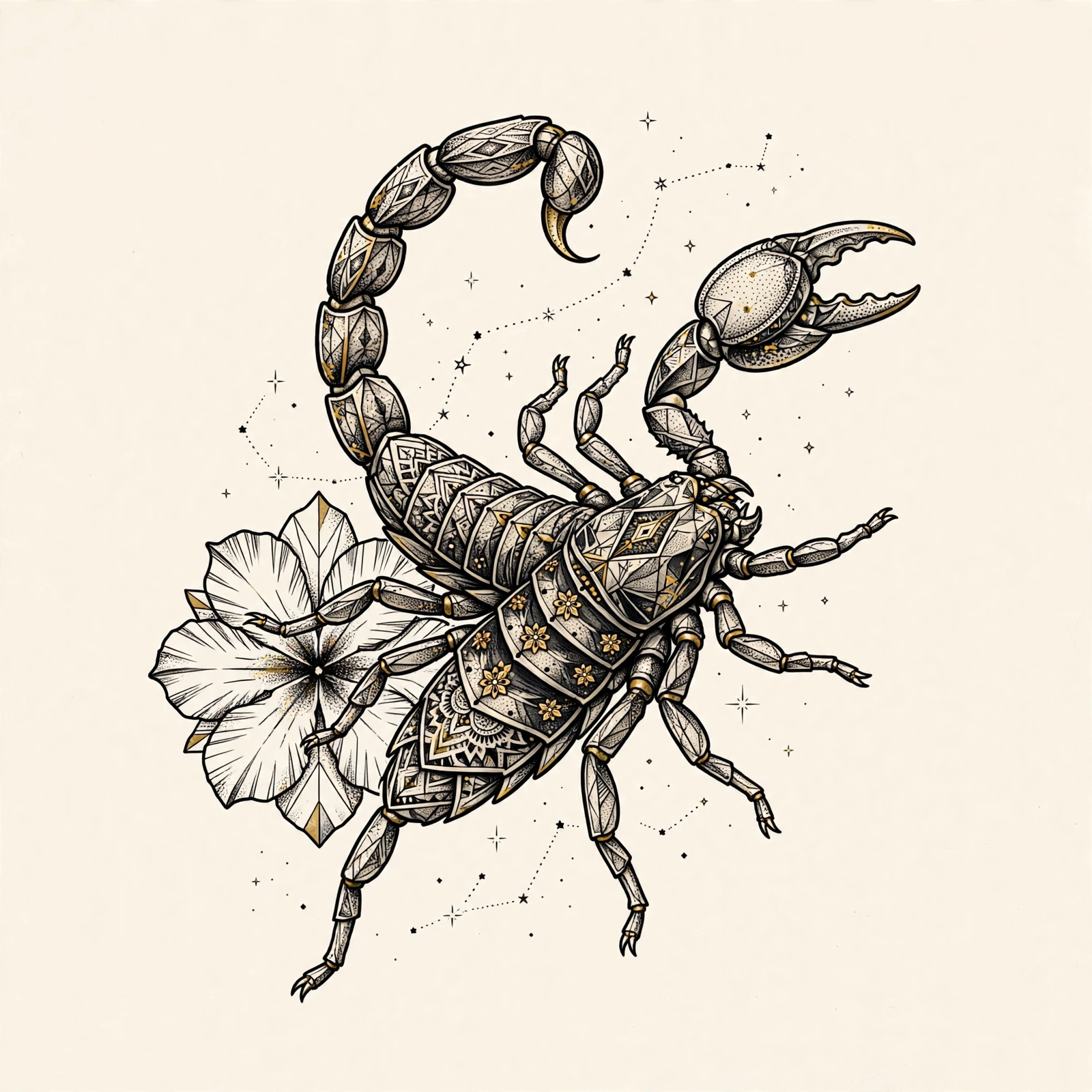
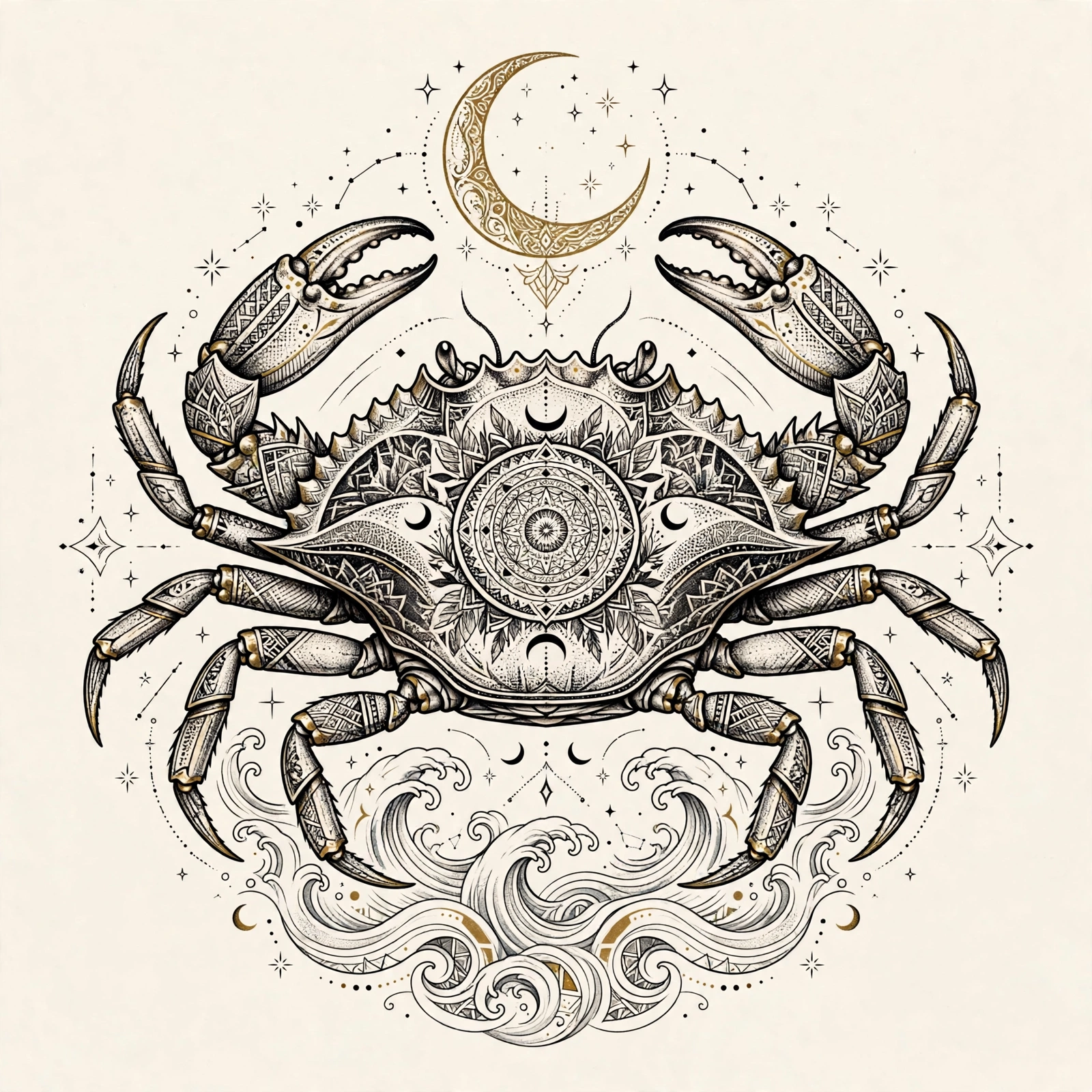
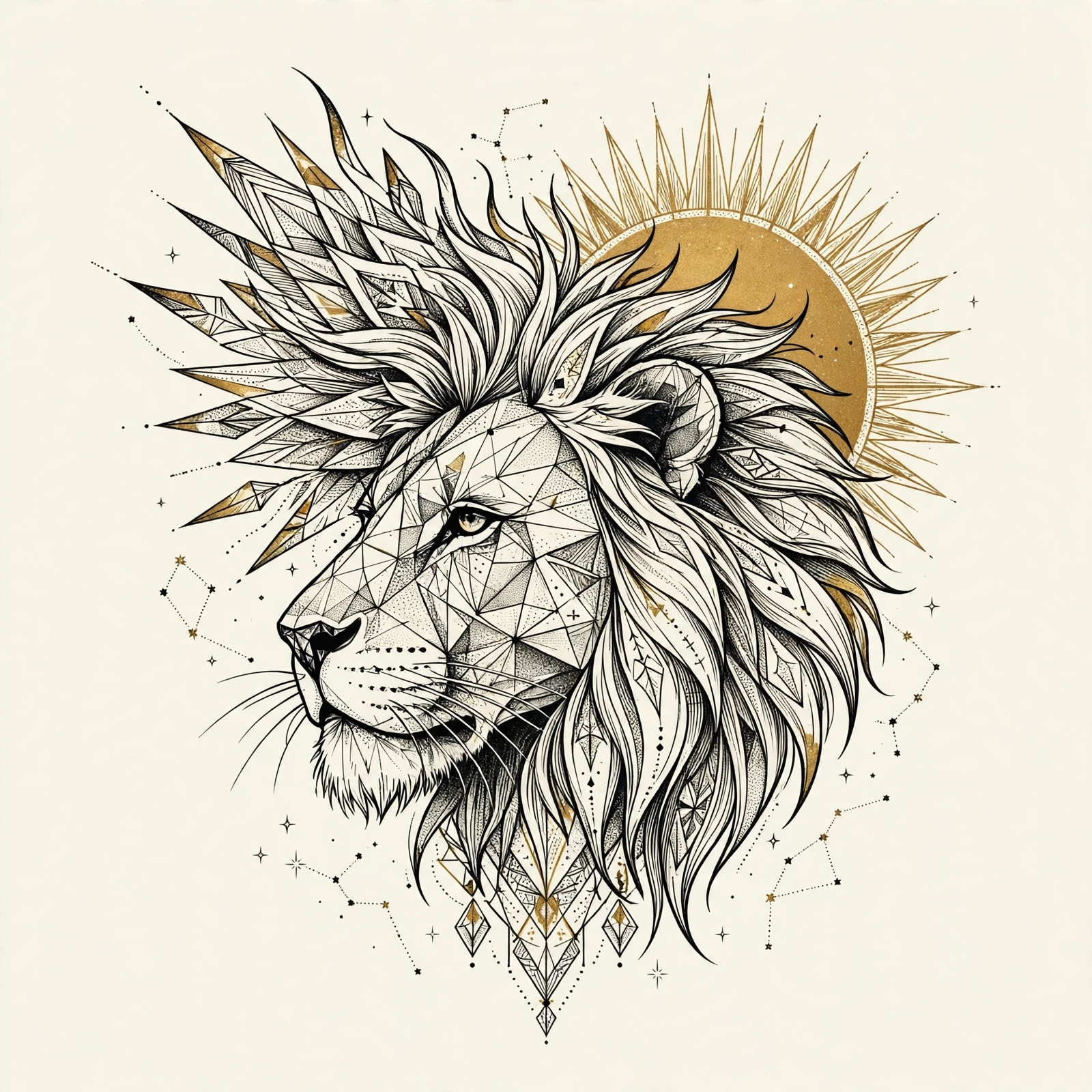
The Fool on the forearm in fine line, a small figure at the edge of a cliff with a bundle on a stick, a card for a new start.
The Magician on the upper arm in blackwork, one hand to the sky and one to the earth, the tools of the trade on the table.
The Death card on the thigh in bold colour, the skeleton rider in black and white, a card for change and endings.
The Moon on the shoulder in soft blue wash, the moon above two towers, a card for intuition and dreams.
The Sun on the forearm in gold and amber, the sun above a child on a white horse, a card for joy and clarity.
The Star on the wrist in fine line, a single eight-pointed star above a pool, a card for hope.
The Fool's bundle and staff on the ankle, the card reduced to its two symbols, small and exact.
The Magician's tools — cup, sword, wand and pentacle — in a row on the collarbone, the four suits in fine line.
The Moon and the Sun on opposite forearms, the two cards as a pair, night on one arm and day on the other.
The Star and a constellation on the back, the star above a star map, the two skies in one design.
The Death card's white rose on the wrist, the rose alone in fine line, the card reduced to its quietest symbol.
The Sun card's sunflower on the shoulder, the flower in gold, a card for joy without the whole scene.
Fine-line minimal is the natural style for a tarot card: thin, exact lines that keep the figure readable, and that age well if the design stays at palm size or larger. Bold colour suits the Sun and the Moon cards, because gold and blue together read as those cards at a glance, while black alone can read as any picture. Blackwork suits a card when the design needs to read as a graphic mark — the figure in solid black with the details cut out as negative space, sharp and modern. Watercolour gives the Star and the Moon soft washes over black linework, though the colour fades faster and needs touch-ups to stay bright. Whatever style you pick, keep the figure readable — a tarot card without a readable figure is a rectangle, and a rectangle is not a card.
| Style | Best size | What to ask your artist |
|---|---|---|
| Fine-line minimal | Palm size or larger | Thin, exact lines keep the figure readable, and age well at palm size or larger. |
| Bold colour | Palm size or larger | Gold and blue together read as the Sun and the Moon at a glance. |
| Blackwork | Palm size or larger | Solid black with details as negative space makes a sharp, modern card. |
A tarot card is a tall rectangle, so pick a spot with a long line. The forearm is the first choice: a card standing upright on it, the figure readable from across a room, and the session is a single sitting. The upper arm suits a card with a scene behind it, because there is room for the figure and the background. The thigh suits the largest cards, a full scene with room for the details. The back suits a card with a constellation behind it, the star above a star map. The shoulder suits a Moon or a Sun, the round shape sitting well on the muscle. The ribs can take a tall card running upward, though the ribs are one of the sharpest spots. The wrist suits only a single symbol from a card — a star, a moon, a sun, a white rose — because a whole card squeezed onto a wrist loses the figure that makes it a card. Pick the spot by the card's shape first, then size it to the canvas.
A tarot card is usually a medium tattoo, and the size sets both the sting and the bill. A medium card on the forearm is a single session of a few hours, with the usual forearm ache that builds slowly and fades the same evening. A large card with a full scene across the thigh is a longer job — more time under the needle, more soreness the next day, and a price that grows with the hours. The ribs are the sharpest spot for a card, so a tall card running up the ribs is not a gentle session. The shoulder and the thigh usually feel steadier, because there is more flesh under the needle. Colour fill adds time, because gold and blue have to be packed in carefully to stay even, and a card in full colour takes longer than the same card in black linework. Any flat figure online is a guess. Take your exact size, placement and style to a licensed artist and ask what a touch-up costs before you book.
Plan the numbers properly: try the Cost Estimator for a size-and-style estimate, and read the Placement Pain Guide before you pick a spot. Only a licensed artist who sees the design and the body part can give you a real quote.
See also: tattoo cost estimator · tattoo placement pain guide.
Pick the card for what it means to you, not for how it looks. The Moon and the Sun are the two people ask for most, and they are also the two that carry the most meaning — the Moon for intuition and dreams, the Sun for joy and clarity. Death is the card people hesitate over, and it is worth knowing before you book: in tarot it stands for change and endings, not for literal death. If that reading does not sit right with you, pick another card.
Once you know the card and the spot, try the design on your own chart. The generator builds a design from your birth date so you can see it before you book: /tattoo-generator/.
The generator reads your birth date, your intention and your style, so the design it makes is yours, not a copy of someone else's.
Size (Tiny to Extra Large) and style in, cost range out. Ranges are estimates — an artist quote wins. A 20% tip is shown separately.
All 23 placements from our placement guides — pick a spot, optionally compare a second one, and see its pain range, healing time, fading and size guidance, quoted from the same guide data, with a link to the full placement guide. Ranges only — sources disagree, no single decimal is a fact.
Two sun signs in, an honest reading out — no invented percentages. The tool compares the two signs' elements and ruling planets, tells you where the pairing clicks and where it rubs, and turns it into a matching-tattoo idea with links to both sign guides.
Your Sun, Moon and Rising signs from your birth date and time — all three computed in your browser, with the Moon and Rising honestly labelled approximate. Each sign comes with a short traditional reading and a tattoo angle, plus links to its sign guide and to the wheel and fusion tools.
See the full list on the Horoscope Tattoos pillar page.
Chinese zodiac tattoos: the 12 animals, how the year system works, 14 design ideas, and a full page for every animal.
Western vs Chinese zodiac tattoo: month-based signs vs year-based animals, how they differ, and how to combine both.
Horoscope symbol tattoos: the 12 glyphs, what each one looks like, 12 design ideas, and how to keep a glyph readable.
Zodiac tattoo meaning: what each sign, element and glyph stands for, and how to pick a design that matches your story.
The Moon and the Sun are the two people ask for most, because they are the most recognisable and the most hopeful. The Star follows them, and Death follows it — people either love the Death card or avoid it entirely. The Fool is the quiet favourite, a small card for a new start.
In tarot, Death stands for change and endings — the end of one chapter and the start of another — not for literal death. It is one of the most misunderstood cards. If that reading does not sit right with you, pick another card; a tattoo should not need explaining every time someone sees it.
The forearm and the upper arm suit a tarot card, because the card is a tall rectangle and the arm is a long canvas. The thigh suits a larger card, and the back suits a card with a scene behind it. The wrist suits a small card detail — a star, a moon, a sun — rather than a whole card. A whole card squeezed onto a wrist loses the figure that makes it a card.
A tarot card is usually a medium piece, so it costs more than a small glyph. A medium card on the forearm is a single session of a few hours. A large card with a full scene across the thigh takes longer and costs more. Cost follows size, placement and style, not the card, so ask a licensed artist for a quote once you know the size and the spot.
Yes. A tarot card pairs well with your zodiac sign — the Moon card with a Cancer glyph, the Sun card with a Leo glyph — and with a constellation.
AI designs are for inspiration only. Always consult a licensed tattoo artist. Astrology on this site is for inspiration and self-expression. This page does not provide medical advice. Last reviewed: 22 November 2026.