Tattoo Cost Estimator
Size (Tiny to Extra Large) and style in, cost range out. Ranges are estimates — an artist quote wins. A 20% tip is shown separately.
Micro Tattoos · Tattoo Styles
Micro tattoos explained — tiny, highly detailed pieces at miniature scale. How the style ages, the placements that suit it, and design ideas to take to your artist.
A micro tattoo packs surprising detail into a design smaller than a coin: a tiny bee with veined wings, a miniature portrait, a whole landscape in a few centimetres. It is the most delicate style to wear — and the one that changes fastest as skin ages, so go in with clear eyes.
This page sits under Tattoo Styles.
Key takeaways
| What | What to expect |
|---|---|
| Line | Extremely fine single-needle lines packed closely to build detail at tiny scale |
| Colour | Black and grey is most common; small colour accents are possible but soften fastest |
| Aging | The fastest-changing style — fine detail softens and merges over the years and touch-ups are part of the deal |
| Best placements | Inner forearm, inner upper arm, behind the ear and ankle — stable skin away from friction and creases |
Micro tattoos are defined by scale and density: a complete, detailed image — an animal, an object, even a tiny scene — rendered in a space often no bigger than a coin. Artists use very fine needles and tight, controlled lines to fit shading and texture where other styles would simply draw an outline.
The skill on show is miniaturisation. A micro bee has wing veins and a striped body; a micro landscape has a horizon, trees and a sun. To achieve that, the artist works slowly with small needle groupings and builds tone from many tiny marks. Not every good tattooist does micro work well — it is a specialism, and healed results are the only honest way to judge it.
Because the canvas is so small, subject choice matters enormously. Images with one clear focal point and a strong simple shape underneath the detail survive best. A design that is busy at large size becomes mud at micro size, so expect a good artist to simplify your idea before agreeing to tattoo it.
Honestly: micro tattoos change more than any other style. Ink spreads slightly in the skin over time, and at micro scale that small spread is proportionally huge, so the finest details soften, merge and lose definition. A well-planned micro piece stays recognisable; a crowded one can blur within a few years.
This is not a reason to avoid the style — it is a reason to design for it. Micro tattoos that age best keep their detail slightly separated, use strong contrast between light and dark areas, and avoid packing tiny lines shoulder to shoulder. Your artist may suggest going a fraction larger than you pictured; that small increase buys years of clarity.
Plan on maintenance. Many micro pieces benefit from a careful touch-up once the finest areas have softened, and some people later choose to expand the design into a larger piece built around the original. Sun protection matters more here than in almost any other style, because ultraviolet light fades the delicate greys that micro shading depends on.
Micro tattoos belong on calm, stable skin: the inner forearm, inner upper arm, behind the ear, the ankle and the flat of the shoulder blade. These areas move less, rub less and hold fine detail longer. Fingers, feet and anywhere the skin creases or stretches constantly will wear a micro design out quickly.
Think of it as protecting something fragile. The inner arm is sheltered from sun and friction, which is why so many micro pieces live there. Behind the ear suits a truly tiny symbol and stays discreet. The ankle works if the design sits on the flatter outer side rather than over the bone and tendon at the front.
Avoid the temptation of the most visible tiny spots. Finger micros are popular in photos and are the fastest to fade and blur in real life, because hand skin renews quickly and takes constant wear. If your heart is set on a hand placement, your artist should explain plainly that regular touch-ups will be part of owning it.
Micro pieces are small, so they usually price in the Tiny band at $50–250 or Small at $50–500, with shop minimums usually $80–$150 — but the per-hour skill is high, so a detailed micro can cost more than a simpler tattoo of the same size. Pain is usually brief and mild.
Do not expect a tiny tattoo to mean a tiny price from a specialist. You are paying for precision that takes years to learn, and a slow, careful session. A very detailed micro piece can take as long as a medium-sized simple tattoo, and reputable micro artists price that time honestly. Be wary of anyone offering intricate micro work suspiciously cheaply.
The sitting itself is short compared with large work, and most placements used for micro tattoos are among the more comfortable areas of the body. The sensation is a fine, scratchy line rather than heavy shading. Even a nervous first-timer usually finds a micro session very manageable — the bigger commitment is the aftercare and the future touch-ups, not the appointment.
The most successful micro ideas have one clear subject and a simple silhouette under the detail: a single insect, a tiny animal, a miniature object with meaning. The eight ideas below are chosen for strong shapes that stay recognisable even after the finest lines soften with time.
When you browse micro designs online, remember that nearly all the photos are fresh. Ask to see healed examples of anything similar, and imagine the design with its finest details gently softened — if it still reads clearly in your mind, it is a good candidate. If it turns into a smudge, simplify it or size it up.
A good approach is to design in layers: a bold little shape that will last, with the delicate detail treated as a bonus that may need refreshing. A tiny bee with a clear body shape, a miniature key with a strong outline, a small wave with one clean curve — these keep their identity even as the micro texture matures.
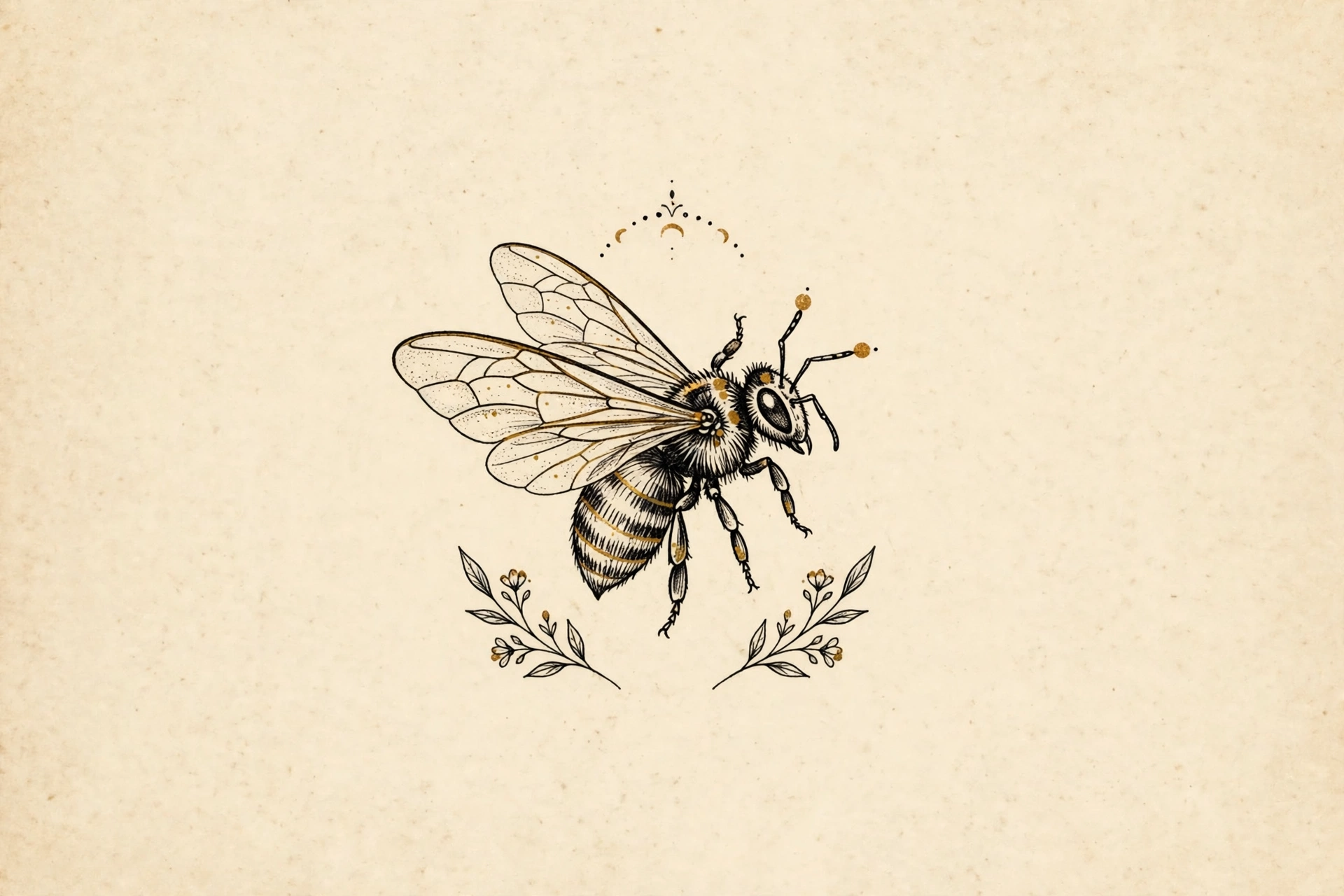
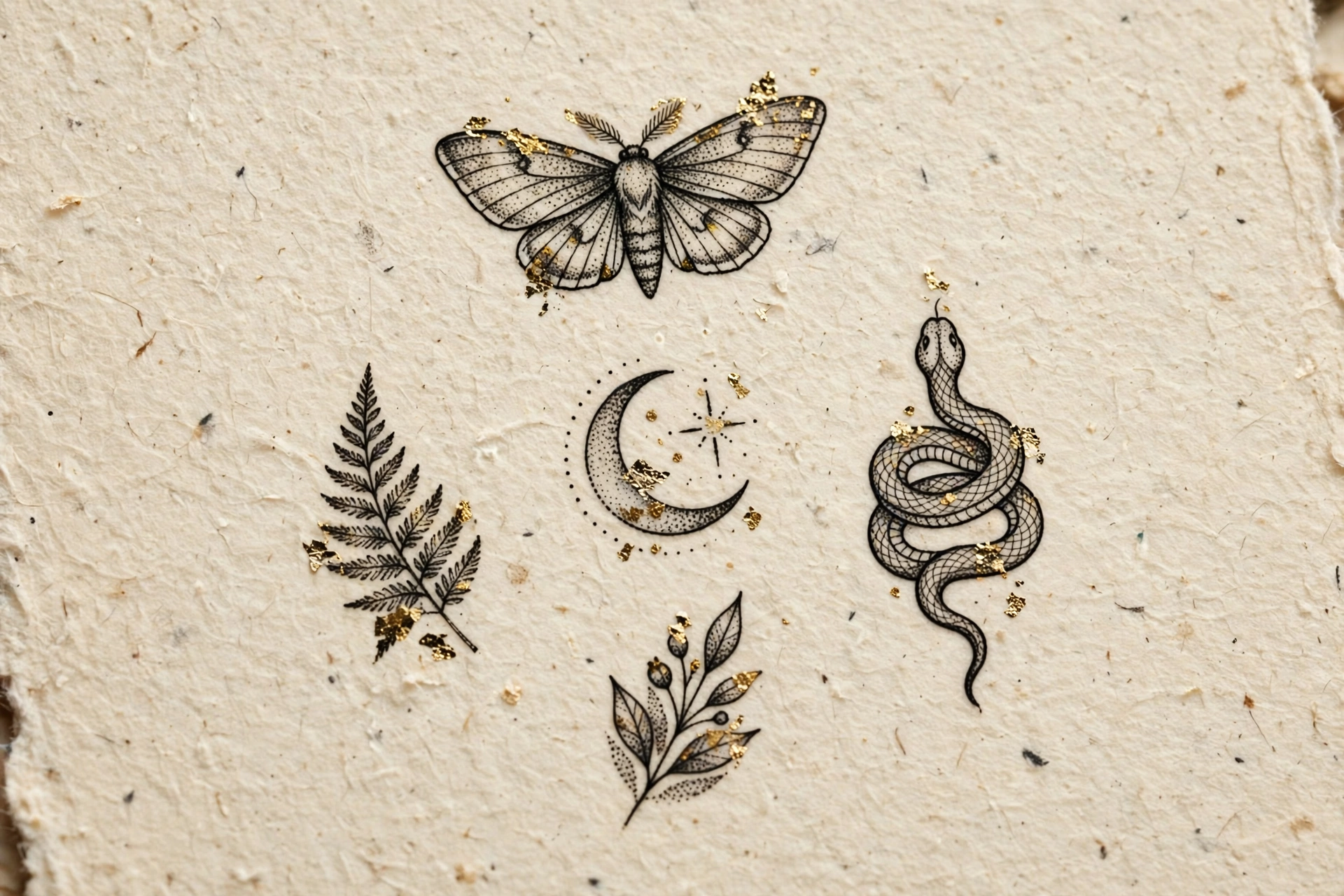
Tiny bee with veined wings and a striped body on the inner forearm, no bigger than a coin
Miniature lighthouse with small waves at its base on the ankle, strong silhouette with fine detail inside
Micro cat sitting in profile behind the ear, simple shape with delicate fur marks
Tiny open book with a small flower growing from its pages on the inner upper arm
Miniature mountain scene inside a small circle on the shoulder blade, horizon line kept bold
Micro key with a heart-shaped bow on the wrist, outline strong enough to survive softening
Tiny wave curling with a small sun above it on the inner arm, clean curve and open space
Miniature hot air balloon with fine basket detail on the calf, kept slightly larger for clarity
See also: Tattoo Style Finder Quiz · Tattoo Cost Estimator · All Tattoo Styles.
The generator reads your birth date, your intention and your style, so the design it makes is yours, not a copy of someone else's.
Size (Tiny to Extra Large) and style in, cost range out. Ranges are estimates — an artist quote wins. A 20% tip is shown separately.
All 23 placements from our placement guides — pick a spot, optionally compare a second one, and see its pain range, healing time, fading and size guidance, quoted from the same guide data, with a link to the full placement guide. Ranges only — sources disagree, no single decimal is a fact.
Two sun signs in, an honest reading out — no invented percentages. The tool compares the two signs' elements and ruling planets, tells you where the pairing clicks and where it rubs, and turns it into a matching-tattoo idea with links to both sign guides.
Your Sun, Moon and Rising signs from your birth date and time — all three computed in your browser, with the Moon and Rising honestly labelled approximate. Each sign comes with a short traditional reading and a tattoo angle, plus links to its sign guide and to the wheel and fusion tools.
See the full list on the Tattoo Styles main page.
Linework tattoos explained — the line itself as the whole design, minimal shading. How the style ages, the placements that suit it, and design ideas to take to your artist.
Minimalist tattoos explained — the fewest lines that still say it. How the style ages, the placements that suit it, and design ideas to take to your artist.
Lettering & Script tattoos explained — words as the design — scripts, serif and handstyles. How the style ages, the placements that suit it, and design ideas to take to your artist.
Neo-Traditional tattoos explained — traditional bones with a wider palette and softer shading. How the style ages, the placements that suit it, and design ideas to take to your artist.
Yes, to a degree — all tattoos soften, and micro work shows it most because the detail is so small. Lines spread slightly in the skin, so the finest marks merge first. A well-designed micro piece with separated detail and good contrast stays recognisable for years, but expecting it to look freshly done forever is unrealistic.
Choose a slightly larger size than the absolute minimum, keep detail separated rather than crowded, pick stable skin away from friction and sun, and protect the healed tattoo from ultraviolet light. Choosing an artist who specialises in healed micro work matters more than any single design trick.
Often it can be refreshed with a touch-up that redefines the main shapes. If it has softened a lot, another option is to build it into a larger design that uses the original as its centre. A good artist will assess it honestly and tell you which route will actually work on your skin.
Because the difficulty is in the precision, not the size. Micro work needs specialist needles, a slow hand and a lot of experience, and a detailed piece can take as long as a much larger simple tattoo. You are paying for skill and time, and both show in how the piece heals.
A single simple subject with a strong shape: a tiny bee, a small wave, a miniature key or a little animal in profile. Place it on the inner arm or forearm where skin is calm, keep the detail open, and treat it as a design that may enjoy one touch-up in the future.
They are the highest-maintenance version of an already delicate style. Finger skin wears, stretches and renews quickly, so fine detail fades and blurs faster there than almost anywhere else. Many artists will still do them, but only after explaining that regular touch-ups are part of the deal.
AI designs are for inspiration only. Always consult a licensed tattoo artist. Astrology on this site is for inspiration and self-expression. This page does not provide medical advice. Last reviewed: 25 November 2026.