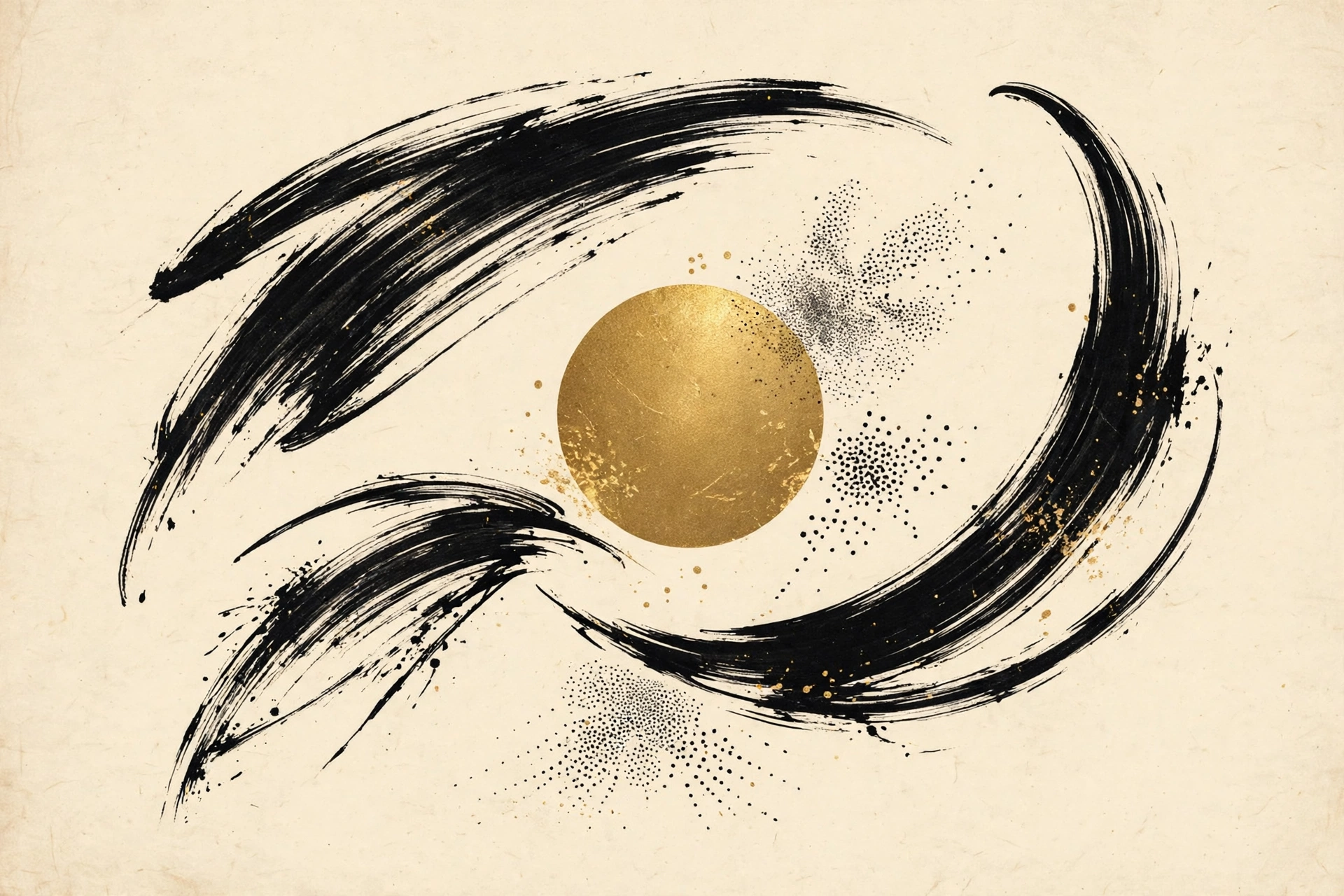
Abstract Tattoos: What Defines the Style and How It Ages
Abstract tattoos explained — shapes, splashes and compositions that suggest rather than depict. How the style ages, the placements that suit it, and design ideas to take to your artist.
Tattoo Styles
Twenty tattoo styles explained in plain language — fine line, blackwork, traditional, realism, watercolor and more — how each one ages, where it sits best, and how to choose.
A tattoo style is the visual language a design is spoken in, and it decides how bold, delicate, colourful or graphic your tattoo looks and how gracefully it ages. This hub explains twenty styles in plain language, so you can name what you love and brief an artist clearly.
Key takeaways
| What | What to expect |
|---|---|
| Styles covered on this hub | 20 individual style guides, from fine line and blackwork to Japanese and sacred geometry |
| Style families | Line-based, bold, shading-led, colour and pattern styles |
| Medium design cost guide | Medium designs often fall in the $200-$1000 band on the site estimator, before tip |
| Detail-heavy styles | Realism, micro and dotwork usually need more time, so allow longer sessions |
| Best way to decide | Compare healed examples of the same subject in two or three styles |
Style decides four practical things: how thick the lines are, how shading is built, whether colour is used and how much detail the design carries. Those choices affect how the tattoo reads from a distance, how long it takes, what it costs and how it ages.
People often arrive at a studio with a subject chosen and no style at all, then wonder why the result feels wrong. A snake drawn with hairline strokes and soft grey shading is a quiet, elegant piece. The same snake packed with solid black and bold curves is dramatic and graphic. The subject did not change. The style did all of that work, which is why it deserves a decision of its own.
Style also sets expectations you should hear before you book. Fine detail needs size. Solid black needs commitment, because it is the hardest work to cover or change later. Soft colour blends can look luminous when fresh and gentler as they settle. None of this makes one style better than another; it makes each style honest about its trade-offs.
Use this hub as a vocabulary lesson. Once you can say that you love dotwork shading but traditional outlines, or ornamental symmetry with fine line detail, your consultation gets shorter, your quote gets more accurate, and your artist can draw for you instead of guessing at you.
Line-based styles let the line itself carry the design. Fine line uses hairline strokes for delicate subjects, linework builds whole images from confident single-weight lines, and lettering makes words the artwork. These styles feel light and precise, and they reward artists with a steady, practiced hand.
Fine line tattoos are built from very thin lines, often with little or no shading. Florals, small symbols, celestial minis and delicate animals suit the approach beautifully, especially on the wrist, ankle, collarbone and inner arm. The honest caution is longevity: hairlines soften as skin renews itself over the years, so designs need enough size and spacing, and a touch-up later in life is a normal expectation rather than a failure.
Linework is fine line's bolder sibling. The line is still the whole design, but it is drawn at a weight that holds its own, sometimes varying for depth. Continuous-line faces, snakes and botanical pieces are classic linework subjects. Lettering and script sit in this family too, because letterforms are pure line: spacing between letters matters as much as the words, and script that is too small will blur into itself.
The dedicated guides on this hub cover fine line tattoos, linework tattoos, minimalist tattoos, micro tattoos and lettering and script tattoos in depth, each with ageing notes and placement advice. Read the one closest to your idea before you fall for a photograph of fresh work.
Bold styles are built on strong outlines, solid areas and high contrast, which is why they tend to stay readable for a long time. Traditional work adds a classic limited palette, neo-traditional softens and expands it, blackwork commits fully to black ink, and tribal uses flowing solid shapes.
Traditional tattoos were designed by working sailors and travelling artists who needed images that survived sun, salt and decades. Thick outlines, simple shading and a restrained palette of red, green, yellow and black give eagles, roses, daggers and swallows their unmistakable punch. If you want a tattoo that still reads clearly from across the street in twenty years, this family deserves your serious attention.
Neo-traditional keeps the strong bones but loosens the rules: a wider, often moodier palette, softer gradients and more decorative detail around faces, animals and flowers. Blackwork goes further still, using only black ink in solid fields, bold silhouettes and dotwork texture. It is striking and versatile, and it is also a real commitment, because dense black is difficult to lighten or cover later.
Tribal work, in its modern form, uses sweeping solid shapes that follow muscle and movement. It carries cultural roots that deserve respect rather than casual copying, a theme the cultural symbols guide in the Learn hub explores properly. Explore the traditional, neo-traditional, blackwork and tribal guides here for healed expectations and design ideas in each.
Shading-led styles build form from tone rather than outline. Dotwork creates gradients from thousands of individual dots, realism aims for photographic smoothness in portraits and nature, and sketch style keeps visible, energetic strokes. These styles are time-intensive and depend heavily on choosing a true specialist.
Dotwork is patience made visible. Instead of solid shading, the artist places dots closer together for dark areas and further apart for light ones, building mandalas, geometric pieces and soft illustrative shading with a texture no other style quite matches. It can be done by machine or by hand poking, it takes time, and at a sensible size it ages gracefully because there are no fragile hairlines to lose.
Realism is the most demanding style on this hub. Portraits, animals and lifelike objects need smooth tonal transitions, a large enough canvas to hold detail, and an artist whose healed realism still looks soft rather than muddy. Black and grey realism is the most requested form, while colour realism asks even more of both artist and aftercare. Never choose a realism artist on price; choose on healed photographs.
Sketch and illustrative styles sit at the expressive end, keeping construction lines, cross-hatching and a drawn-on-paper energy. Abstract tattoos belong in this conversation too, suggesting a subject through shape and movement rather than depicting it. The dotwork, realism, illustrative, sketch-style abstract and gothic guides on this hub each explain how the shading behaves as years pass.
Colour and pattern styles make their impact through palette or structure. Watercolour blends pigment softly without hard outlines, Japanese work composes large flowing scenes, geometric designs rely on exact symmetry, and ornamental pieces borrow the language of jewellery and lace to decorate the body's natural lines.
Watercolour tattoos imitate paint: splashes, bleeds and soft edges, often behind a linework subject that gives the piece its structure. They look joyful and modern, and they ask for honesty in return. Without strong outlines, soft colour settles and spreads gently over time, so many artists anchor watercolour effects inside a design that will still read when the washes soften. Sun protection matters especially here, once healing is complete.
Japanese tattooing, or irezumi, is a complete compositional tradition: dragons, koi, waves, blossoms and wind bars flowing together across backs, sleeves and bodysuits, with background elements unifying the whole. It rewards scale and patience, often over many sessions. Geometric and sacred geometry work pursues the opposite kind of beauty, built on circles, grids and exact repetition, where a millimetre of drift is visible and a steady specialist is essential.
Ornamental tattoos finish the family: symmetrical, jewellery-like pieces with dot chains, fine lace patterns and gem-like centres, made to sit on sternums, backs, hands and collarbones like worn decoration. Read the watercolor, Japanese, geometric, sacred geometry and ornamental guides here before deciding which discipline your idea really belongs to.
Choose for the healed tattoo, not the fresh photograph. Look at healed examples in your shortlisted styles, match detail to a size your placement can support, and be honest about sun exposure, touch-ups and maintenance. A style you understand will age far better than a trend you borrowed.
Fresh tattoos are photographed under perfect light with crisp edges that no tattoo keeps forever. Ink settles, lines relax slightly, and colours soften into the skin. That is normal biology, not bad work. The styles that age most gracefully share simple traits: clear shapes, contrast between light and dark areas, and detail that is large enough for the placement. When you compare styles, compare them at five or ten years healed, not at five minutes fresh.
Your lifestyle belongs in the decision too. Outdoor work, frequent swimming and sunbed habits all ask more of colour and fine detail. Hands and feet ask more of everything. If your favourite style and your lifestyle argue with each other, a good artist can often adapt the design, by strengthening key lines or moving soft effects to a more sheltered placement, rather than abandoning the style you love.
Still torn between two styles? The Tattoo Style Finder Quiz on this site talks through your preferences and points you to a shortlist, and the cost estimator can show how size changes the budget picture, with medium work often in the $200-$1000 band and large work in the $500-$2000 band. Then take that shortlist to a specialist and let the consultation settle it.
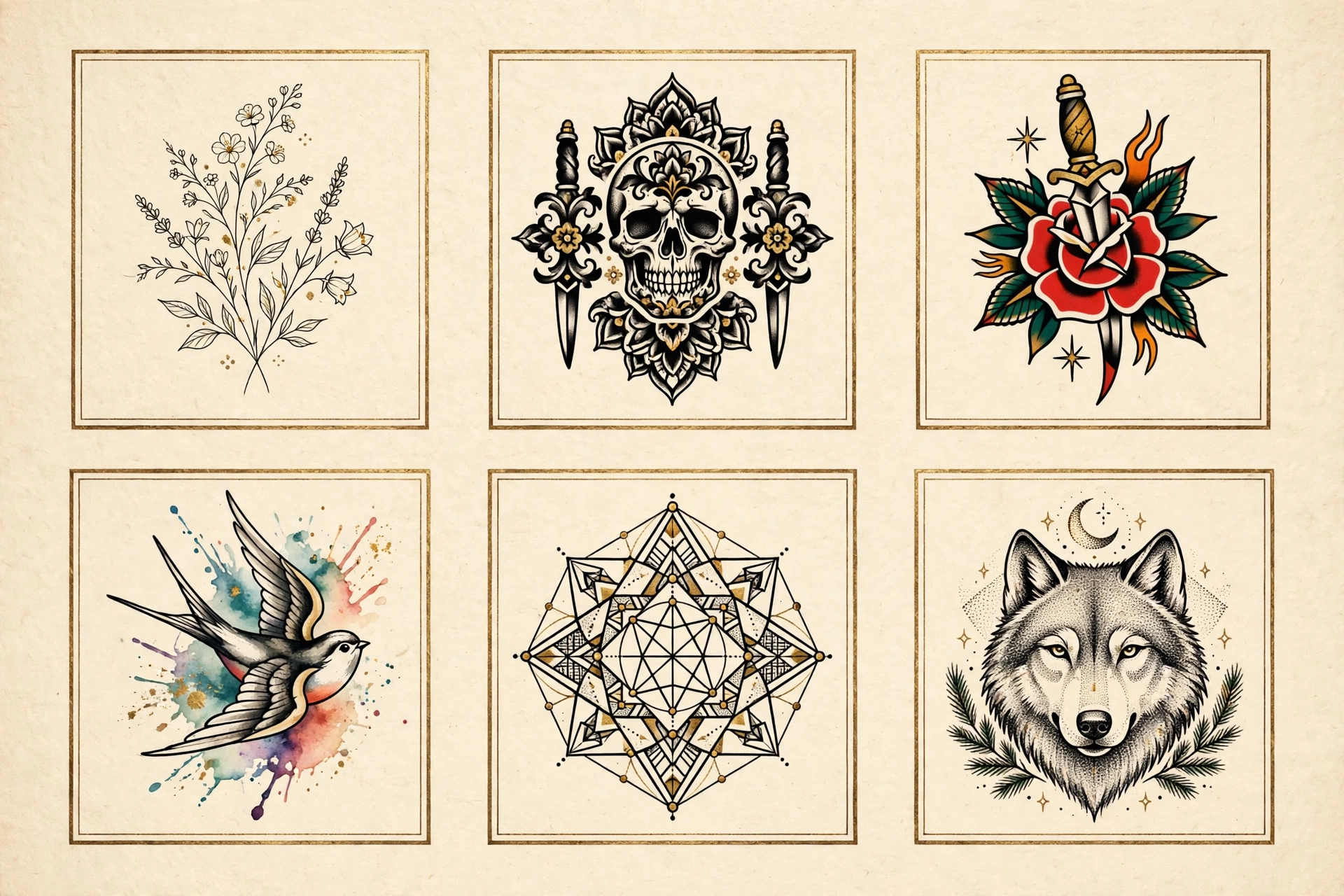
Every style below has its own full guide — what defines it, how it ages, where it sits best, and design ideas drawn in that style.
Abstract tattoos explained — shapes, splashes and compositions that suggest rather than depict. How the style ages, the placements that suit it, and design ideas to take to your artist.
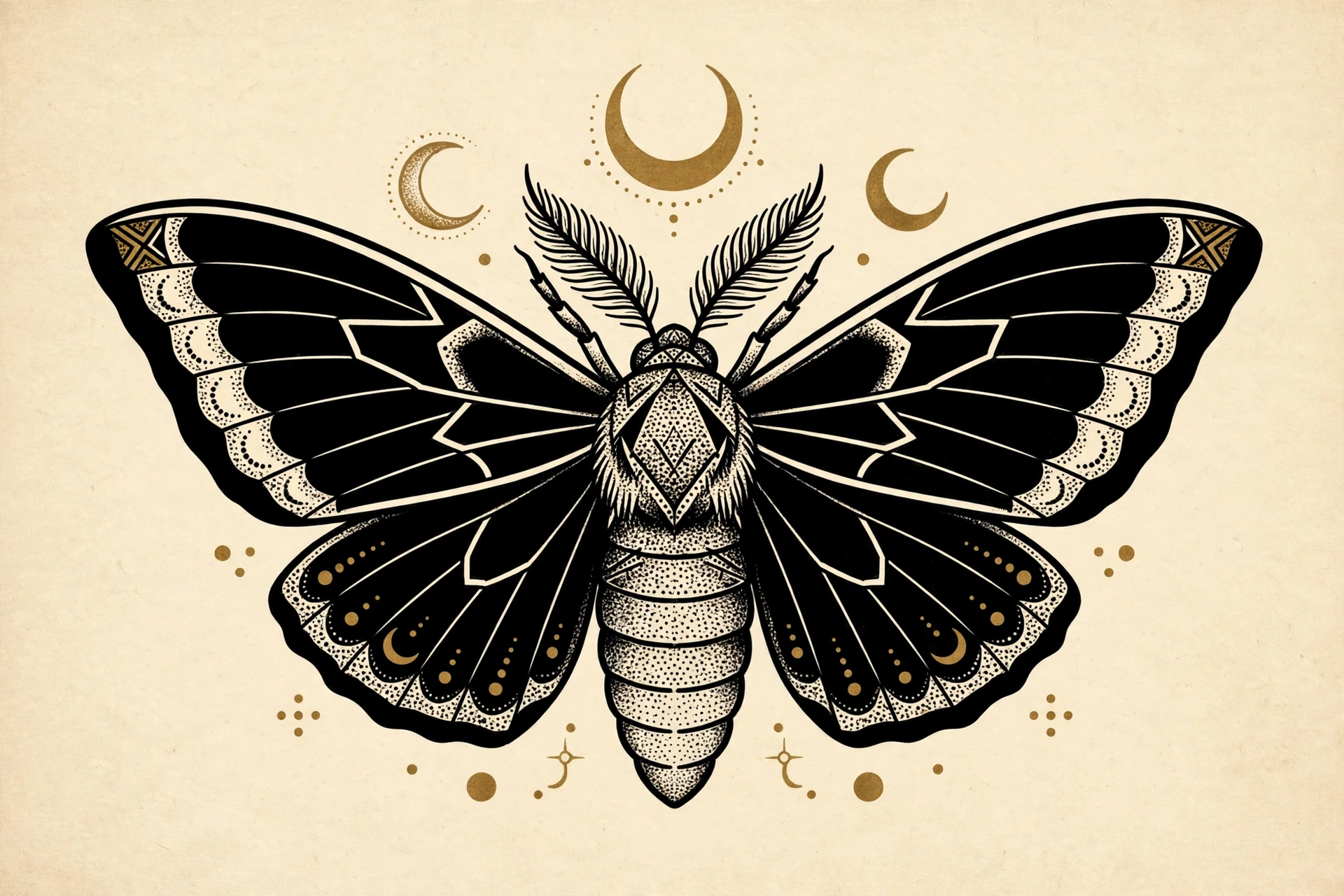
Blackwork tattoos explained — solid black ink, bold shapes and high contrast. How the style ages, the placements that suit it, and design ideas to take to your artist.
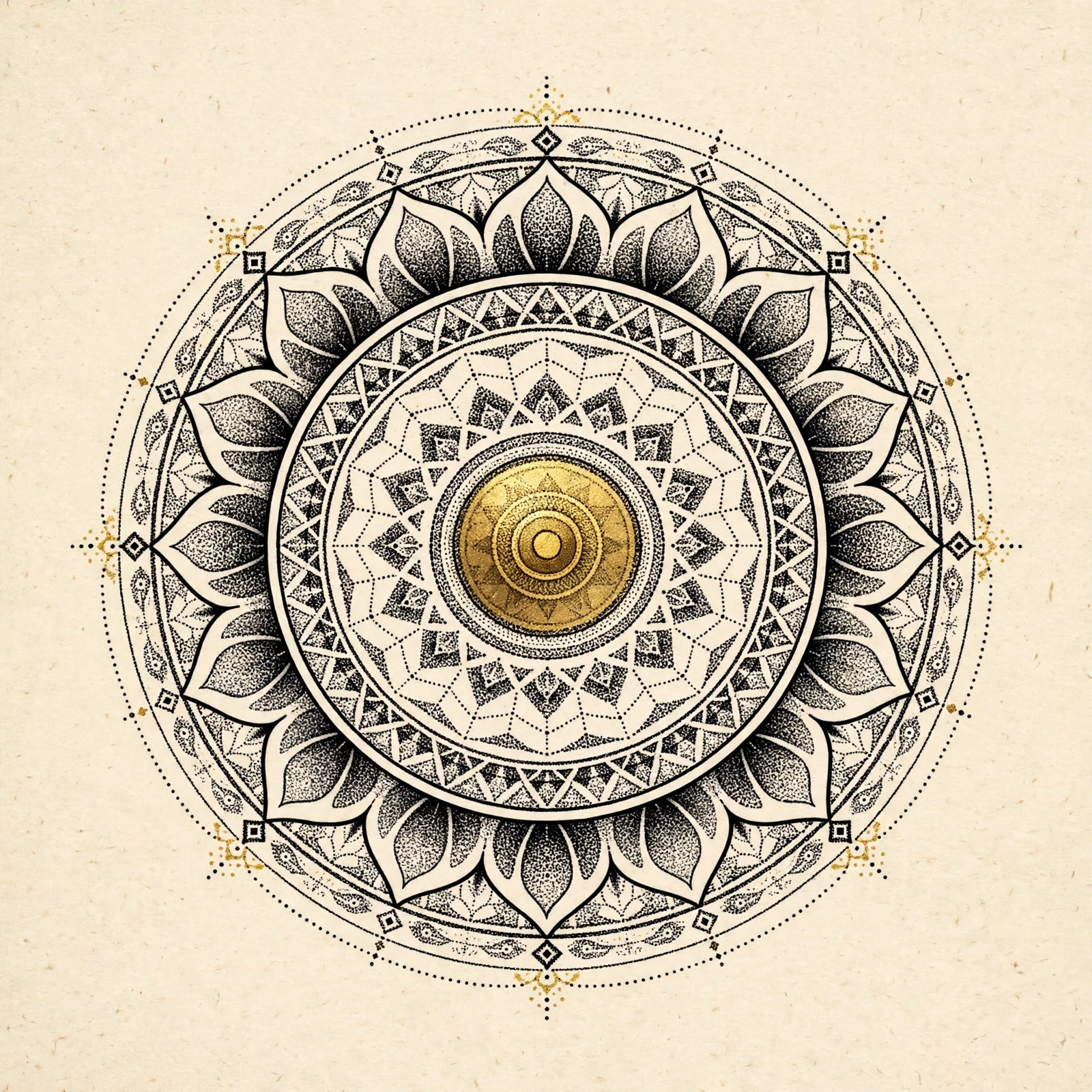
Dotwork tattoos explained — thousands of single dots building tone and texture. How the style ages, the placements that suit it, and design ideas to take to your artist.
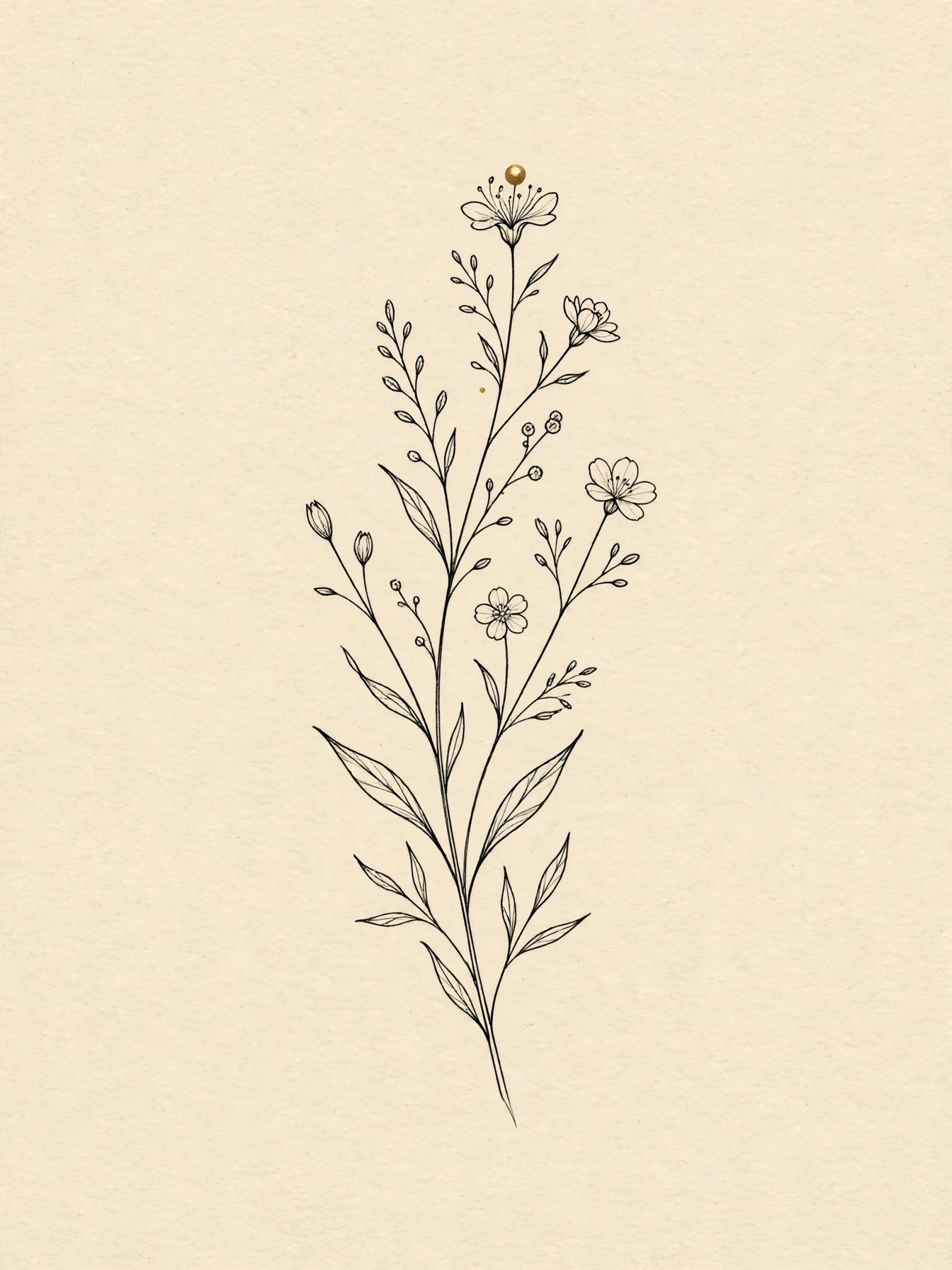
Fine Line tattoos explained — single-needle hairlines and delicate detail. How the style ages, the placements that suit it, and design ideas to take to your artist.
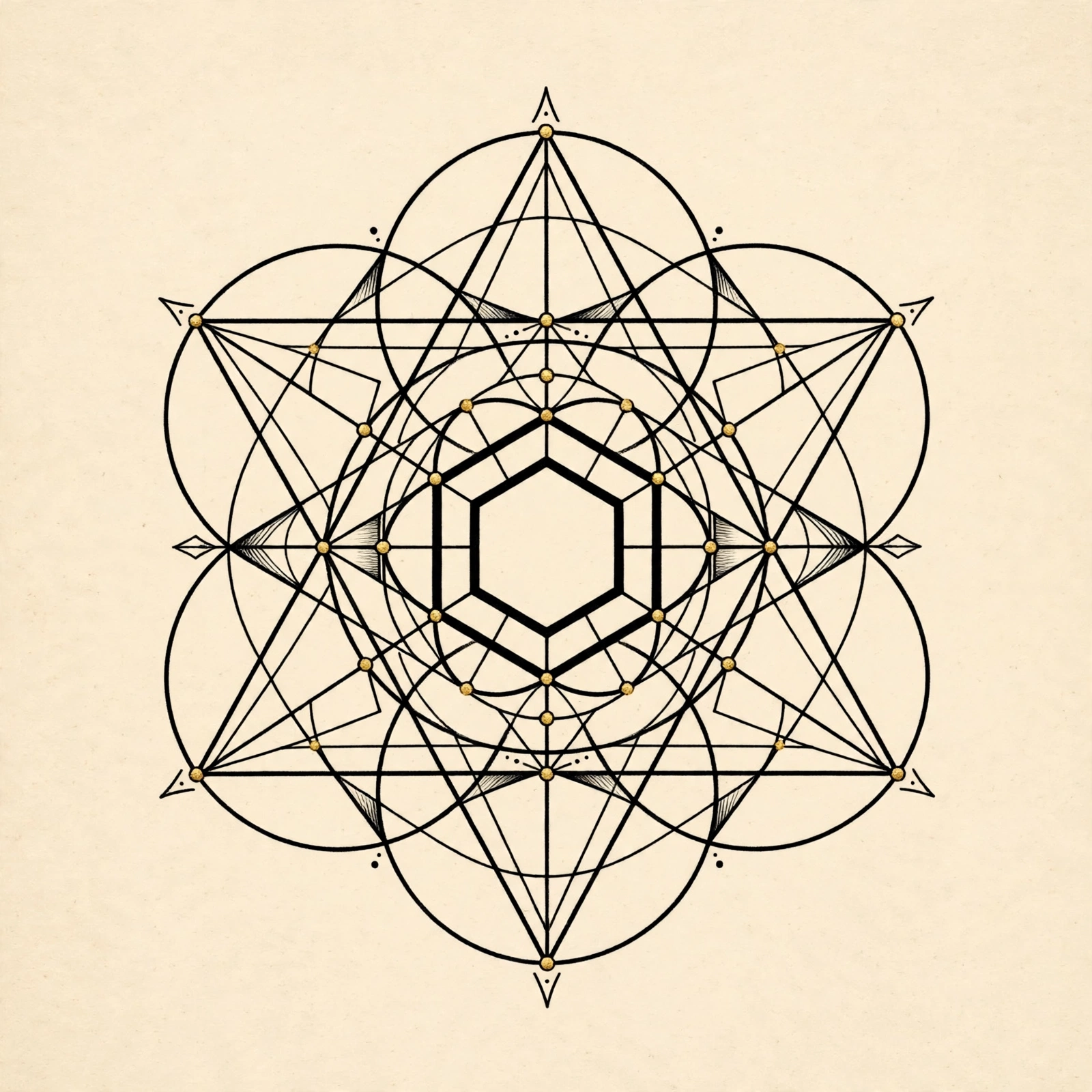
Geometric tattoos explained — circles, grids and exact symmetry. How the style ages, the placements that suit it, and design ideas to take to your artist.
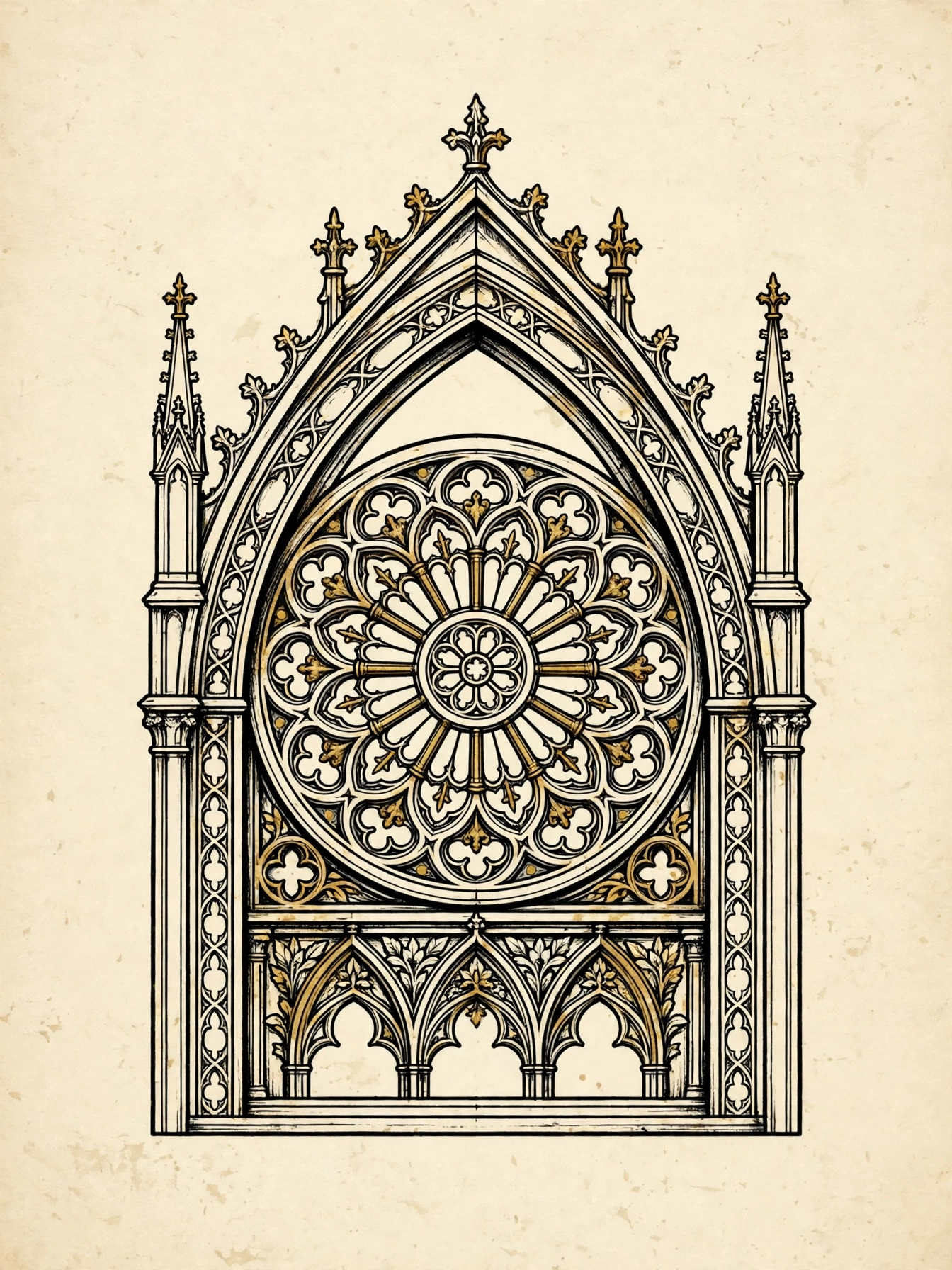
Gothic tattoos explained — cathedral arches, dark ornament and medieval letterforms. How the style ages, the placements that suit it, and design ideas to take to your artist.
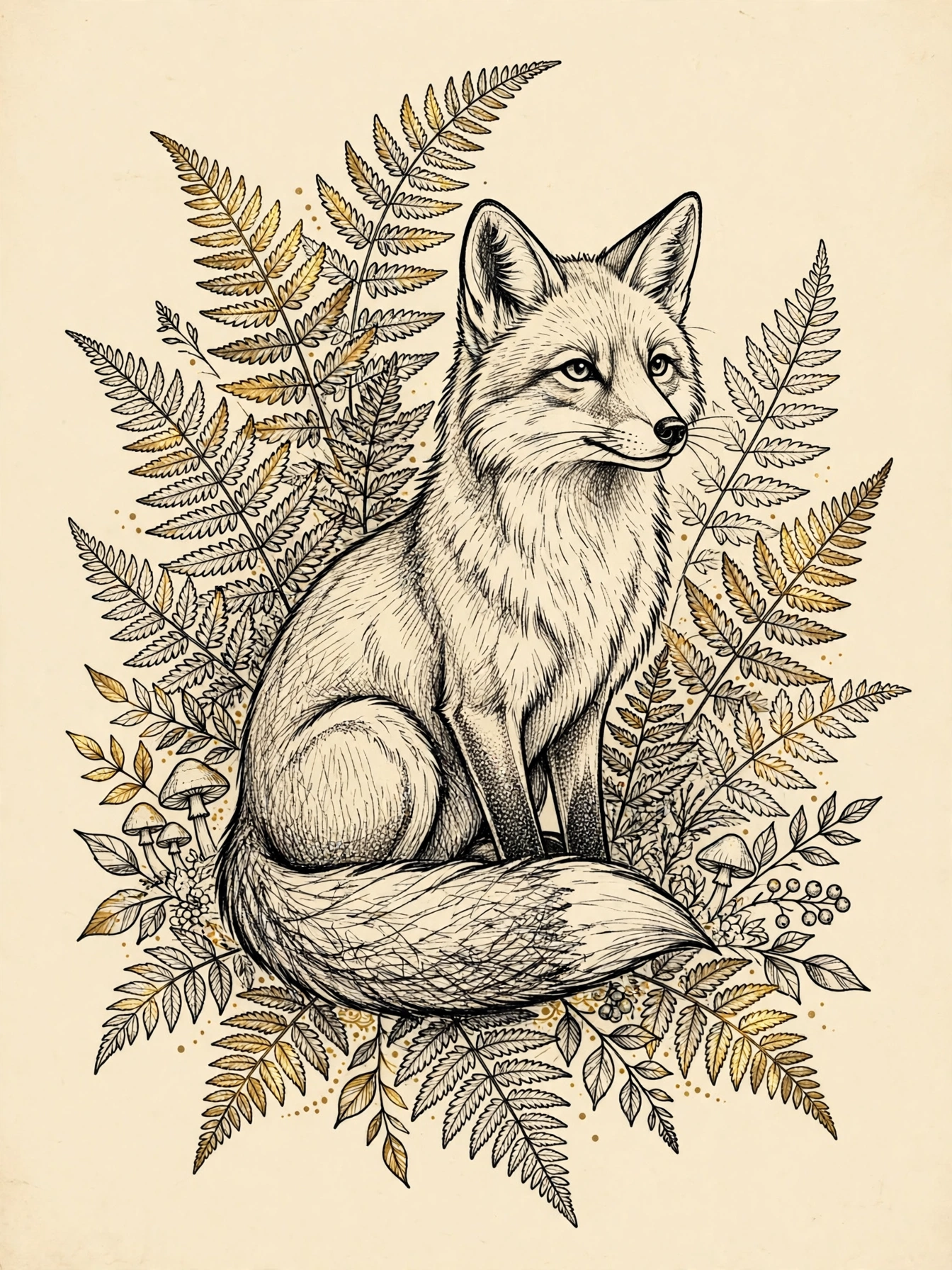
Illustrative tattoos explained — drawn like a book illustration, with visible sketch lines. How the style ages, the placements that suit it, and design ideas to take to your artist.

Japanese (Irezumi) tattoos explained — dragons, koi, waves and wind bars in the irezumi tradition. How the style ages, the placements that suit it, and design ideas to take to your artist.
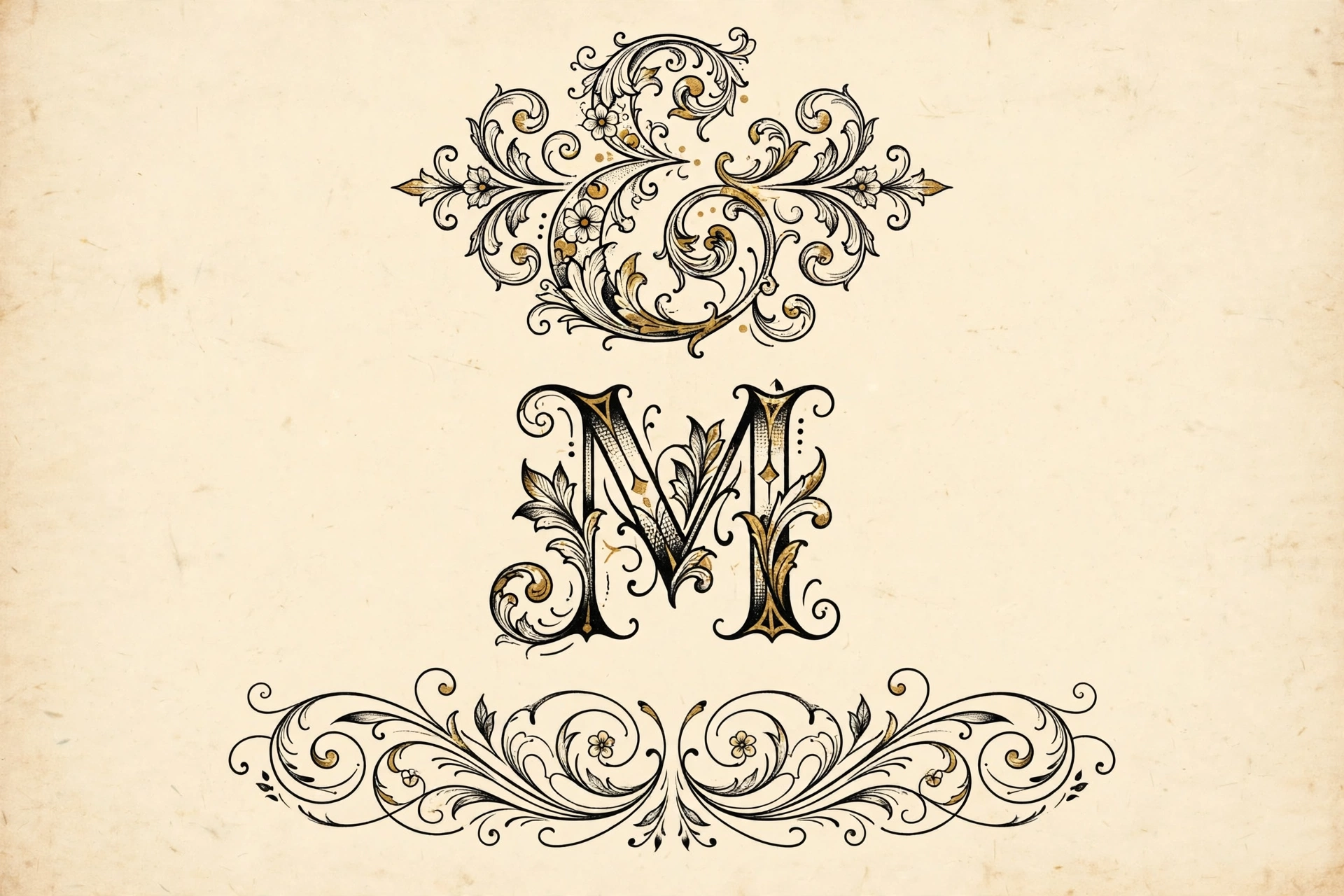
Lettering & Script tattoos explained — words as the design — scripts, serif and handstyles. How the style ages, the placements that suit it, and design ideas to take to your artist.
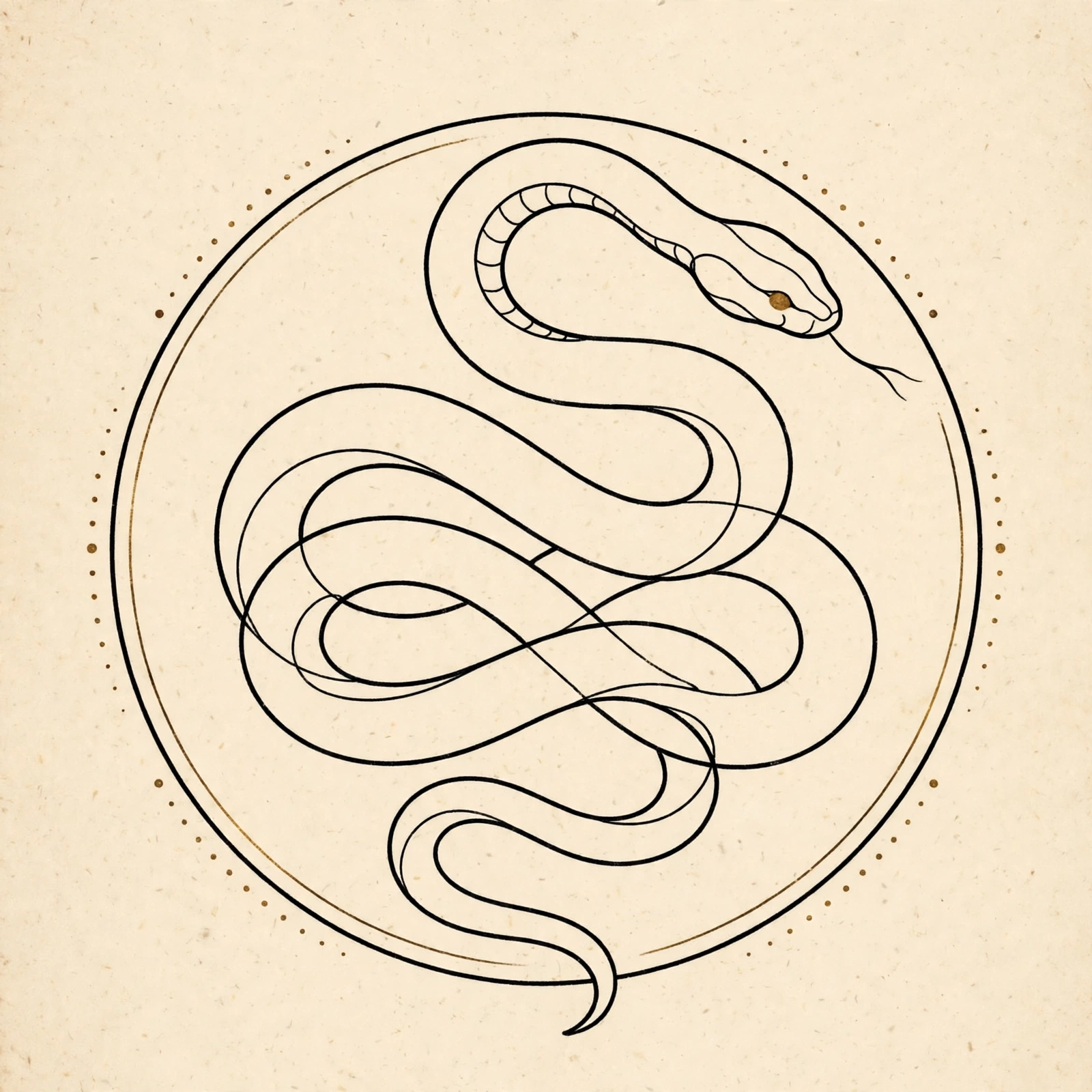
Linework tattoos explained — the line itself as the whole design, minimal shading. How the style ages, the placements that suit it, and design ideas to take to your artist.
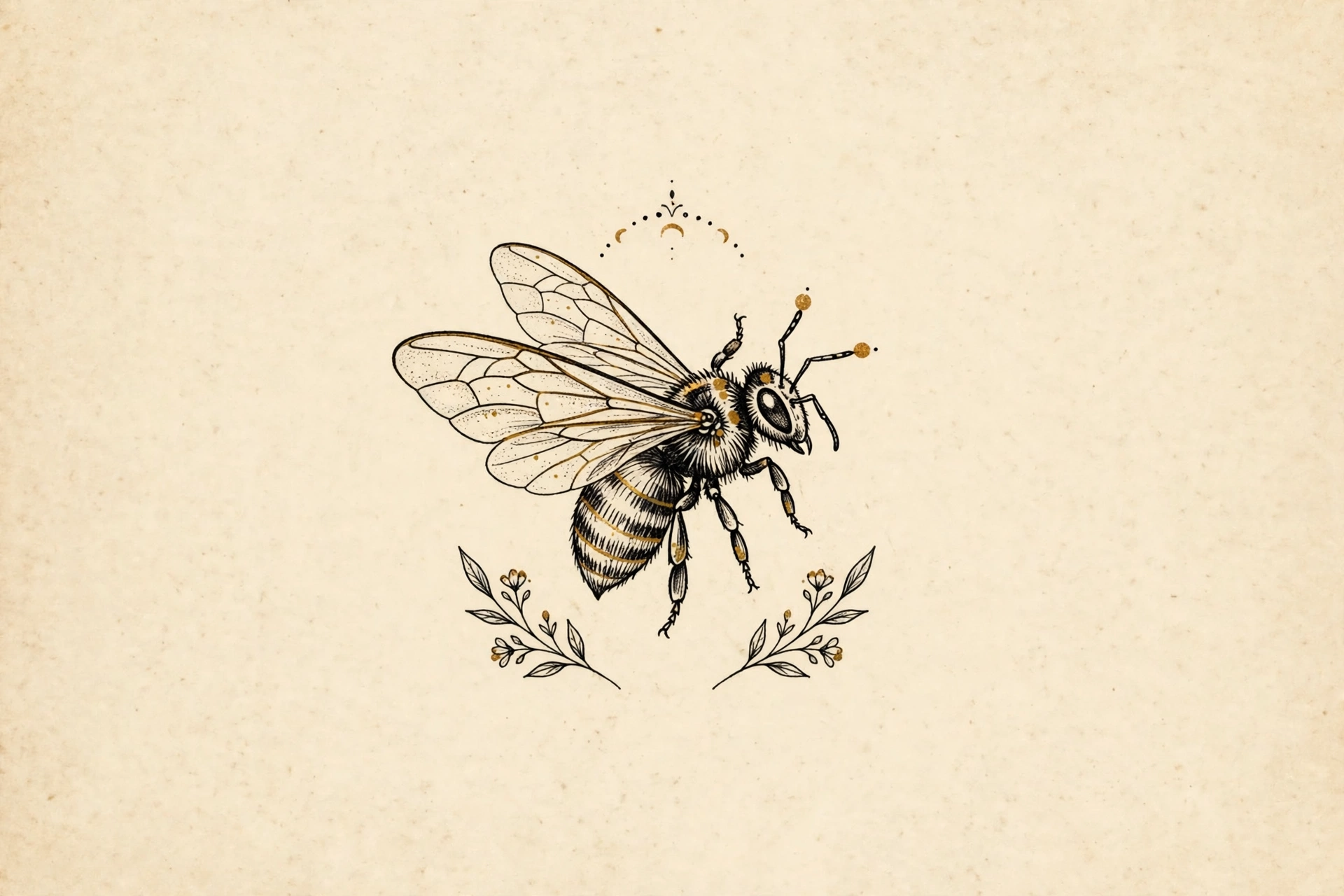
Micro tattoos explained — tiny, highly detailed pieces at miniature scale. How the style ages, the placements that suit it, and design ideas to take to your artist.
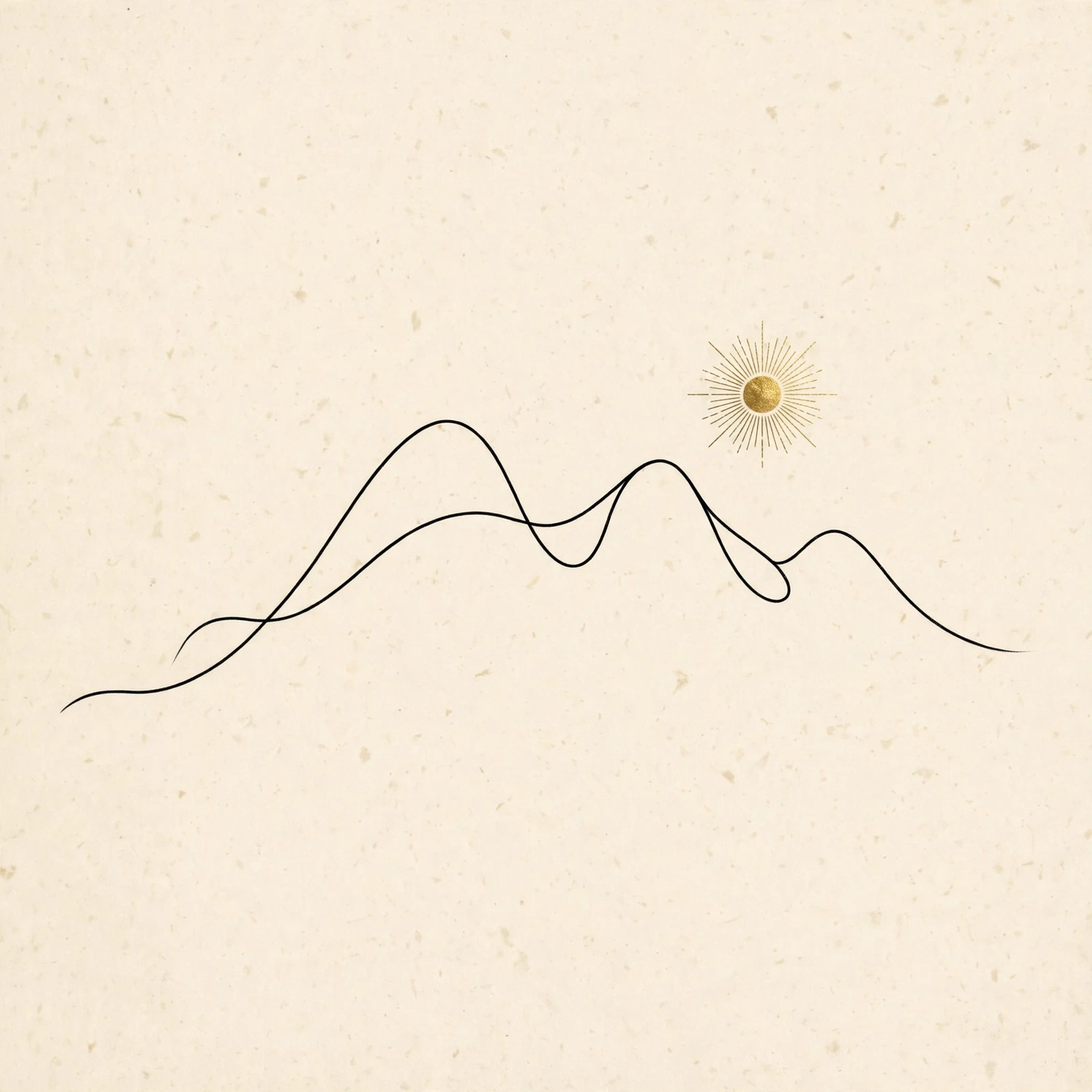
Minimalist tattoos explained — the fewest lines that still say it. How the style ages, the placements that suit it, and design ideas to take to your artist.

Neo-Traditional tattoos explained — traditional bones with a wider palette and softer shading. How the style ages, the placements that suit it, and design ideas to take to your artist.
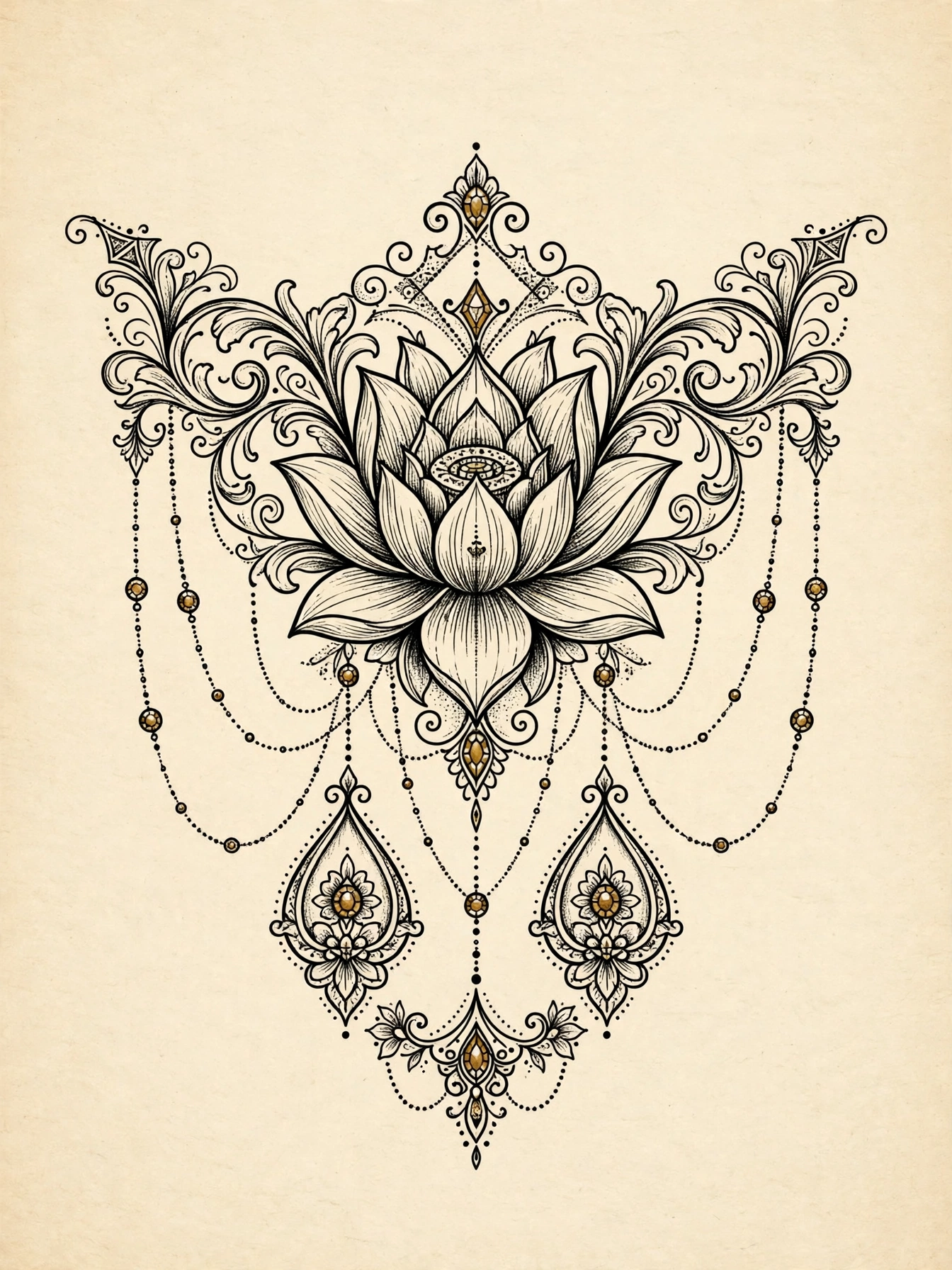
Ornamental tattoos explained — jewellery-like symmetry, dot chains and lace patterns. How the style ages, the placements that suit it, and design ideas to take to your artist.
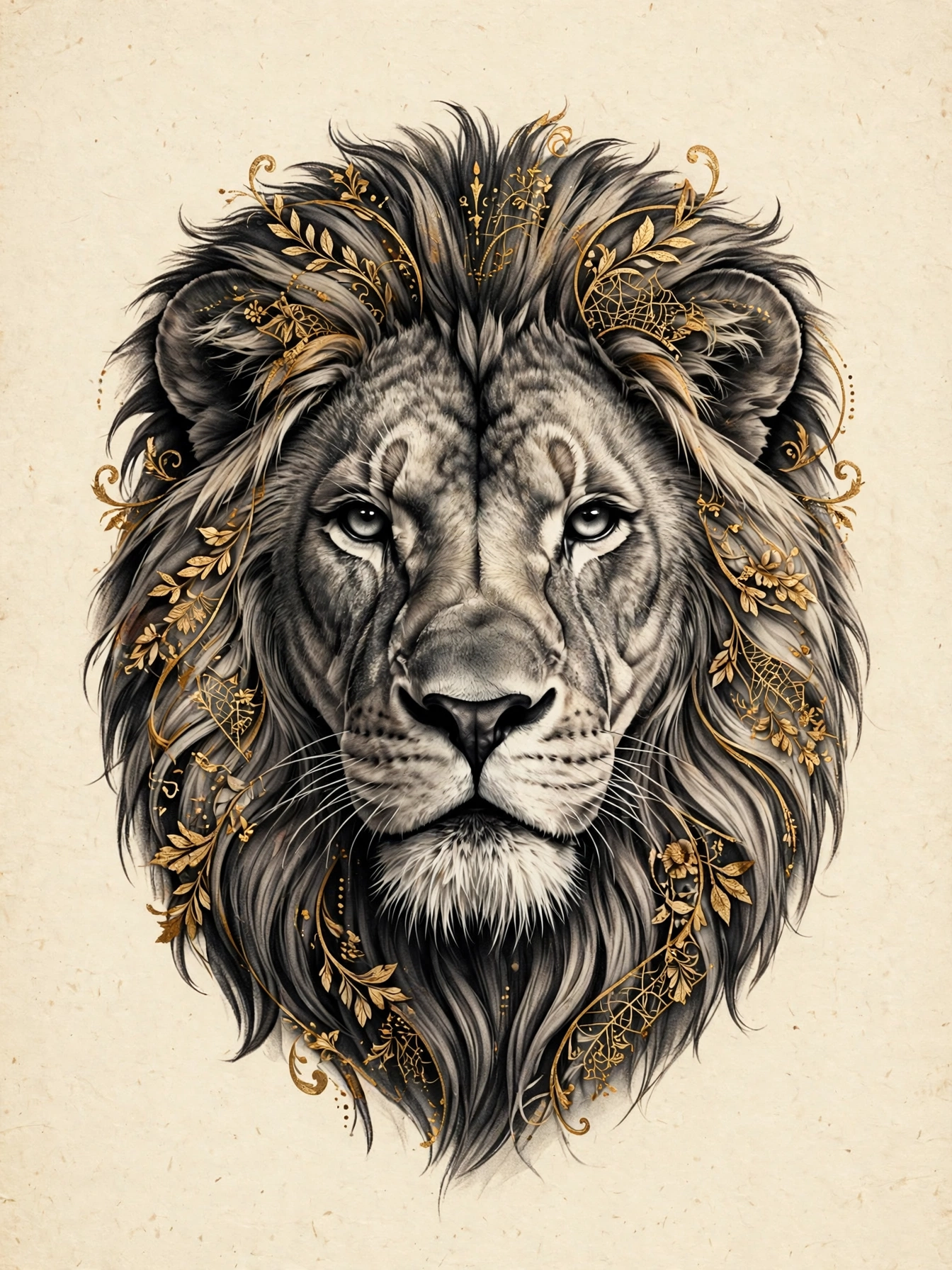
Realism tattoos explained — photographic shading, portraits and lifelike texture. How the style ages, the placements that suit it, and design ideas to take to your artist.
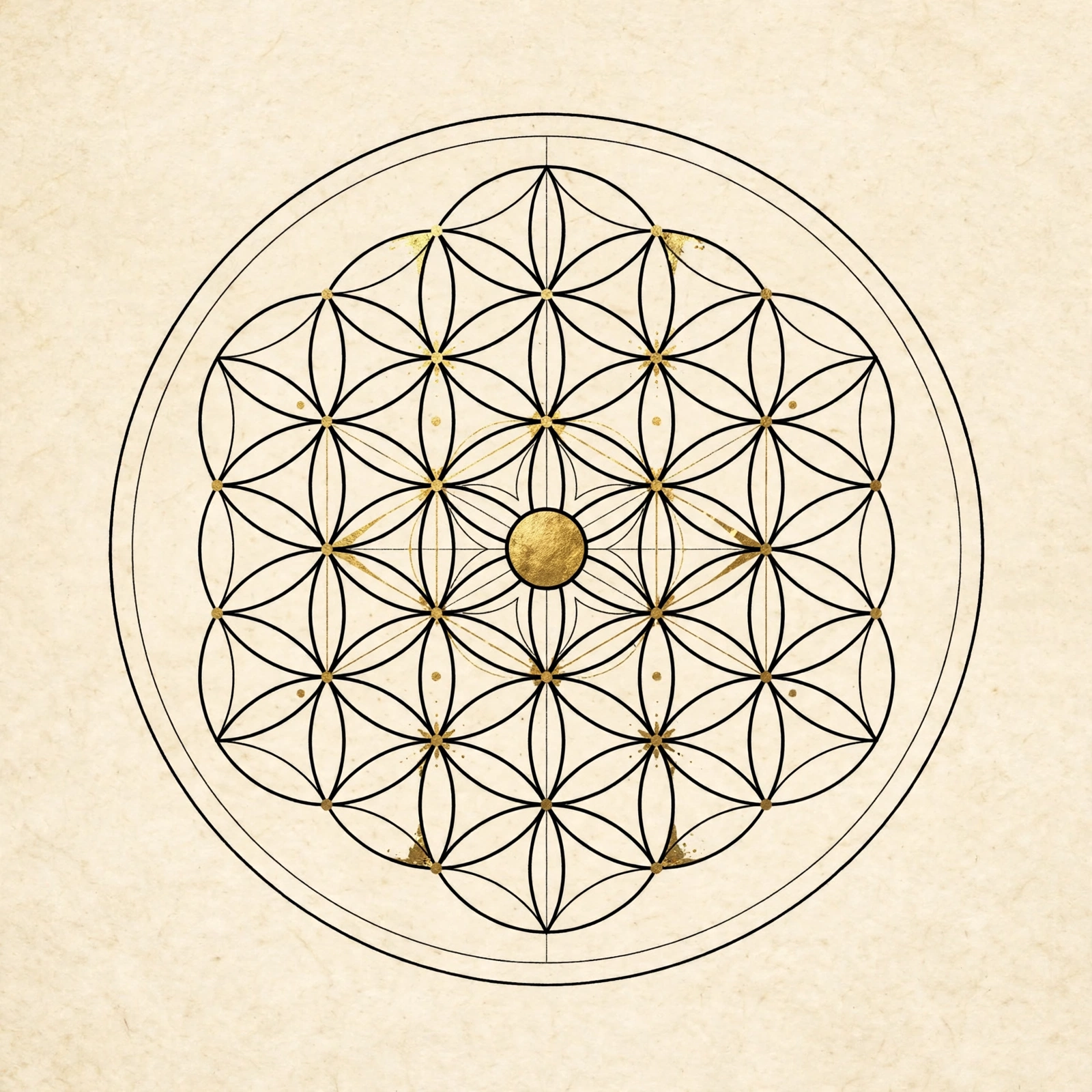
Sacred Geometry tattoos explained — flower of life, metatron and mathematical pattern. How the style ages, the placements that suit it, and design ideas to take to your artist.
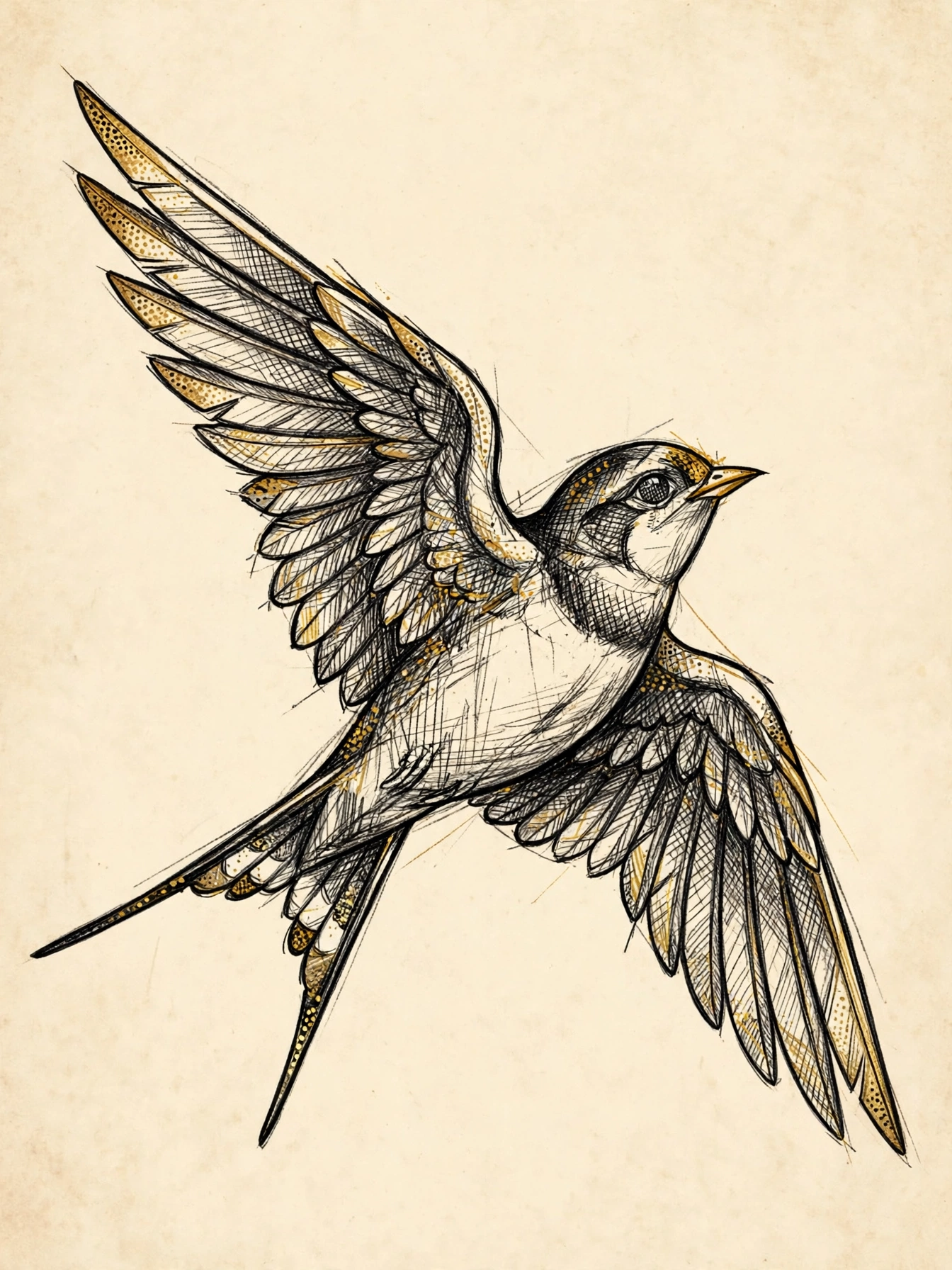
Sketch tattoos explained — raw pencil-energy lines, cross-hatching and unfinished edges. How the style ages, the placements that suit it, and design ideas to take to your artist.
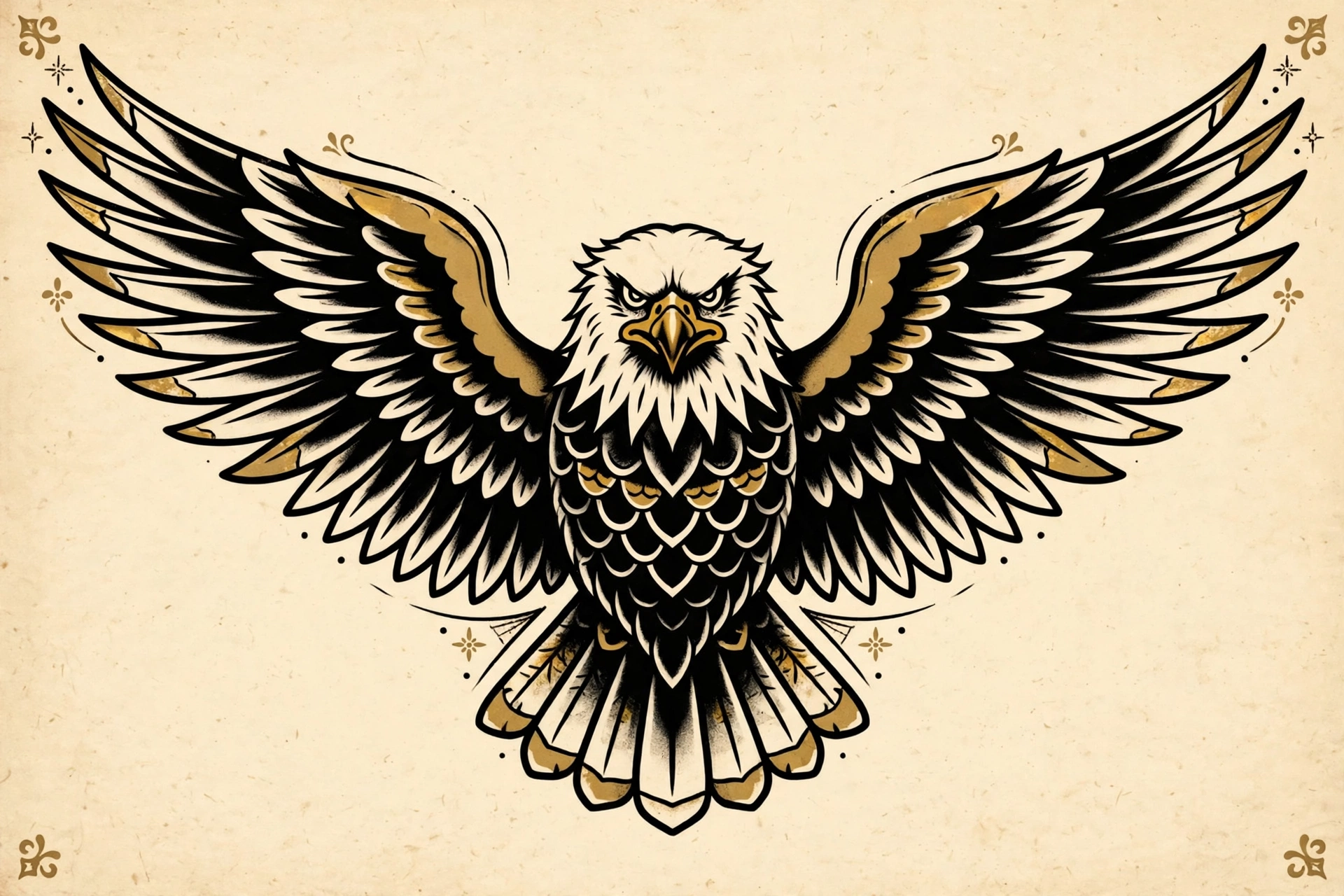
Traditional (Old School) tattoos explained — bold outlines, limited palette and timeless motifs. How the style ages, the placements that suit it, and design ideas to take to your artist.
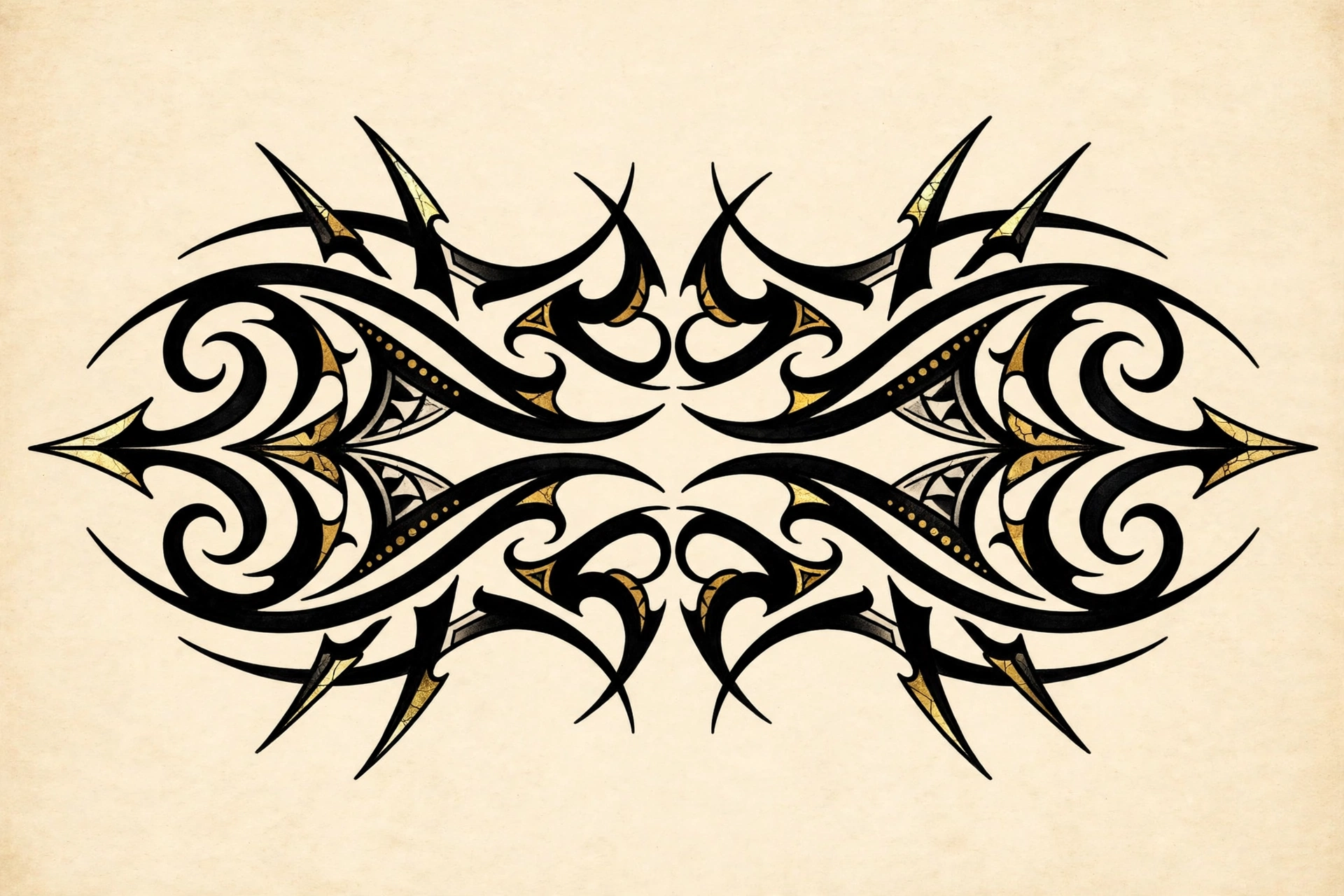
Tribal tattoos explained — bold black flowing shapes rooted in Indigenous traditions. How the style ages, the placements that suit it, and design ideas to take to your artist.

Watercolor tattoos explained — painterly washes and splashes without hard outlines. How the style ages, the placements that suit it, and design ideas to take to your artist.
See also: Tattoo Style Finder Quiz · Tattoo Cost Estimator · Tattoo Ideas.
The generator reads your birth date, your intention and your style, so the design it makes is yours, not a copy of someone else's.
Size (Tiny to Extra Large) and style in, cost range out. Ranges are estimates — an artist quote wins. A 20% tip is shown separately.
All 23 placements from our placement guides — pick a spot, optionally compare a second one, and see its pain range, healing time, fading and size guidance, quoted from the same guide data, with a link to the full placement guide. Ranges only — sources disagree, no single decimal is a fact.
Two sun signs in, an honest reading out — no invented percentages. The tool compares the two signs' elements and ruling planets, tells you where the pairing clicks and where it rubs, and turns it into a matching-tattoo idea with links to both sign guides.
Your Sun, Moon and Rising signs from your birth date and time — all three computed in your browser, with the Moon and Rising honestly labelled approximate. Each sign comes with a short traditional reading and a tattoo angle, plus links to its sign guide and to the wheel and fusion tools.
Tattoo ideas organised by size, style, meaning and your star sign — small designs, ideas for men and women, and celestial art, each one ready to make your own.
What tattoo symbols mean — protection signs, sun, moon, star, lotus, rose, butterfly, phoenix, dragon and snake — the meanings behind each design before you wear it for life.
Learn before you ink: placement guides for small designs, pain and healing guides for every body part, medical tattoo information and cultural symbol guidance — honest, sourced from practice.
Popularity shifts with fashion and differs by city and studio, so there is no honest single answer. Fine line, blackwork and traditional work are consistently requested, but the better question is which style suits your subject, placement and ageing expectations. Choose for your skin, not for a ranking.
Styles with bold outlines, solid contrast and detail sized generously for the placement generally stay readable longest, which is why traditional and blackwork work have such durable reputations. Any style ages better with sun protection, moisturised skin and an artist who designs for healing rather than for photographs.
Yes, and many strong pieces do: linework with watercolour washes, blackwork with dotwork shading, or ornamental framing around an illustrative subject. Keep one style clearly in charge so the piece feels coherent, and choose an artist comfortable in both rather than adequate in each.
It can be, if the design is sized generously, placed somewhere that does not rub constantly, and done by an artist who specialises in it. Go in expecting that hairlines soften over the years and that a future touch-up is normal maintenance, not a sign anything went wrong.
Search portfolios by style rather than by studio, and study healed work above fresh work. Check that the artist regularly posts the style you want, not just one example of it. Then book a consultation, bring references in that style, and listen carefully to their sizing and placement advice.
Indirectly, yes. Time is the main driver, and time-intensive styles such as realism, dotwork and large Japanese work usually need longer or multiple sessions. On this site's estimator, medium designs often fall in the $200-$1000 band and large designs in the $500-$2000 band, before tip and any shop minimum.
AI designs are for inspiration only. Always consult a licensed tattoo artist. Astrology on this site is for inspiration and self-expression. This page does not provide medical advice. Last reviewed: 25 November 2026.