Learn: Tattoo Guides for Planning, Placement and Skin Decisions
Learn before you ink: placement guides for small designs, pain and healing guides for every body part, medical tattoo information and cultural symbol guidance — honest, sourced from practice.
Good tattoo decisions are learned decisions. This learning centre gathers honest guides on placement, pain, healing and fading, medical tattoo information to read before you book, and cultural guidance on symbols that deserve respect, so you can walk into a studio informed rather than hopeful.
Key takeaways
Decide placement with pain, healing, fading and daily life in mind, not looks alone.
Read the medical guide before booking if you have a skin condition, medication or health question.
Every body part has its own placement guide under the tattoos section of this site.
Learn a symbol's cultural roots before wearing it; respect is part of good design.
Key facts
What
What to expect
Guides in this hub
A medical tattoo guide and a cultural and religious tattoo symbols guide, plus placement guides for every body part
Placement guides live at
The tattoos section, organised by body part, covering pain, healing and fading
Small design cost guide
Tiny designs often fall in the $50-$250 band and small designs in the $50-$500 band on the site estimator
Shop minimum
Most shops charge a minimum, usually $80-$150, even for very small work
Important limit
These guides inform your decisions; they are not medical advice, and your clinician and artist advise on your case
How to use this learning centre
Use this hub in the order decisions actually happen: placement first, then pain and healing for that spot, then any medical questions, then the cultural background of your chosen imagery. Each guide is written to answer one stage honestly, without selling you a tattoo or frightening you off one.
Most tattoo mistakes are information mistakes. Someone falls for a design, books quickly, and only afterwards learns that fingers fade fast, that a rib piece breathes with every breath during healing, or that a symbol they admired carries a sacred meaning they knew nothing about. None of that information is hidden. It just tends to live scattered across studio conversations and forums, which is why this centre gathers it into guides you can read in one sitting.
Start with the decision you are actually facing. If you are choosing where a design should live, go to the placement material first, including the detailed guides for individual body parts under the tattoos section. If you already know the spot and are quietly worried about the experience, the pain and healing guides are your next read. Work through the hub in that order and your consultation questions will write themselves.
Two tools on this site pair naturally with the reading. The Tattoo Placement Pain Guide lets you compare body parts before committing, and the Tattoo Aftercare Checklist turns the healing advice into a day-by-day routine once the tattoo exists. Learning first and booking second is the whole philosophy of this hub.
Placement first: the best spots for small designs
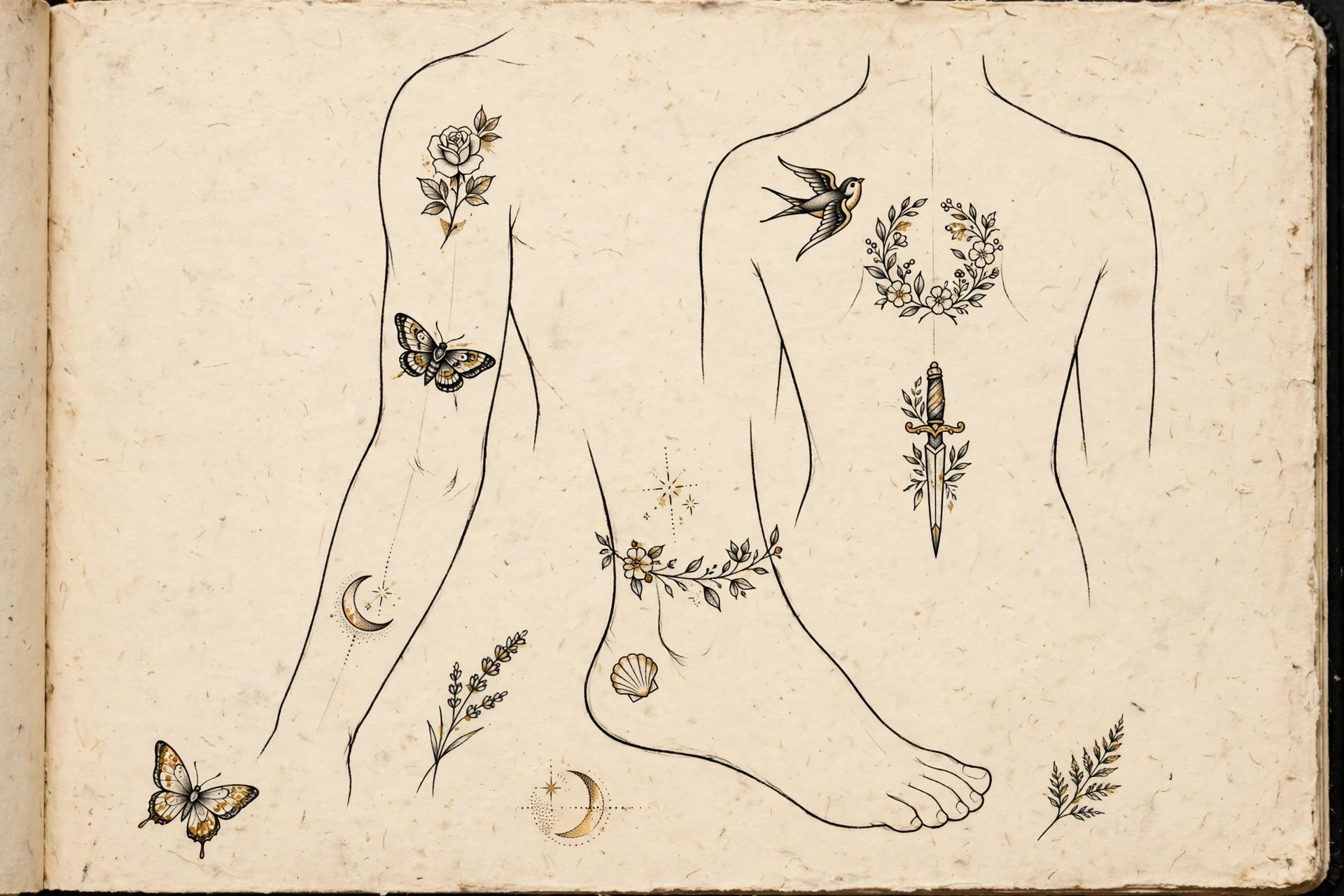
The best spots for small designs are flatter, sheltered areas where skin changes slowly and friction is low, such as the inner forearm, upper arm, ankle and shoulder blade. Small work needs a placement that protects its lines, because tiny detail has the least margin for fading and spread.
Small tattoos live or die by placement more than any other size. A tiny symbol on the inner forearm or just above the ankle sits on relatively stable skin, heals calmly under loose clothing and can be covered or shown as you choose. The same symbol on a finger, the side of the foot or the palm faces constant washing, friction and skin renewal, and will usually soften and fade far sooner. That is not a moral judgement about those placements, just their honest maintenance cost.
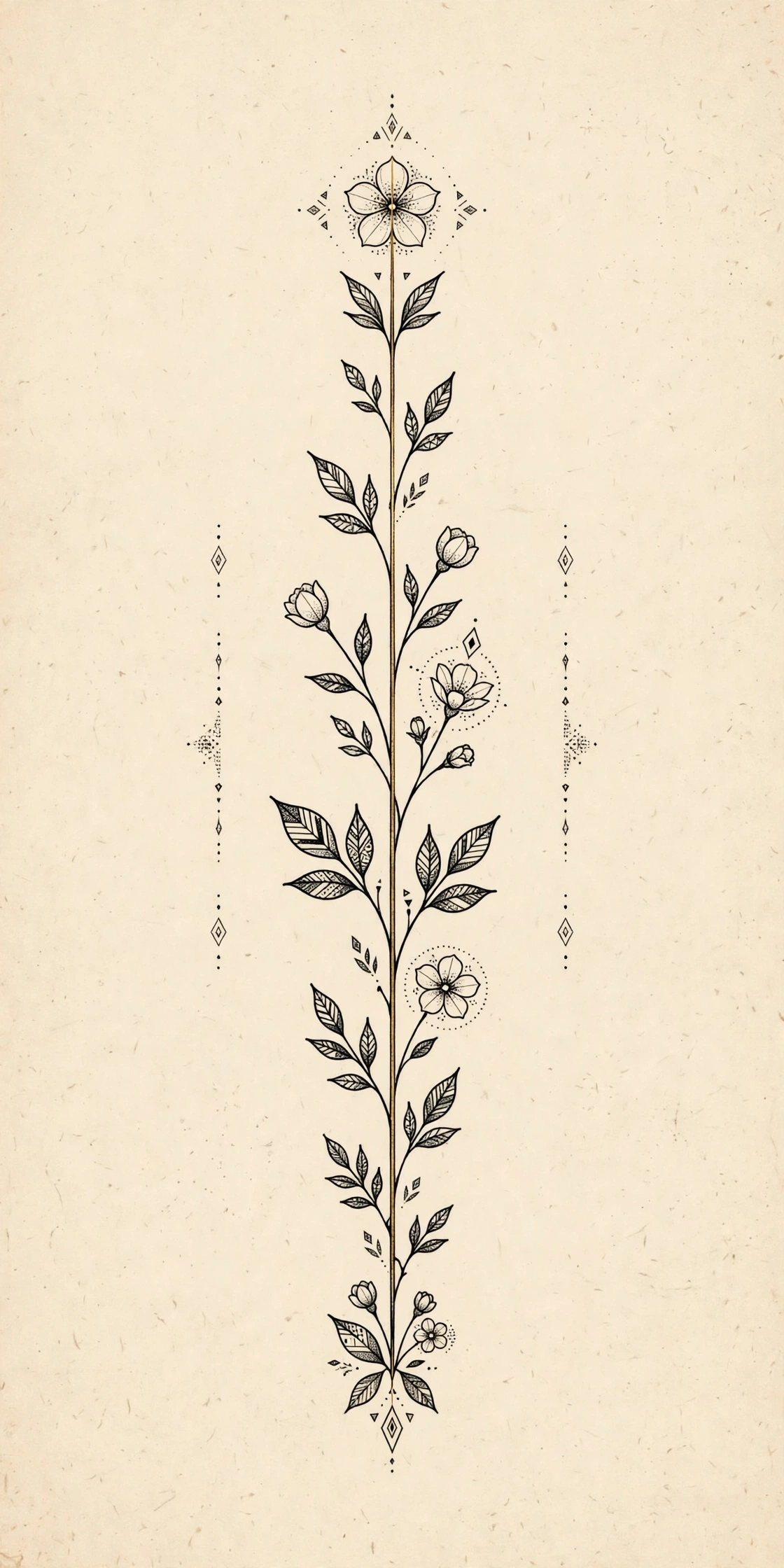
Shape matters as well as surface. Small round designs sit neatly on an ankle bone, a wrist or behind an ear. Small vertical designs, a stem, a word or a moon phase column, follow the inner arm, the spine and the side of the ribs. Ask your artist to draw at the exact size you want and to place a stencil before anyone commits, because a centimetre of position changes how a small piece reads.
The placement guides under the tattoos section go body part by body part, covering where small designs work on each area, what healing is like there and how pieces tend to age. Read the guide for your chosen spot alongside the small tattoo ideas pages, and budget with the estimator in mind: tiny work often falls in the $50-$250 band, with most shop minimums usually between $80 and $150.
Pain, healing and fading — the honest guides
Pain, healing and fading are the three physical truths every tattoo involves. Pain varies by placement and by person, healing takes steady simple care over the first weeks, and all tattoos soften gradually over the years. Knowing what is normal at each stage removes most of the anxiety around getting tattooed.
Honesty about pain helps more than reassurance does. Areas over bone, thin skin and nerve-dense spots, such as ribs, feet, hands and the inner arm, are commonly described as sharper, while fleshier areas like the upper arm and thigh are commonly described as more manageable. Your own sensitivity, sleep, food and stress that day all shift the experience. Eat properly, arrive rested, and tell your artist if you need a pause; pausing is ordinary and no artist worth choosing will mind.
Healing is a routine, not a talent. A fresh tattoo is a wound that needs gentle washing, light moisturising and protection from sun, soaking and friction while the surface closes and settles. Itching and flaking are normal stages; picking is the one habit that genuinely damages results. The aftercare checklist on this site lays the routine out plainly, and your studio's own instructions should always win if they differ, because your artist knows the products they used.
Fading is the long game. Sun exposure is the biggest everyday factor once a tattoo has healed, followed by placement friction and how the work was designed in the first place. Covered placements with bold, well-spaced design tend to change slowest. The guides in this section explain what change is normal, what a touch-up can refresh, and when a change in your skin, rather than the tattoo, is worth showing to a clinician.
Medical tattoo information: read before you book
Medical questions deserve a guide of their own, read before you book rather than asked at the studio door. Skin conditions, allergies, medication, immune health and previous reactions can all change whether, where and when tattooing is sensible. This hub's medical guide organises those questions; your clinician makes the decisions.
The medical tattoo guide in this hub exists for the questions people are often embarrassed to ask out loud. It covers, in plain language, the topics worth raising before booking: eczema, psoriasis and other skin conditions in the area you want tattooed, known allergies to pigments or aftercare ingredients, medication that affects bleeding or immunity, diabetes and healing, keloid scarring history, and what to think about during pregnancy and breastfeeding. It explains why each topic matters so you can have an informed conversation.
Be clear about what the guide is and is not. It is information gathered to help you prepare better questions, written carefully and honestly. It is not medical advice, it cannot assess your personal risk, and it never replaces a clinician who knows your history or an artist assessing your skin in person. Where the guide and your clinician disagree, your clinician is right for you.
The practical habit to build is simple: disclose early. Tell your studio about relevant conditions and medication when you book, not when you sit down, and be willing to postpone if a flare-up, illness or new medication makes the timing wrong. A good studio would rather reschedule you than tattoo skin that is not ready, and an artist who waves away medical questions is giving you useful information about their standards.
Culture and respect: symbols that are not yours to copy blindly
Some of the most beautiful tattoo imagery in the world belongs to living cultures and religions, and borrowing it carelessly can turn a meaningful design into a hurtful one. Learning a symbol's origin, sacred status and traditional rules before you wear it is not a restriction; it is basic respect.
Tattooing itself is a cultural inheritance. Polynesian tribal patterns encode genealogy and status, Japanese irezumi carries centuries of tradition and symbolism, and religious imagery from many faiths is sacred to the people who practise them. When a design is copied purely as decoration, stripped of the meaning that made it powerful, the result can offend the very culture it admires and can embarrass the wearer once they learn what they are displaying.
The cultural and religious tattoo symbols guide in this hub works through the major cases calmly: which symbols are generally shared openly, which are sacred or restricted, which scripts and texts should never be used as ornament, and how traditional designs differ from modern work merely inspired by them. It also covers practical risks people rarely consider, such as wearing religious imagery into places of worship while travelling, or discovering a copied phrase says something entirely different from what was intended.
Respectful alternatives almost always exist. You can work with an artist from the tradition you admire, commission an original design inspired by its visual language without copying protected patterns, or choose imagery from your own heritage and personal story instead. Meaning you have a genuine connection to wears better anyway. That principle runs through this whole site, from the meanings hub to the zodiac pages: symbols matter most when the connection is real.
The designs
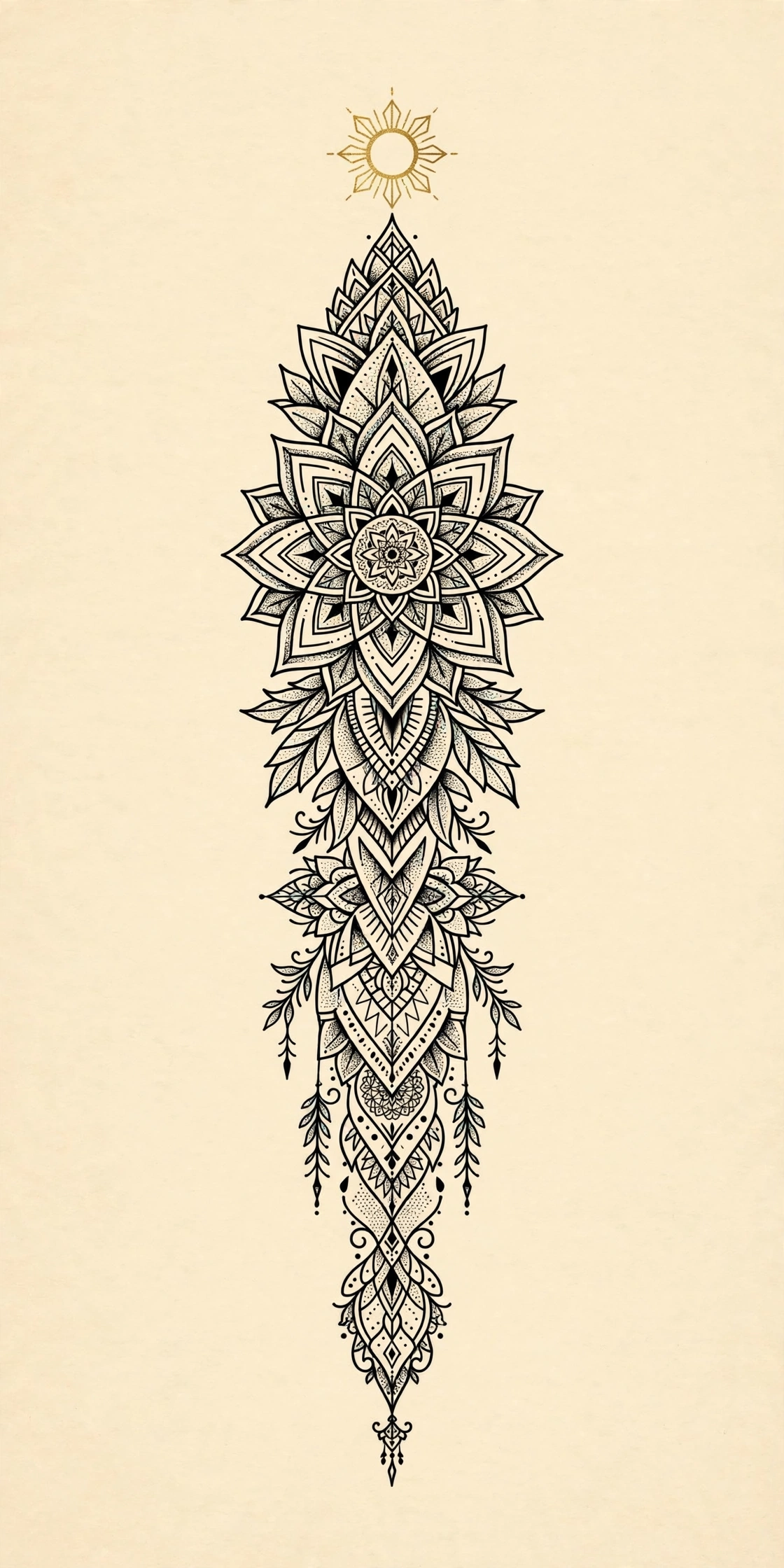
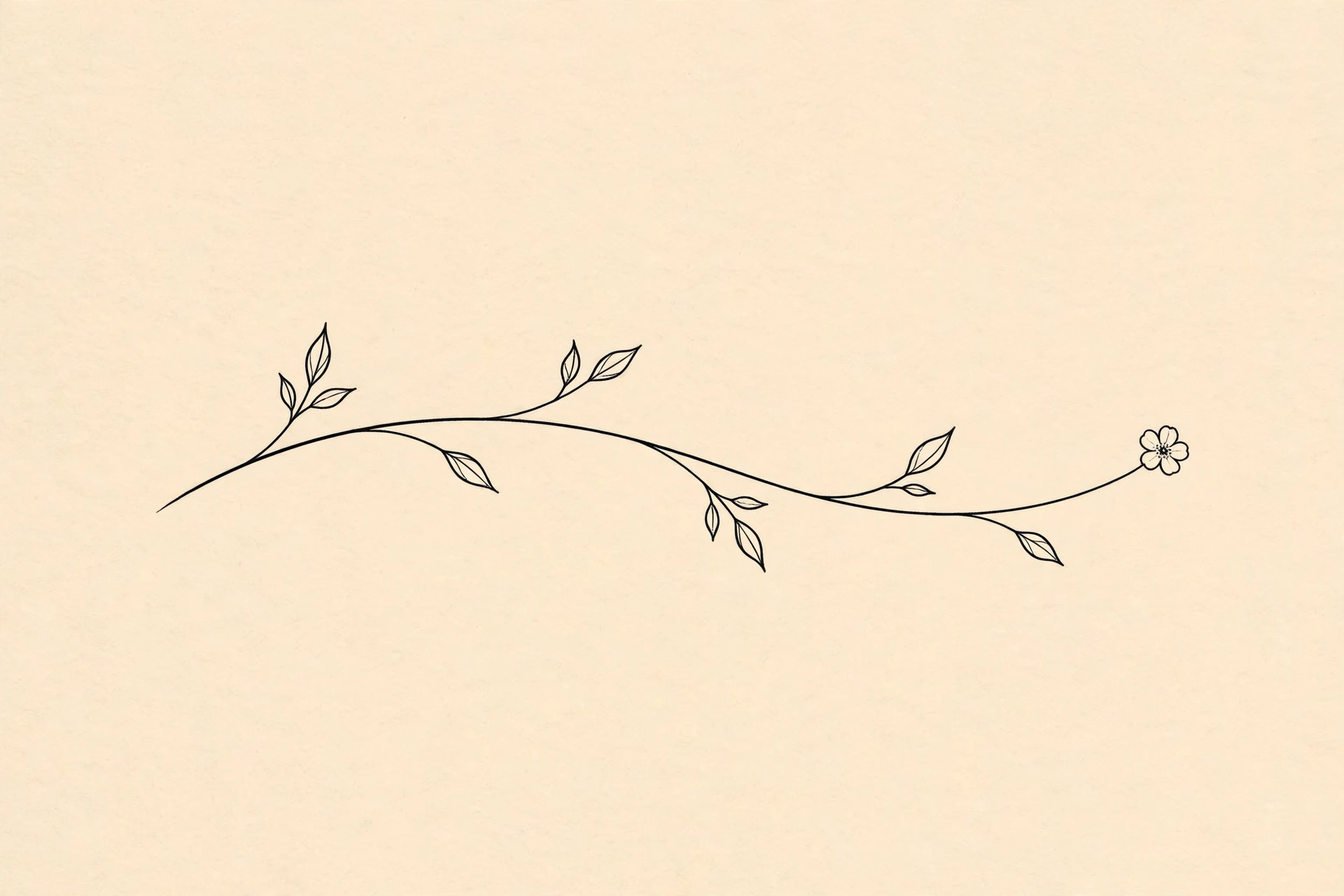
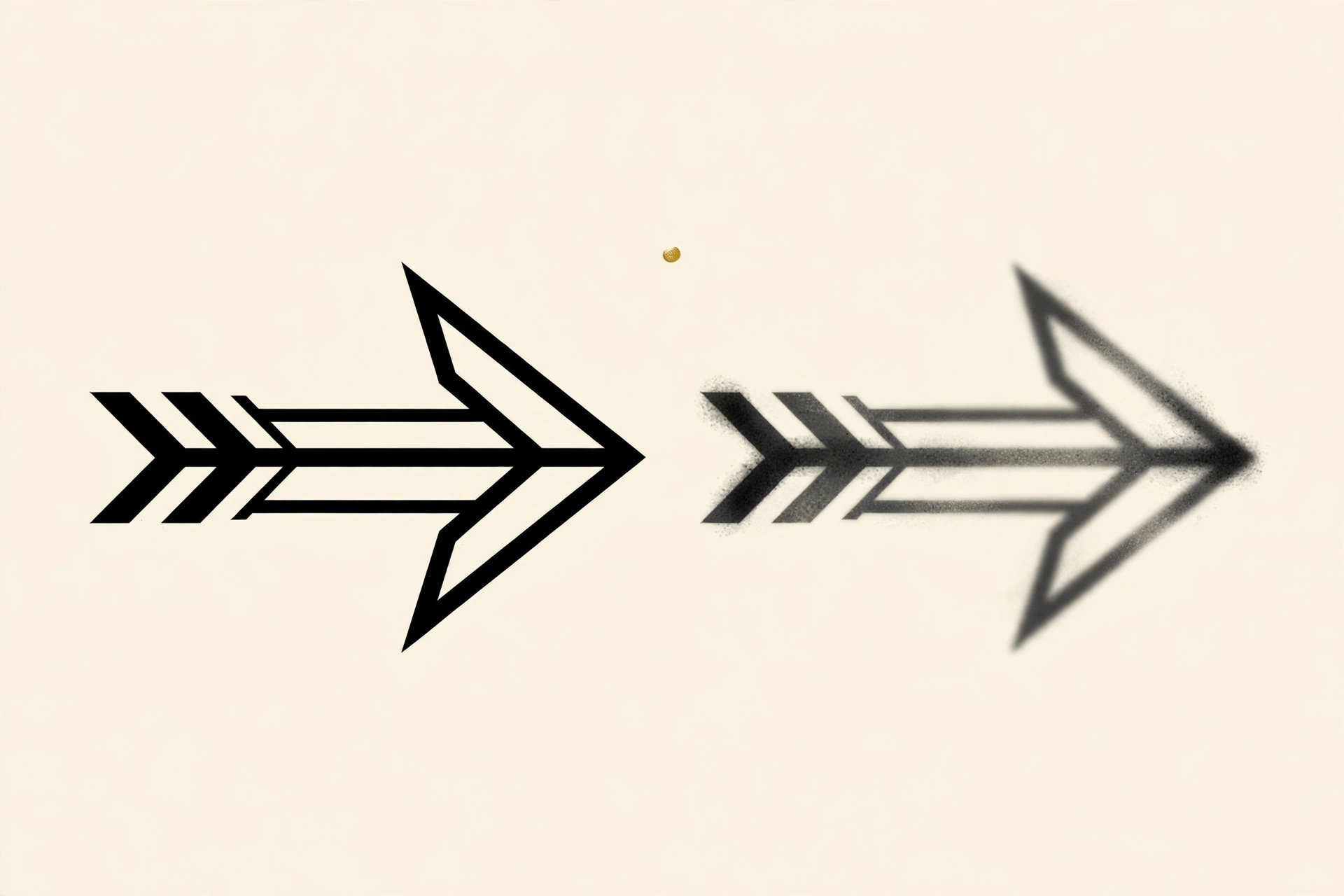
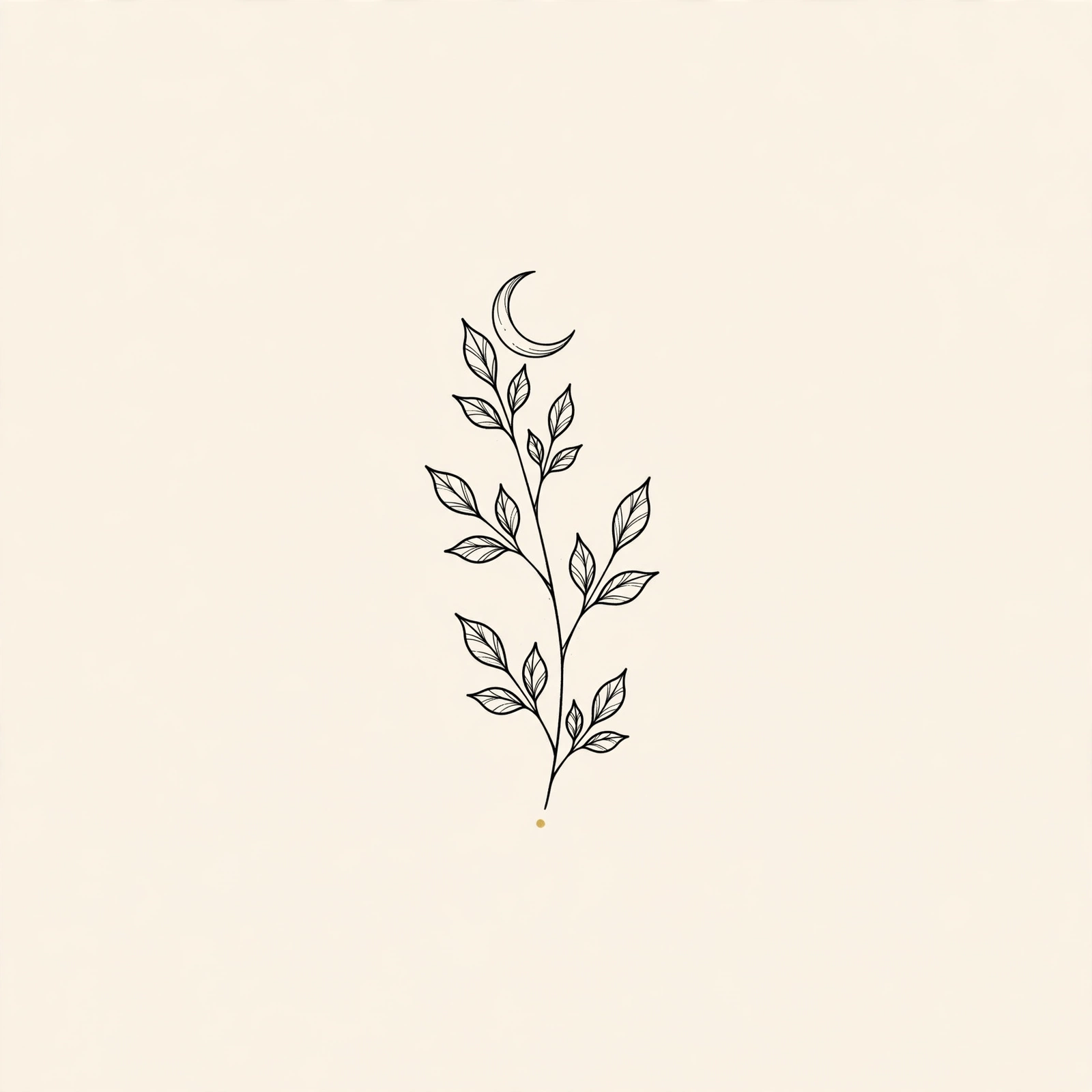
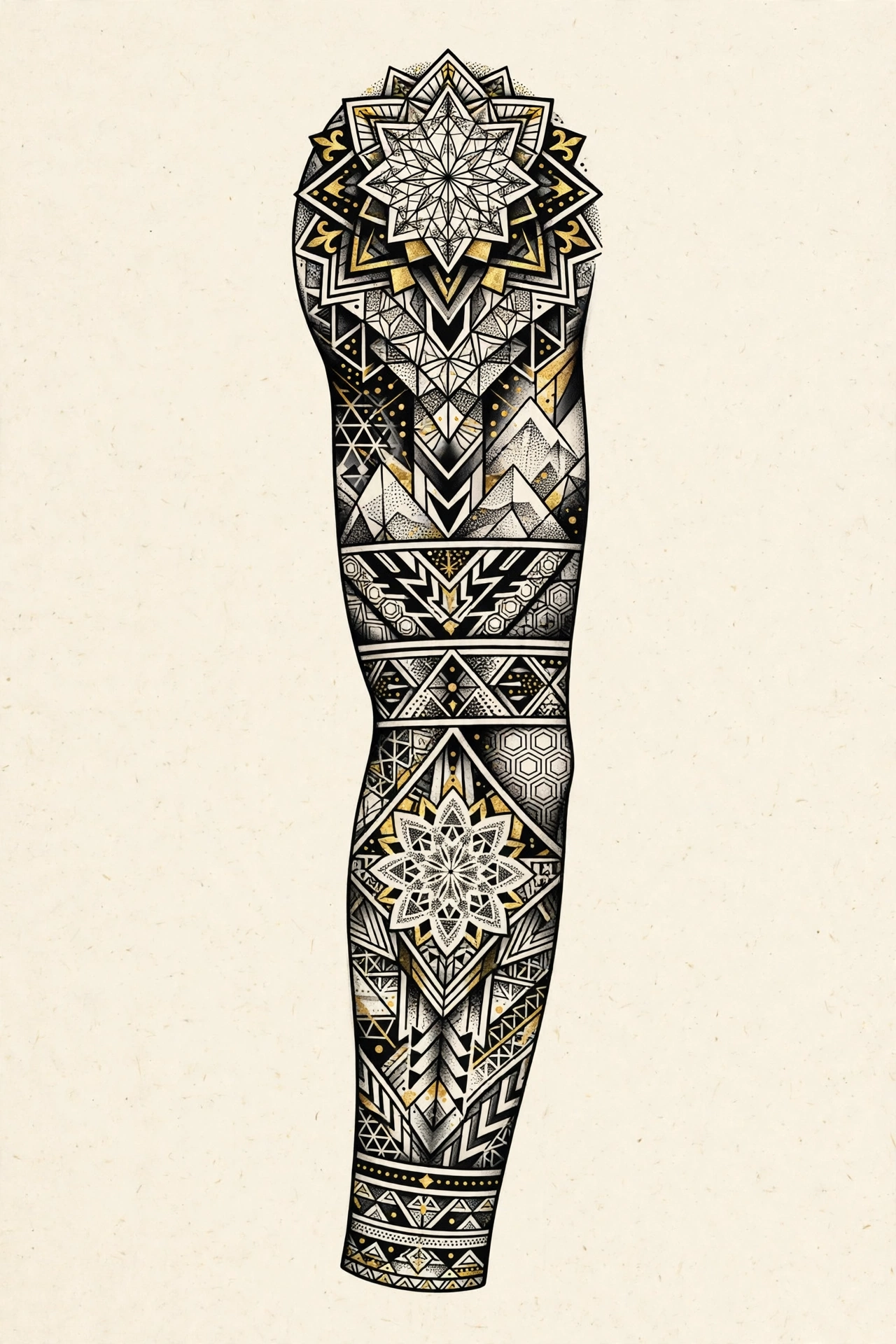
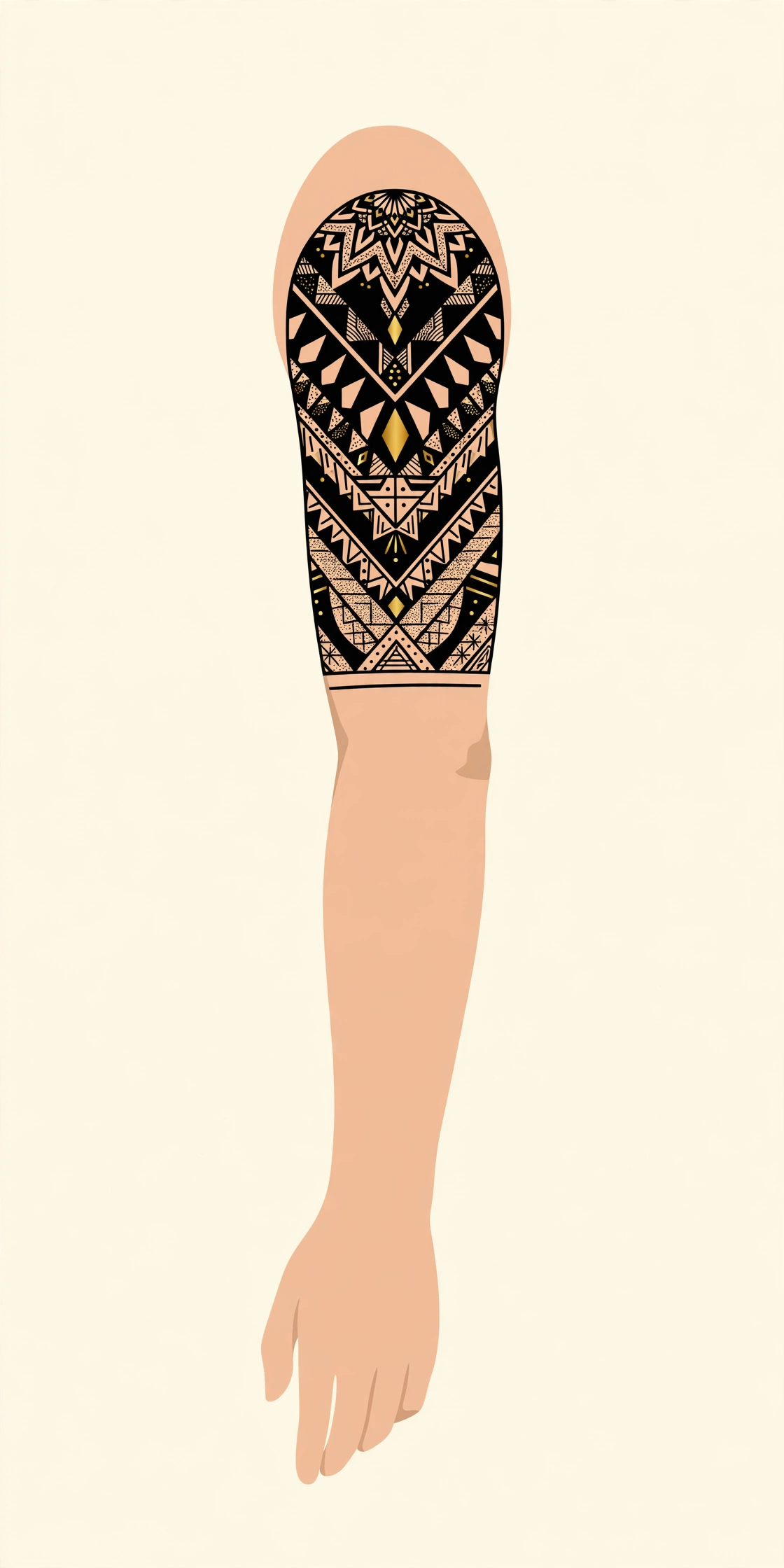
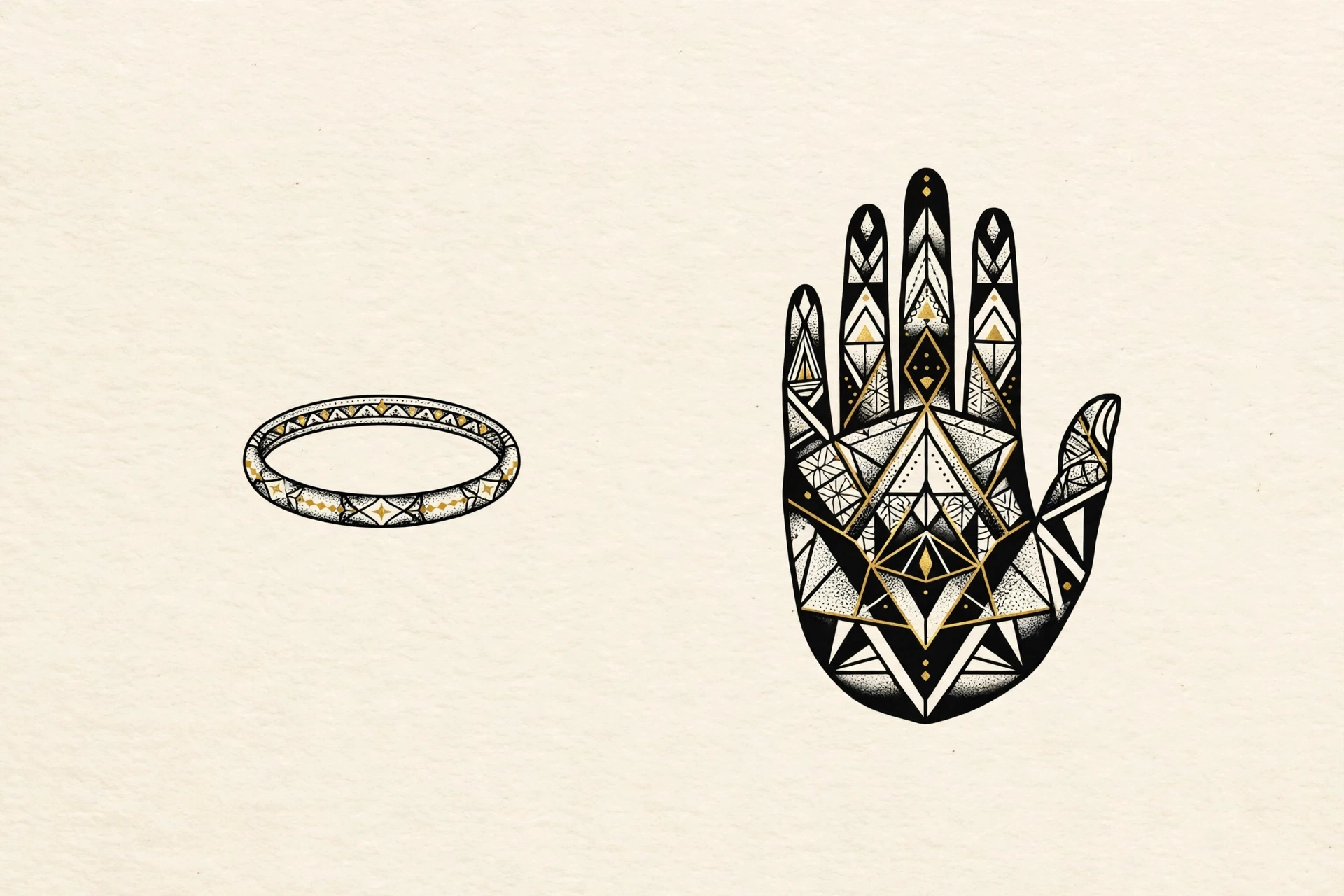
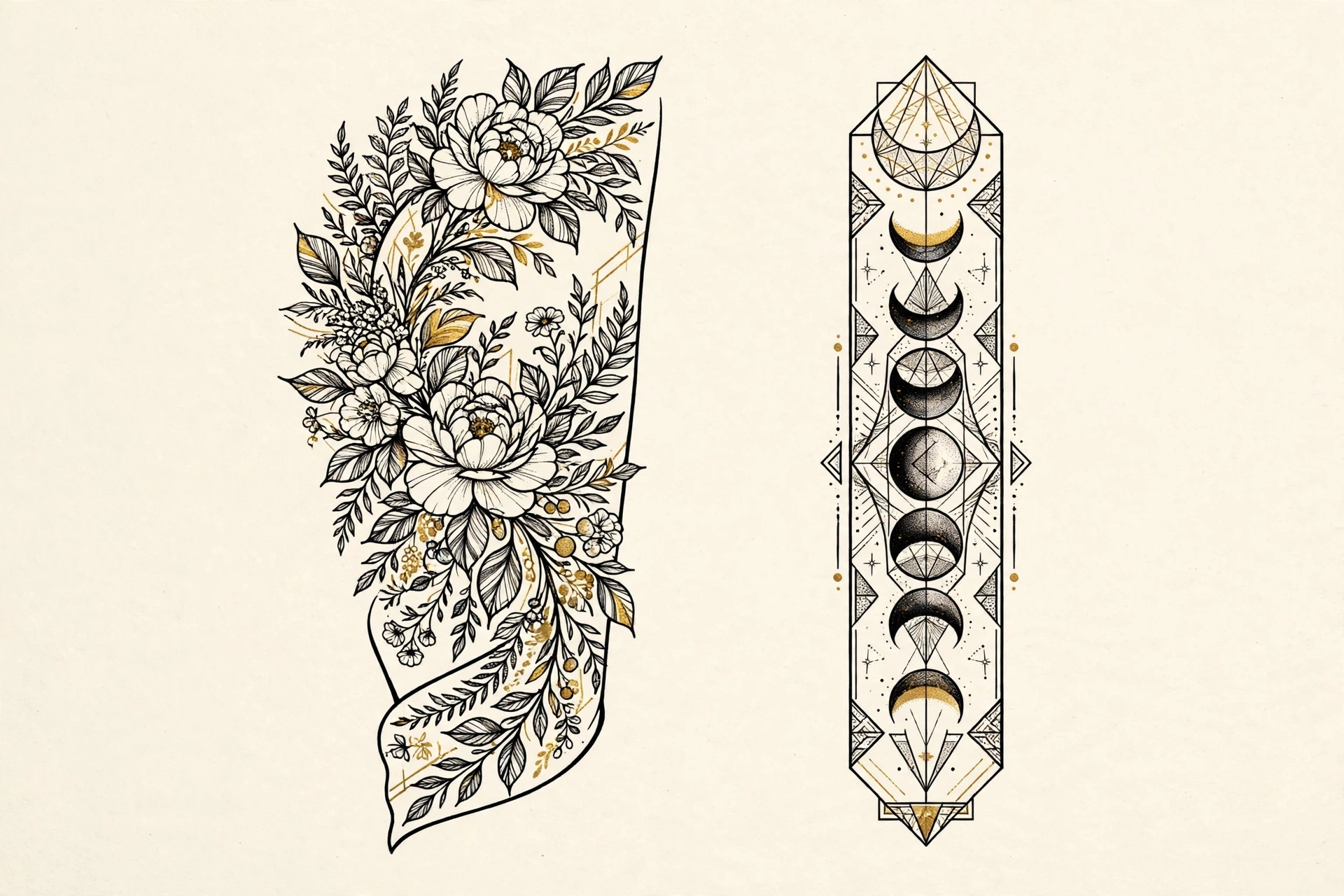
Hero designAI-generated design reference — take it to a licensed tattoo artist.
Guides and learning paths
Start with the two learning paths — medical tattoo information and the cultural symbols respect guide — then use the placement guides: pain, healing, cost and planning guides for every body part, written from the same data as the placement pages themselves.
Medical tattooing explained — areola restoration, vitiligo and stretch-mark camouflage — what these paramedical procedures are, who they are for, the safety gates, and how to find a certified specialist.
Cultural and religious tattoo symbols handled with respect — which symbols carry sacred weight, what to ask before wearing one, and how to honour a tradition instead of copying it blindly.
Ankle tattoo pain explained honestly: a 6.5–7/10 consensus range, why the bone hurts, which ankle spots sting most, and how to get through the session.
Chest tattoo pain explained honestly: a 4–6.5/10 consensus range, why the sternum stings, how breathing affects the session, and how to get through it.
Collarbone tattoo pain explained honestly: high pain along the bone, why thin skin and vibration make it sting, and how to get through the short session.
Elbow tattoo pain is high at 8/10 (consensus range, sources disagree): thin skin over bone that bends all day. What hurts most, and how to get through it.
Half vs full sleeve tattoo: cost, hours, sessions and pain compared. A full sleeve is $2,000–$12,000; a half sleeve costs less and skips the sorest zones.
Spine tattoos for women: long vertical designs, honest pain guidance, healing times and the sizes that suit a narrow spine. Plan yours with confidence.
All 23 placements from our placement guides — pick a spot, optionally compare a second one, and see its pain range, healing time, fading and size guidance, quoted from the same guide data, with a link to the full placement guide. Ranges only — sources disagree, no single decimal is a fact.
Two sun signs in, an honest reading out — no invented percentages. The tool compares the two signs' elements and ruling planets, tells you where the pairing clicks and where it rubs, and turns it into a matching-tattoo idea with links to both sign guides.
Your Sun, Moon and Rising signs from your birth date and time — all three computed in your browser, with the Moon and Rising honestly labelled approximate. Each sign comes with a short traditional reading and a tattoo angle, plus links to its sign guide and to the wheel and fusion tools.
Tattoo ideas organised by size, style, meaning and your star sign — small designs, ideas for men and women, and celestial art, each one ready to make your own.
Twenty tattoo styles explained in plain language — fine line, blackwork, traditional, realism, watercolor and more — how each one ages, where it sits best, and how to choose.
What tattoo symbols mean — protection signs, sun, moon, star, lotus, rose, butterfly, phoenix, dragon and snake — the meanings behind each design before you wear it for life.
Which tattoo placement hurts the least for a first tattoo?
Fleshier areas with fewer nerve endings close to the surface, such as the outer upper arm and the thigh, are commonly described as the most manageable. Pain is personal, though, so treat comparisons as a rough map. Eat, sleep and choose a size and session length you can sit through calmly.
How long does a tattoo take to heal?
The surface usually closes within the first couple of weeks, while deeper settling continues for longer, and exact timing varies by placement, size and your own body. Follow your studio's aftercare instructions and the checklist on this site, keep the area clean and protected, and ask your artist if anything looks or feels wrong.
Can I get tattooed if I have a skin condition?
Sometimes, and sometimes not over affected skin or during a flare-up. It depends on the condition, the placement and your clinician's view. Read the medical guide in this hub to prepare your questions, disclose the condition to your studio when booking, and let medical advice, not enthusiasm, make the final decision.
Why do tattoos fade, and can I slow it down?
Ink sits in skin that is constantly renewing, and sunlight breaks pigment down over time, so gradual softening is normal for every tattoo. You can slow it noticeably with sun protection on healed tattoos, good moisturising habits and choosing placements and designs with enough contrast and spacing from the start.
Is it disrespectful to get a tattoo from another culture?
It depends entirely on the imagery. Openly shared art forms are different from sacred, ceremonial or status-based designs that a culture considers restricted. The cultural symbols guide in this hub explains the main distinctions. Research first, credit and consult artists from the tradition, and avoid sacred imagery as decoration.
What should I learn before booking my first tattoo?
Four things: the placement guide for your chosen body part, what pain and healing realistically involve there, any medical questions that apply to you, and the background of your chosen imagery. Add a healed-portfolio check of your artist and a clear budget, including the shop minimum, and you are properly prepared.
AI designs are for inspiration only. Always consult a licensed tattoo artist. Astrology on this site is for inspiration and self-expression. This page does not provide medical advice. Last reviewed: 25 November 2026.