Tattoo Cost Estimator
Size (Tiny to Extra Large) and style in, cost range out. Ranges are estimates — an artist quote wins. A 20% tip is shown separately.
Realism Tattoos · Tattoo Styles
Realism tattoos explained — photographic shading, portraits and lifelike texture. How the style ages, the placements that suit it, and design ideas to take to your artist.
Realism tattoos aim to look like a photograph transferred onto skin, built from smooth shading, soft edges and lifelike texture rather than bold outlines. Done well by a specialist, at a generous size, on flat calm skin, a realism piece can be breathtaking. Done small, cheap or rushed, it is the style most likely to disappoint.
This page sits under Tattoo Styles.
Key takeaways
| What | What to expect |
|---|---|
| Line | Minimal or none — edges are made by shading and contrast, not a heavy black outline |
| Colour | Black and grey is the classic form; colour realism exists but demands even more skill to keep lifelike |
| Aging | Soft gradients blur gently over time; contrast fades first, so bold darks and enough size help it last |
| Best placements | Upper arm, forearm, thigh, chest and back — large, flat, low-stretch areas that hold detail |
Realism is defined by photographic tone: smooth gradients, soft edges, accurate light and shadow, and textures like fur, skin, metal or water rendered as they appear in life. There is little or no bold outline. Instead, contrast does the work, which is why the artist's shading skill matters more here than in almost any other style.
Look closely at a good realism piece and you will not find the thick black contour you see in traditional work. A lion's mane is built from hundreds of fine tonal shifts, an eye catches light because a tiny highlight was left as bare skin, and a portrait reads as a face because the shadows fall exactly where they would in a photograph. The drawing underneath still matters enormously, but it is hidden inside the shading.
That is also why realism is a specialist discipline rather than a general skill. An artist who is excellent at bold linework is not automatically good at realism, and the healed results are what you should judge, not fresh photos. Fresh realism always looks smoother and darker than it will once healed, so ask to see healed work at a similar size and subject before you commit.
Realism ages by softening. Because the image depends on gentle gradients rather than strong outlines, those gradients gradually blur and the lightest tones fade first, so fine detail and subtle contrast are lost over the years. A piece designed with strong dark values, clear separation between light and shadow, and enough size ages far more gracefully.
Every tattoo spreads slightly and loses some sharpness as the skin renews itself, but realism feels that change most because so much of the image lives in delicate mid-tones. A whisker that was crisp at first can merge into the fur around it, and a soft background can drift toward the same grey as the subject if the contrast was too low to begin with.
You can plan for this honestly. Go larger than your first instinct, let your artist push the darks darker than looks necessary on day one, and keep the most important detail — eyes in a portrait, for example — big and clear. Sun protection helps any tattoo, and it matters especially here, because faded contrast is very hard to restore without a skilled touch-up session.
The best placements for realism are large, flat and relatively still: the outer upper arm, forearm, thigh, chest and upper back. These areas give the artist a smooth canvas, distort the image least when you move, and offer the size photographic detail needs. Curved, bony or constantly stretching skin works against the illusion.
A portrait or animal face needs room to breathe. On the upper arm or thigh, the design can sit at a size where eyes, fur and texture stay separate instead of crowding together. Flat areas also keep the stencil honest — a face wrapped tightly around a wrist or ankle warps every time the joint bends, and realism forgives distortion less than any other style.
Think about movement as well as size. Skin over the ribs, stomach and inner joints stretches and compresses a lot through the day, which softens fine shading faster. If your heart is set on a smaller or more mobile spot, talk to your artist about simplifying the design — fewer tiny details, stronger shapes — rather than shrinking a complex photograph down and hoping for the best.
Realism usually means longer sittings, because smooth shading is built slowly in layers, and longer sittings cost more. Price it by size using the usual bands, expect a large detailed piece to sit at the top of its band or need several sessions, and treat a very cheap quote as a warning.
On this site's cost bands, a Tiny piece runs $50–250, Small $50–500, Medium $200–1000, Large $500–2000 and Extra Large $500–2000, with a shop minimum usually $80–$150. Realism rarely belongs in the tiny category at all — the detail simply does not fit — so most worthwhile realism work starts at medium and rises with the hours of careful shading involved. A tip is normally separate.
For pain, realism is less about sharp line pain and more about endurance: the same area is worked over repeatedly to build tone, and skin can feel raw late in a long session. Fleshy areas like the outer arm and thigh are generally more manageable than ribs or chest. Plan breaks, eat beforehand, and be honest about splitting the work into sessions — a rested artist and a rested client both produce a better healed result.
The strongest realism ideas are subjects with natural texture and clear light: animal portraits, loved faces, hands, flowers with soft petals, water, stone and sky. Choose a reference photograph with strong contrast and one clear focal point, let your artist adapt it for skin rather than copying it exactly, and give the subject enough size to survive healing.
Animals are the most forgiving starting point, because fur, feathers and scales hide tiny imperfections and read beautifully in black and grey. Portraits of people are the most demanding — a millimetre of shading changes an expression — so they belong only with an artist whose healed portrait work you have seen and loved. Still-life subjects like a pocket watch, a rose or a skull sit in between: structured, textured and a little more tolerant.
Bring your artist a few clear reference photos rather than one filtered image, and listen if they suggest cropping tighter, darkening the background or dropping a small element. Those edits are not a lack of ambition. They are how a photograph becomes a tattoo that still reads clearly on a living, moving body years later.
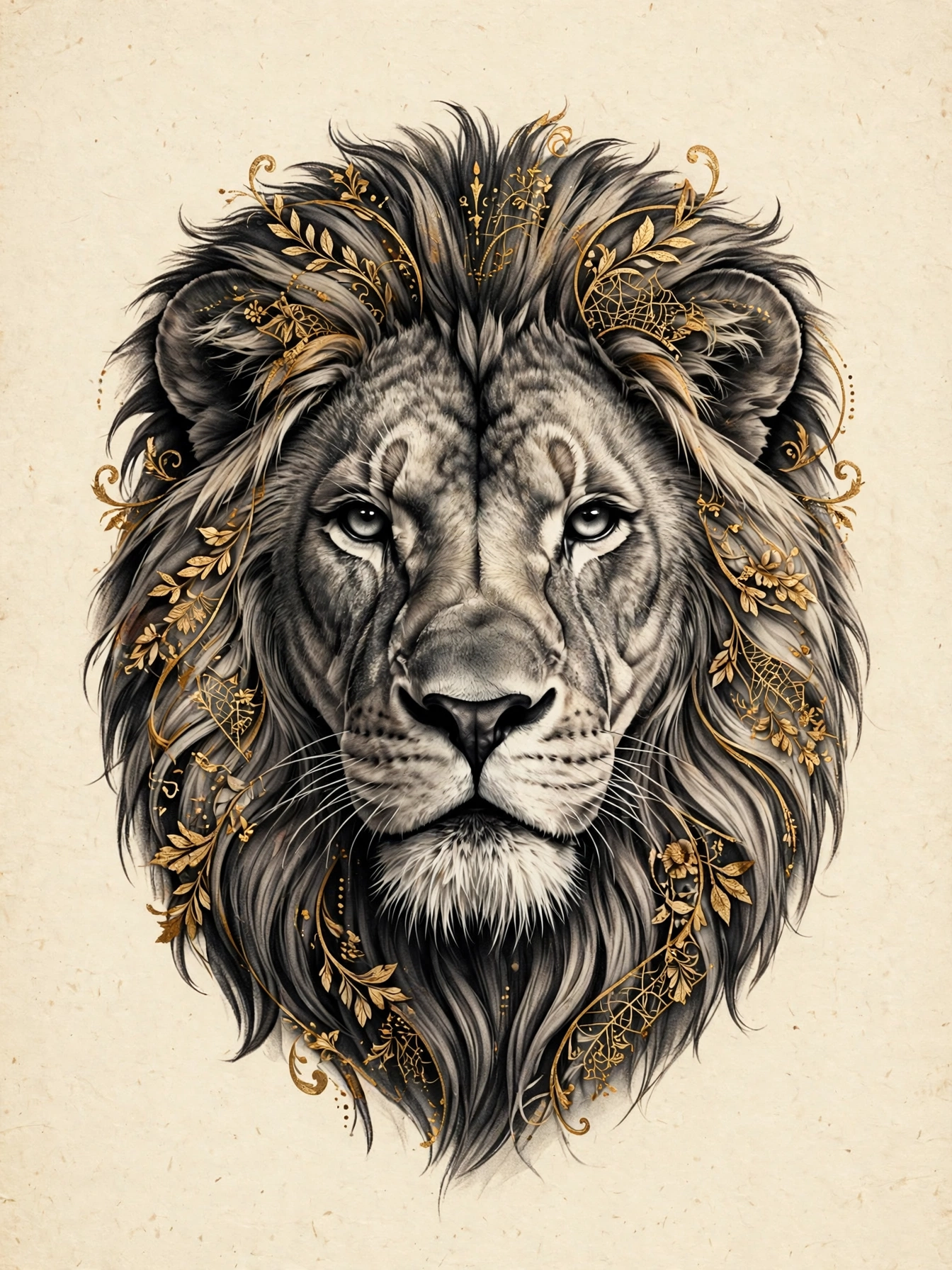
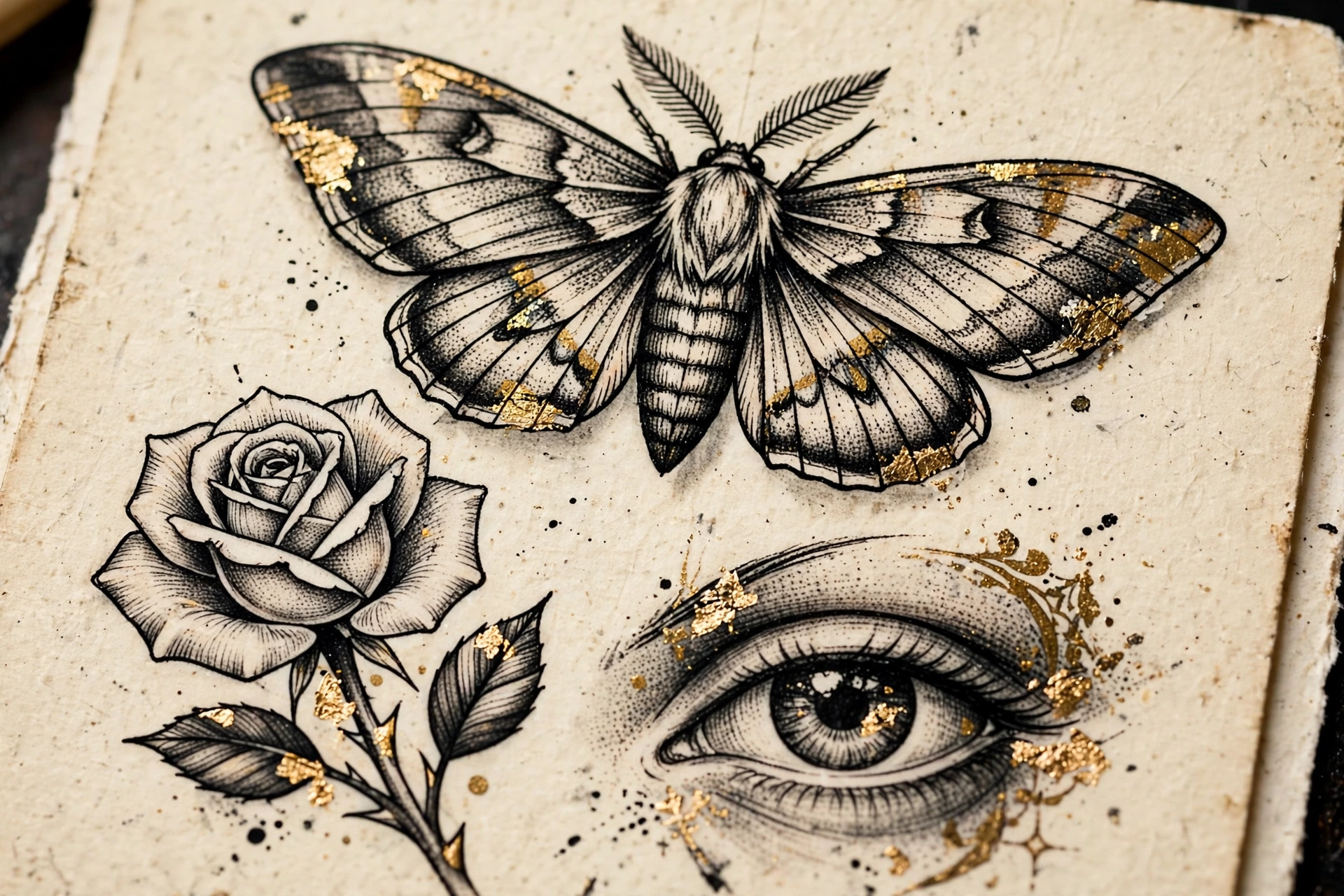
Black and grey lion portrait on the outer upper arm, mane flowing into soft shadow
Realistic rose with water droplets on the forearm, petals in smooth grey tones
Portrait of a loved one on the chest, kept large with strong contrast around the eyes
Owl in flight across the upper back, feather texture built from layered shading
Realistic eye close-up on the inner forearm, small but with one clear, bold focal point
Wolf and forest scene wrapping the thigh, dark trees framing a lighter face
Colour realism koi moving through water on the calf, kept at a generous size
Realistic hands holding a small flower on the sternum or upper arm, gentle and personal
See also: Tattoo Style Finder Quiz · Tattoo Cost Estimator · All Tattoo Styles.
The generator reads your birth date, your intention and your style, so the design it makes is yours, not a copy of someone else's.
Size (Tiny to Extra Large) and style in, cost range out. Ranges are estimates — an artist quote wins. A 20% tip is shown separately.
All 23 placements from our placement guides — pick a spot, optionally compare a second one, and see its pain range, healing time, fading and size guidance, quoted from the same guide data, with a link to the full placement guide. Ranges only — sources disagree, no single decimal is a fact.
Two sun signs in, an honest reading out — no invented percentages. The tool compares the two signs' elements and ruling planets, tells you where the pairing clicks and where it rubs, and turns it into a matching-tattoo idea with links to both sign guides.
Your Sun, Moon and Rising signs from your birth date and time — all three computed in your browser, with the Moon and Rising honestly labelled approximate. Each sign comes with a short traditional reading and a tattoo angle, plus links to its sign guide and to the wheel and fusion tools.
See the full list on the Tattoo Styles main page.
Ornamental tattoos explained — jewellery-like symmetry, dot chains and lace patterns. How the style ages, the placements that suit it, and design ideas to take to your artist.
Sacred Geometry tattoos explained — flower of life, metatron and mathematical pattern. How the style ages, the placements that suit it, and design ideas to take to your artist.
Neo-Traditional tattoos explained — traditional bones with a wider palette and softer shading. How the style ages, the placements that suit it, and design ideas to take to your artist.
Sketch tattoos explained — raw pencil-energy lines, cross-hatching and unfinished edges. How the style ages, the placements that suit it, and design ideas to take to your artist.
No, colour realism exists and can look extraordinary, but it is harder to keep lifelike as colours fade at different rates. Black and grey is the more forgiving and more commonly recommended starting point, especially for a first large piece.
Smaller than you hope, honestly. The photographic detail that defines the style needs physical room, so most artists will push you toward at least a medium size. A tiny realism piece usually heals into a soft blur that no longer reads as the subject.
Judge healed work, not fresh photos, and look for healed pieces with your kind of subject at your kind of size. Smooth gradients, clear eyes and contrast that survived healing are the signs you want. If an artist mostly shows other styles, keep looking.
It may, especially in the lightest tones, and many people plan a refresh session years later to restore contrast. Good initial design — strong darks, enough size, sensible placement — reduces how much it will need and how soon.
Use size as your guide: Medium pieces run $200–1000 and Large pieces $500–2000 on the usual bands, with detailed realism often toward the top of a band because of the long shading time involved. Get a quote based on your actual design, size and placement.
The sensation is more about length than intensity. Shading passes over the same skin repeatedly, so a long session can feel increasingly raw. Fleshy, flat placements are generally easier to sit for, and splitting a big piece into sessions is completely normal.
AI designs are for inspiration only. Always consult a licensed tattoo artist. Astrology on this site is for inspiration and self-expression. This page does not provide medical advice. Last reviewed: 25 November 2026.