Medical Tattoo Guide: Information Before Any Decision
Medical tattooing explained — areola restoration, vitiligo and stretch-mark camouflage — what these paramedical procedures are, who they are for, the safety gates, and how to find a certified specialist.
Guides inside
3
FAQs answered
6
Designs shown
1 AI-generated reference
Last reviewed
25 November 2026
Medical tattooing is not ordinary tattooing with a serious name. It covers areola restoration after breast surgery, camouflage for stable vitiligo, and pigment work over stretch marks — procedures carried out by certified specialists, with a doctor involved in the decision. Here: what each involves, who it may suit, and the gates that come first — information and referral only.
This page is general information only and is not medical advice. Medical tattooing decisions belong with your doctor or dermatologist and a certified paramedical tattoo specialist who has examined your skin in person. Nothing on this page promises or predicts a result.
Key takeaways
Medical tattooing is paramedical work: it belongs with certified specialists, not a general tattoo studio.
Every procedure here has safety gates — timing, skin stability and medical clearance come before any appointment.
This site gives information and referral guidance only; it does not design medical tattoos or promise results.
Your doctor or dermatologist is part of the decision, not an optional extra.
Key facts
What
What to expect
What it is
Paramedical tattooing: pigment placed in the skin to restore appearance after surgery or to blend areas of changed skin
Who does it
Certified paramedical tattoo specialists, often working alongside surgical and dermatology teams
Scar timing
Wait until a scar is fully mature — typically 12–18 months — before any tattooing over it
Keloid rule
Keloid-prone skin and keloid scars are a contraindication — do not tattoo over keloids
First step
A conversation with your doctor or dermatologist, then a consultation with a certified specialist
What 'medical tattooing' actually covers
Medical tattooing, also called paramedical tattooing, uses tattooing equipment and pigment for restorative rather than decorative purposes. It includes recreating the appearance of an areola after breast surgery, blending stable vitiligo patches toward the surrounding skin tone, and softening the contrast of mature stretch marks. It sits between medicine and tattooing, and it deserves the caution of both.
The practical difference is who the work is for and what the skin has been through. A decorative tattoo goes onto healthy, settled skin chosen freely by the client. Paramedical work goes onto skin that has been operated on, has lost pigment, or has changed through scarring and stretching — skin whose behaviour is less predictable and whose owner is often completing a long medical process, not starting a fashion choice.
The techniques differ too. Instead of artwork, the specialist works with skin-tone pigments, soft edges and gradual layering, aiming for the area to look unremarkable rather than eye-catching. That is why the training is separate: a certified paramedical specialist studies scar tissue, pigment behaviour in compromised skin, and when to refuse or postpone work — judgement a decorative portfolio does not teach.
The three procedures in this guide
This guide covers three procedures. Areola restoration recreates the appearance of the areola after breast surgery or reconstruction. Vitiligo camouflage blends stable, non-spreading patches toward the surrounding skin tone. Stretch mark camouflage softens the contrast of mature stretch marks with skin-matched pigment. Each has its own page, its own gates, and its own reasons to wait or walk away.
Areola restoration is the finishing step of breast reconstruction for many people: pigment recreates colour, shape and the visual impression of projection on skin that surgery has left flat or pale. It is performed by certified paramedical artists only, and only once the surgical team confirms healing is complete.
Vitiligo and stretch mark camouflage work differently — nothing is recreated; instead, pigment reduces the contrast between an area of changed skin and the skin around it. Both are conditional. Vitiligo camouflage is only ever discussed for stable vitiligo, because tattooing can trigger new patches. Stretch mark work is only for marks that are fully mature and settled. The detailed pages explain each gate in full.
Safety gates that are not negotiable
Four gates govern everything here. Scars must be fully mature — typically 12–18 months — before any tattooing over them. Keloid-prone skin is a contraindication: do not tattoo over keloids. Vitiligo camouflage is only for stable vitiligo with a dermatologist's agreement, because tattooing can trigger the Koebner phenomenon. Areola restoration happens only once the surgical team confirms healing is complete.
These gates exist because tattooing is a controlled injury, and injured skin answers back. A scar that is still maturing is still changing in colour, texture and strength; pigment placed too early can distort as the scar settles and can complicate the healing that remains. Waiting until the scar is fully mature — typically 12–18 months — is not caution for its own sake; it is the difference between working on a finished surface and a moving one.
Keloid skin answers injury by overgrowing it, which is why keloid-prone skin and keloid scars are a contraindication — tattooing over a keloid risks making the raised tissue worse. Vitiligo has its own version of the same problem: the Koebner phenomenon, where new patches appear at sites of skin injury, which is why active or spreading vitiligo means do not tattoo, full stop. And after breast surgery, only the surgical team can say healing is complete. A specialist who waves any of these gates away is telling you something important about themselves.
Why this site does not design medical tattoos
This site designs decorative tattoos and explains them. Medical tattooing cannot be designed on a screen, because there is no design: there is pigment matched to one person's skin, placed by a specialist who has examined that skin in person, after medical clearance. A generator for it would be irresponsible, so we do not — and we promise no results.
It is worth being plain about what a website can and cannot do here. A website can explain procedures honestly, lay out the gates, and help you find and question a qualified specialist. It cannot assess your scar, judge whether your vitiligo is stable, match pigment to your skin tone, or know what your surgeon intended. Anyone who suggests otherwise — with an app, a quiz or a mock-up — is skipping the steps that make this work safe.
So our role is deliberately narrow: information and referral. Read the page for the procedure you are considering, take its questions to your doctor and to a certified paramedical specialist, and let the people who can actually see your skin make the judgements with you.
How to find a certified paramedical specialist
Start with referral, not search results. Ask your surgical team, dermatologist or doctor who they send patients to — paramedical specialists often work through these channels. Then verify: paramedical certification, experience with your specific procedure, a clinical setting, and a consultation process that includes medical clearance. Anyone who promises a result, or books you without questions, is a red flag.
At consultation, a good specialist examines the area, takes a history, explains what pigment can and cannot do on your skin, and is comfortable saying not yet or not at all. Ask about their training and certification in paramedical work specifically, how they handle skin that reacts unexpectedly, whether they require written clearance from your doctor or surgical team, and what follow-up looks like. Take notes, and feel no pressure to decide on the day.
Be wary of decorative studios adding medical work as a sideline without paramedical training, of portfolios built on other people's photographs, and of anyone advertising guaranteed outcomes. This field runs on referral and reputation within medical teams; the specialist your surgeon trusts with their patients has already passed the hardest review there is.
The designs
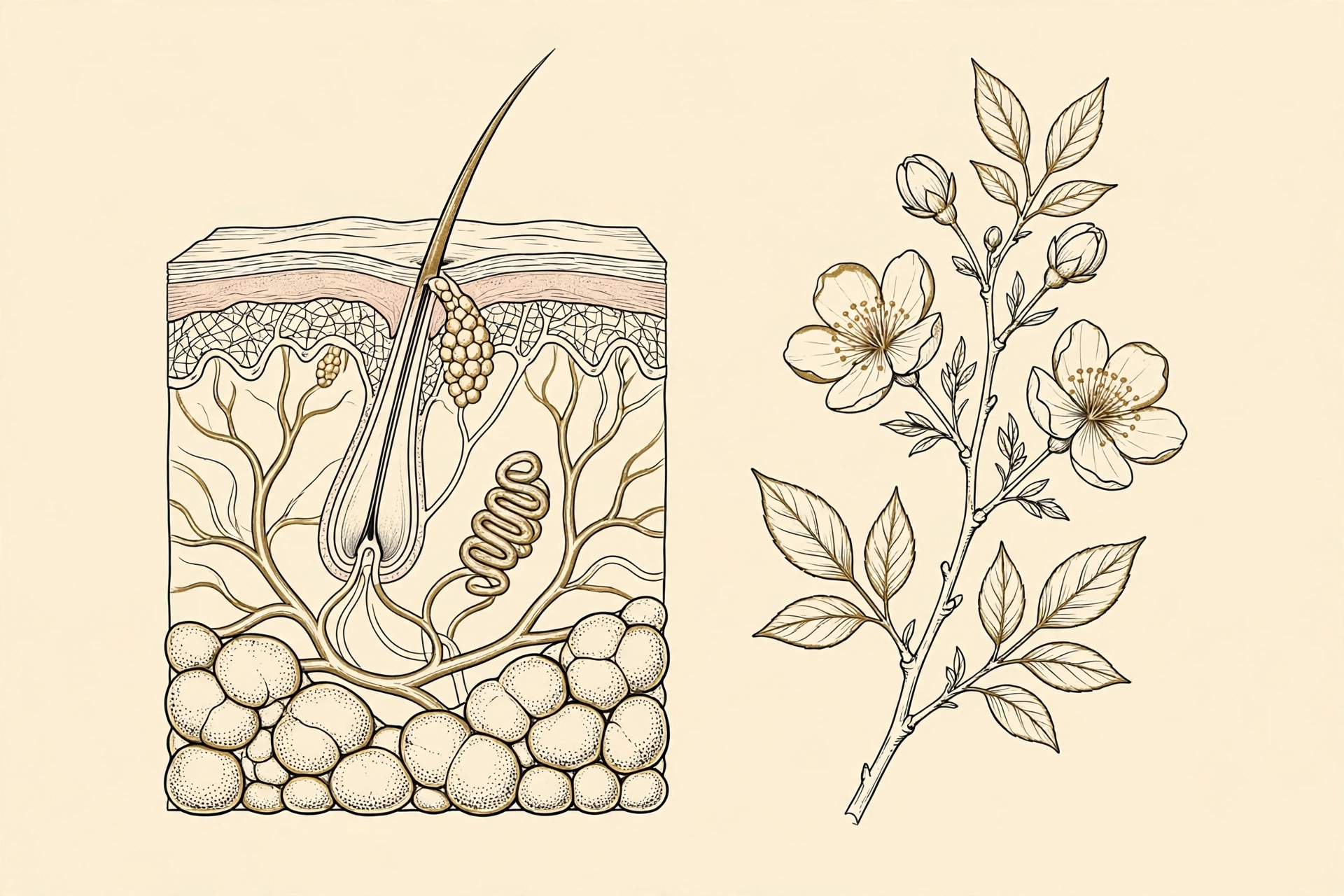
IllustrationIllustration for information only — not a result, a prediction or a before/after image.
The three procedures
Information only — what each procedure is, who it may suit, the safety gates, and how to find a certified paramedical specialist.
Areola Restoration explained as information only — what the paramedical procedure involves, who it may suit, the safety gates and risks, and how to find a certified specialist. Not medical advice.
Vitiligo Camouflage explained as information only — what the paramedical procedure involves, who it may suit, the safety gates and risks, and how to find a certified specialist. Not medical advice.
Stretch Mark Camouflage explained as information only — what the paramedical procedure involves, who it may suit, the safety gates and risks, and how to find a certified specialist. Not medical advice.
Finding a specialist: medical tattooing is paramedical work. Look for a certified paramedical tattoo specialist, ask which certification body trained them, and confirm your surgical or dermatology team is happy for you to proceed before you book anything.
Cultural and religious tattoo symbols handled with respect — which symbols carry sacred weight, what to ask before wearing one, and how to honour a tradition instead of copying it blindly.
The equipment is related, but the work is not. Medical tattooing is paramedical: skin-tone pigment placed on post-surgical, depigmented or scarred skin by a certified specialist, usually with medical clearance. It is restorative, not decorative, and it follows stricter gates.
Can this site design my medical tattoo or show me a preview?
No. There is no decorative design to generate: the work is pigment matched to your individual skin by a specialist who has examined you in person. We provide information and help you find and question a certified paramedical specialist — that is all, deliberately.
How long should I wait before tattooing over a scar?
Until the scar is fully mature — typically 12–18 months — and, where a surgical team is involved, until they confirm healing is complete. Tattooing a scar that is still changing risks distorted pigment and disrupted healing.
I get keloid scars. Can I still have camouflage work?
Keloid-prone skin and keloid scars are a contraindication: do not tattoo over keloids. Tattooing injures the skin, and keloid skin responds to injury by overgrowing. Raise it with your doctor and any specialist you consult, and expect an honest specialist to decline.
Will medical tattooing definitely work for me?
Nobody honest can promise that. Pigment behaves differently in scarred, post-surgical or depigmented skin, and results vary from person to person. That uncertainty is exactly why consultation, medical clearance and sometimes small test areas exist — and why this site makes no before-and-after claims.
What should I do first if I am considering one of these procedures?
Talk to your doctor, dermatologist or surgical team first. Read the detailed page for your procedure here, note its gates and questions, and then book a consultation with a certified paramedical specialist — ideally one your medical team already refers patients to.
This page is general information only and is not medical advice. Medical tattooing decisions belong with your doctor or dermatologist and a certified paramedical tattoo specialist who has examined your skin in person. Nothing on this page promises or predicts a result. Last reviewed: 25 November 2026.