AI Tattoo Generator
Generate a design for this placement — your sign, your intention, your style. Free, no sign-up.
elbow tattoos
Elbow tattoos: round ideas, pain 8/10, healing 4-6 weeks. Fast fading in the ditch — creases every move. Small, bold, sleeve gap-filler use case.
Generate a design for this placement →

An elbow tattoo is a design placed on the elbow point or in the inner ditch, typically 5–12 cm. It is a high-pain spot, reported at 8/10, and it suits small, bold, round designs — or a clever gap-filler in a sleeve — but the ditch fades fast, so placement matters.
Key takeaways
| What | What to expect |
|---|---|
| Size | 5-12 cm |
| Pain | 8/10 |
| Healing | 4-6 weeks |
| Fading | Fast in the ditch |
Pain is a consensus range — artists and charts disagree on the exact number, so treat it as a range, not a measurement. Only a licensed artist who sees the design and the body part can give you a real quote.
The elbow has two very different spots. The point is a round, bony cap that holds a bold design well, while the ditch — the crease on the inside — folds every time you bend your arm, so ink fades fast there. Pain is high across the elbow, reported at 8/10, but the point lasts better.
The elbow point is the bony cap you lean on, and it is the better of the two spots for a tattoo. It is round, firm and relatively stable, which makes it a natural home for a small, bold, round design — a mandala, a star, a spider web — centred on the point. The skin there does not fold, so the ink is not being creased every time you move your arm.
The ditch is the crease on the inside of the elbow, and it is the problem spot. It folds every time you bend your arm, which is hundreds of times a day, and that constant folding is what makes ink fade fast there. A design in the ditch will soften and lose definition sooner than the same design on the point, however well it is applied.
Pain is high across the whole elbow, reported at 8/10. The point is bony with almost no padding, and the ditch is thin, creased skin that is sensitive to the needle. Neither spot is comfortable — the difference between them is not how much they hurt, but how well the tattoo lasts. If you want an elbow tattoo that holds up, the point is the place to put it.
The ditch creases every time you move your arm, and that constant folding is what fades the ink. Skin in a crease flexes, rubs against itself and sheds faster than skin on a flat or rounded surface, so even a well-applied tattoo in the ditch will soften and lose definition sooner than the same design on the elbow point.
Think about how often you bend your arm. Every meal, every phone call, every time you lift, carry or reach for something, the inside of your elbow folds — and every fold presses the two sides of the crease together and then pulls them apart again. A tattoo sitting in that crease is being flexed and rubbed all day, every day, from the moment it is done.
Creased skin also renews itself differently from flat skin. The constant movement keeps the skin in the ditch working harder than the skin on the point, and ink held in skin that is always flexing will soften sooner. Fine lines are the first to go: they lose their edges, close up and turn into a soft grey area, while bolder lines hold their shape for longer.
The practical lesson is simple: avoid the ditch for anything you want to last, or accept from the start that a ditch tattoo will need regular touch-ups and will never stay as crisp as a design on the point. If your heart is set on the inside of the elbow, keep the design small, bold and very simple — and talk to your artist honestly about how it is likely to age.
Round designs suit the elbow point because the point itself is round. Mandalas, spider webs, stars and compass roses centred on the point use the joint's shape, stay symmetrical as the arm moves, and read clearly even at a small 5–12 cm size — which is why bold and simple is the rule here.
The elbow point is a natural centre, and the best elbow tattoos are built around it. A mandala with its centre on the point, a spider web with its middle over the bone, or a star or compass rose with its arms reaching toward the edges of the joint all use the point's round shape instead of fighting it. When the arm bends, a symmetrical round design flexes evenly, so small distortions are barely noticeable.
Bold and simple is the rule at this size. At 5–12 cm, a design needs thick lines and open shapes to stay readable — a mandala with bold petals, a web with clear gaps between its strands, a star with clean, strong arms. Fine detail squeezed onto the elbow point will soften quickly, because the skin over a joint is always moving and the design is small to begin with.
The elbow point also rewards designs that look good from every angle. Unlike a forearm piece, which has a front and a back, an elbow tattoo is seen from all sides as the arm moves — so a symmetrical, centred design that reads the same from any direction is the safest and most satisfying choice.
The elbow is one of the classic gap-fillers in a sleeve, because it is the awkward spot that larger arm pieces flow around. A small, bold design on the point ties the upper and lower arm together and completes the sleeve, while also working perfectly well as a standalone piece if you have no sleeve plans.
Anyone building a sleeve meets the elbow problem sooner or later. The upper arm and forearm are easy to fill with large pieces, but the elbow sits between them — a bony, moving joint that does not suit a large panel. The classic solution is a small, bold design on the point that bridges the two halves: a mandala, a star or a web that ties the sleeve together and makes the elbow look deliberate rather than left over.
A good gap-filler matches the sleeve around it. If the sleeve is blackwork, the elbow piece should be blackwork; if it is Japanese-style, a small Japanese motif will sit better than a geometric star. The elbow design does not need to be large or complicated — its job is to complete the composition, and a simple, bold piece that echoes the sleeve's style does that better than a detailed design fighting for attention.
An elbow tattoo also works perfectly well on its own. Plenty of people get a single mandala or web on the elbow with no sleeve at all, and the design stands on its own merits. If you do plan a sleeve later, a simple elbow piece is easy to build around — another reason to keep it bold and simple from the start.
Elbow tattoos heal in around 4–6 weeks, and healing is slow because the joint bends constantly. Every bend pulls at the fresh tattoo, so keep the area clean, avoid resting your weight on the elbow, and expect the skin to feel tight and tender for longer than a tattoo on a still spot.
Healing an elbow tattoo takes around 4–6 weeks, and the joint is the reason it takes that long. You bend your elbow constantly — eating, typing, lifting, carrying, reaching — and every bend pulls at the fresh tattoo. The skin over the point is tight with little slack, so it is stretched and flexed from the first day, and the ditch side is folded and unfolded just as often.
Leaning on the elbow is the habit to break while it heals. Resting your weight on a desk, a table or an armrest presses directly on a fresh elbow tattoo, rubbing the ink and irritating the healing skin. Be conscious of it for the first few weeks: sit back in your chair, use a cushion if you need to, and avoid propping yourself up on the tattooed elbow.
Keep the tattoo clean and follow your artist's aftercare instructions, and expect the skin to feel tight and tender for longer than a tattoo on a still spot would. Long sleeves can rub a fresh elbow tattoo, so wear loose sleeves or short sleeves while it heals, and give the joint as much rest as you reasonably can — without, of course, stopping using your arm altogether.
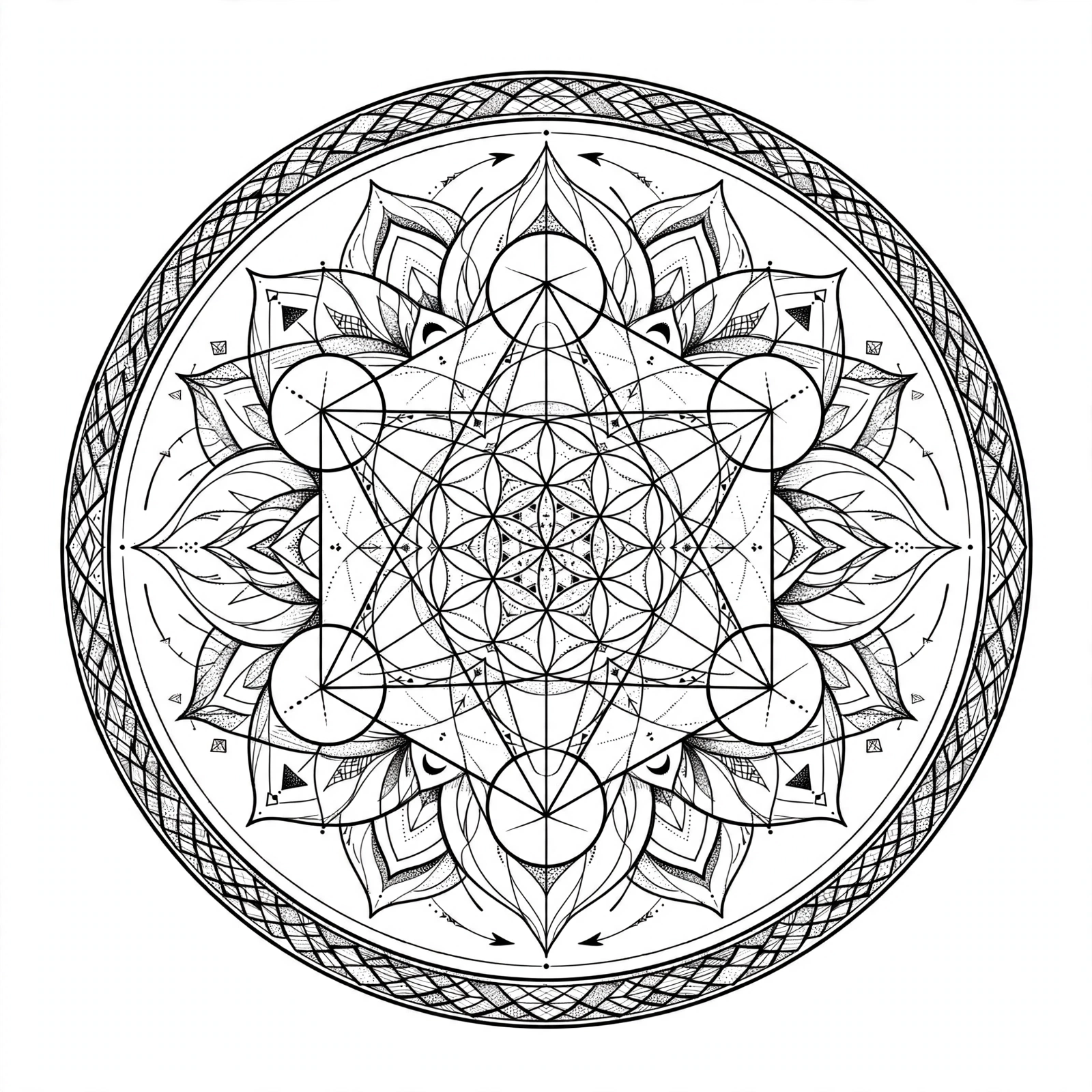
A mandala centred on the elbow point, with symmetrical petals radiating outward.
A classic spider web stretched across the elbow, with the web's centre on the point.
A bold star on the elbow point, with clean lines that read clearly from a distance.
A single eye centred on the elbow, drawn in bold blackwork.
A compass rose on the elbow point, its four points reaching toward the edges of the joint.
A sun with short, bold rays circling the elbow point.
A flower centred on the elbow, with petals opening outward in a circle.
A geometric circle of dotwork and linework wrapping the elbow point.
A snake coiled in a ring around the elbow, its head resting near the point.
The elbow point suits the same circular zodiac designs as the knee. A small zodiac wheel or circular constellation map centred on the point uses the joint's round shape, with your sign's glyph in the middle and its stars ringing it — a design that stays symmetrical as the arm bends. The ditch is the wrong place for this: its constant creasing would soften fine star patterns quickly, so keep zodiac work on the point and keep it bold. Like all zodiac tattoos, these are decorative interpretations of astrological symbolism, chosen for personal meaning rather than as predictions or advice.
Generate a design for this placement — your sign, your intention, your style. Free, no sign-up.
Size (Tiny to Extra Large) and style in, cost range out. Ranges are estimates — an artist quote wins.
12 placements: Wrist, Forearm, Upper Arm, Chest, Back, Ribs, Thigh, Ankle, Neck, Hand, Foot, Inner Arm. Shows pain range, healing and fading for the chosen spot. Ranges only — sources disagree, no single decimal is a fact.
Knee tattoos: round mandala ideas, high pain, slower healing. Joint movement cracks ink — small, bold and simple, expect touch-ups.
Full sleeve tattoos: cost $2,000-$12,000, 15-50 hours over 4-8 sessions, ideas, and how to plan one piece instead of scattered tattoos.
Yes — high pain, reported 8/10.
The ditch creases every move, so ink fades fast there. The point holds better.
Small, bold designs — and as a sleeve gap-filler.
The ditch creases every time you bend your arm, and that constant folding fades ink fast. The point holds better because it does not fold, which is why most elbow designs are centred on the point rather than in the crease.
Pain is high across the elbow, reported at 8/10, and the ditch's thin, creased skin is an uncomfortable spot to tattoo. Either way, expect a painful session — the real difference between point and ditch is how well the ink lasts, not how much it hurts.
Yes — the elbow is a classic sleeve gap-filler. A small, bold design on the point ties the upper and lower arm together and completes the sleeve, and it works just as well as a standalone piece if you have no sleeve.
AI designs are for inspiration only. Always consult a licensed tattoo artist. This page does not provide medical advice. Last reviewed: 24 November 2026.