AI Tattoo Generator
Generate a design for this placement — your sign, your intention, your style. Free, no sign-up.
knee tattoos
Knee tattoos: round mandala ideas, high pain, slower healing. Joint movement cracks ink — small, bold and simple, expect touch-ups.
Generate a design for this placement →

A knee tattoo is a design placed on or around the kneecap, usually small, bold and round. It is a high-pain placement, and the joint's constant movement is the main issue — it cracks ink, slows healing and means touch-ups are part of the deal, not a surprise.
Key takeaways
| What | What to expect |
|---|---|
| Size | Small |
| Pain | High (grouped with elbow by studio guides) |
| Healing | Slower — joint movement |
| Fading | Fast — movement cracks ink |
Pain is a consensus range — artists and charts disagree on the exact number, so treat it as a range, not a measurement. Only a licensed artist who sees the design and the body part can give you a real quote.
The knee's problem is not just pain — it is movement. The joint bends hundreds of times a day, and every bend stretches and creases the skin, which cracks ink and slows healing. That is why knee tattoos are rated high pain and why even a well-done one fades faster than a tattoo on a still spot.
The knee is a hinge, and a tattoo on a hinge lives a hard life. Every step, every stair and every time you sit down bends the joint, stretching the skin over the kneecap and creasing it at the edges. That constant movement cracks ink — especially on the front of the knee — and it is the main reason knee tattoos fade faster than tattoos on still skin like the outer thigh.
Pain is high on the knee. The kneecap sits close under the skin with very little padding, and the needle's vibration is felt directly on the bone. The skin over the joint is also tight and sensitive, so the session itself is uncomfortable even though a knee tattoo is usually small and does not take long.
None of this means the knee is a bad placement — it means it is an honest one. A knee tattoo will need more care than a thigh tattoo, and it will probably need a touch-up sooner. People who choose the knee usually do so because they love the look of a round design centred on the joint, and they accept the trade-off. Go in with your eyes open, and you will not be disappointed.
Round designs suit the knee because the kneecap itself is round. A mandala, compass rose or sun face centred on the knee uses the joint's shape instead of fighting it, and the symmetry hides small distortions as the knee bends — which is why round, bold and simple is the standard advice here.
The kneecap is a natural centre point, and the best knee tattoos are built around it. A mandala with its centre on the kneecap, a compass rose with its points reaching toward the edges of the joint, or a sun face with rays spreading outward all use the knee's round shape instead of fighting it. When the knee bends, a symmetrical round design flexes evenly in all directions, so small distortions are far less noticeable than they would be on a square or rectangular design.
Bold and simple is the rule. Thick lines and open shapes survive the knee's movement far better than fine detail, and a design with clear gaps between its elements will still be readable after the ink has settled and softened. A mandala with bold petals and dotwork, for example, will age far better than a finely detailed portrait squeezed onto the same small joint.
Size matters too. The knee is a small canvas, and a design that fits the joint — centred on the kneecap, with its edges stopping before the shin and thigh — looks deliberate and complete. A design that spills over onto the shin or thigh can look accidental, and it will be tattooed over two different kinds of skin that heal and age differently.
The front of the knee, over the kneecap, is the classic spot for a centred round design — visible, symmetrical and bold. The back of the knee is softer, creased skin that moves differently and is less commonly chosen, so most people pick the front and accept that joint movement will crack the ink there over time.
The front of the knee is where almost all knee tattoos live. The kneecap gives the design a firm, round centre, the spot is visible in shorts, and a symmetrical design centred on it looks intentional and striking. The trade-off is wear: the front of the knee is where movement cracks ink most, so expect the design to soften and need a touch-up sooner than a tattoo on a still spot.
The back of the knee is a different kind of skin altogether — soft, creased and folded, and it moves in a different way when the joint bends. It is less commonly chosen for tattoos, partly because it is rarely seen and partly because creased skin does not hold a crisp design well. A small, simple motif can work there, but it is a specialist choice rather than a standard one.
Most people choose the front, and the honest advice is to do so with your eyes open. Pick a small, bold and simple round design, centred on the kneecap, and accept that touch-ups are part of owning a knee tattoo. If the idea of regular touch-ups puts you off, the calf or thigh just above or below the knee will give you a similar look with far less maintenance.
Healing is slower on the knee because the joint never stops moving. Every bend pulls at the fresh tattoo, so expect a longer healing period than on a still spot, with extra care to keep the area clean, avoid kneeling, and let the skin settle before putting it through its full range of movement.
A knee tattoo heals more slowly than a tattoo on a still spot, and the reason is movement. You bend your knee every time you walk, sit, climb stairs or get in and out of a car, and every bend pulls at the fresh tattoo. The skin over the joint is tight, so it has little slack to give — which means the healing tattoo is stretched and flexed from the first day.
Kneeling is the thing to avoid most. Putting your weight directly on a fresh knee tattoo presses the ink, rubs it against the floor and can pull at the healing skin. Avoid kneeling, crouching and any activity that forces the knee into a deep bend while the tattoo is fresh, and be careful sitting down and standing up — lower yourself gently rather than dropping into a chair.
Keep the tattoo clean and follow your artist's aftercare instructions, and give it as much rest as you reasonably can in the first week. Wear loose clothing that does not press on the knee, sleep with the leg straight if you can, and expect the skin to feel tight and tender for longer than a tattoo on the thigh or calf would.
Expect touch-ups on a knee tattoo — joint movement cracks ink, especially on the front of the knee, and some fading is normal rather than a sign of bad work. Choosing a small, bold and simple design in the first place keeps touch-ups easy, and a good artist will be honest with you about it before you start.
Touch-ups are part of owning a knee tattoo, and they should be planned for rather than dreaded. Joint movement cracks ink, especially on the front of the knee, so even a well-applied tattoo will soften over time. Some fading is normal here — it is a property of the placement, not a sign that your artist did poor work, and a good artist will tell you that before you book.
The design you choose decides how easy touch-ups will be. A small, bold and simple design — a mandala, a compass rose, a sun face — can be sharpened in a short session, because the lines are thick and the shapes are clear. A dense, finely detailed design is much harder to touch up, because the fine lines that have softened cannot simply be redrawn without the design becoming muddy.
Talk to your artist about touch-ups before the first session, not after the tattoo has faded. Ask how the design is expected to age, when a first touch-up is likely to be needed, and what it will involve. An artist who is honest about the knee's wear is an artist you can trust — and a touch-up policy agreed in advance means there are no surprises later.
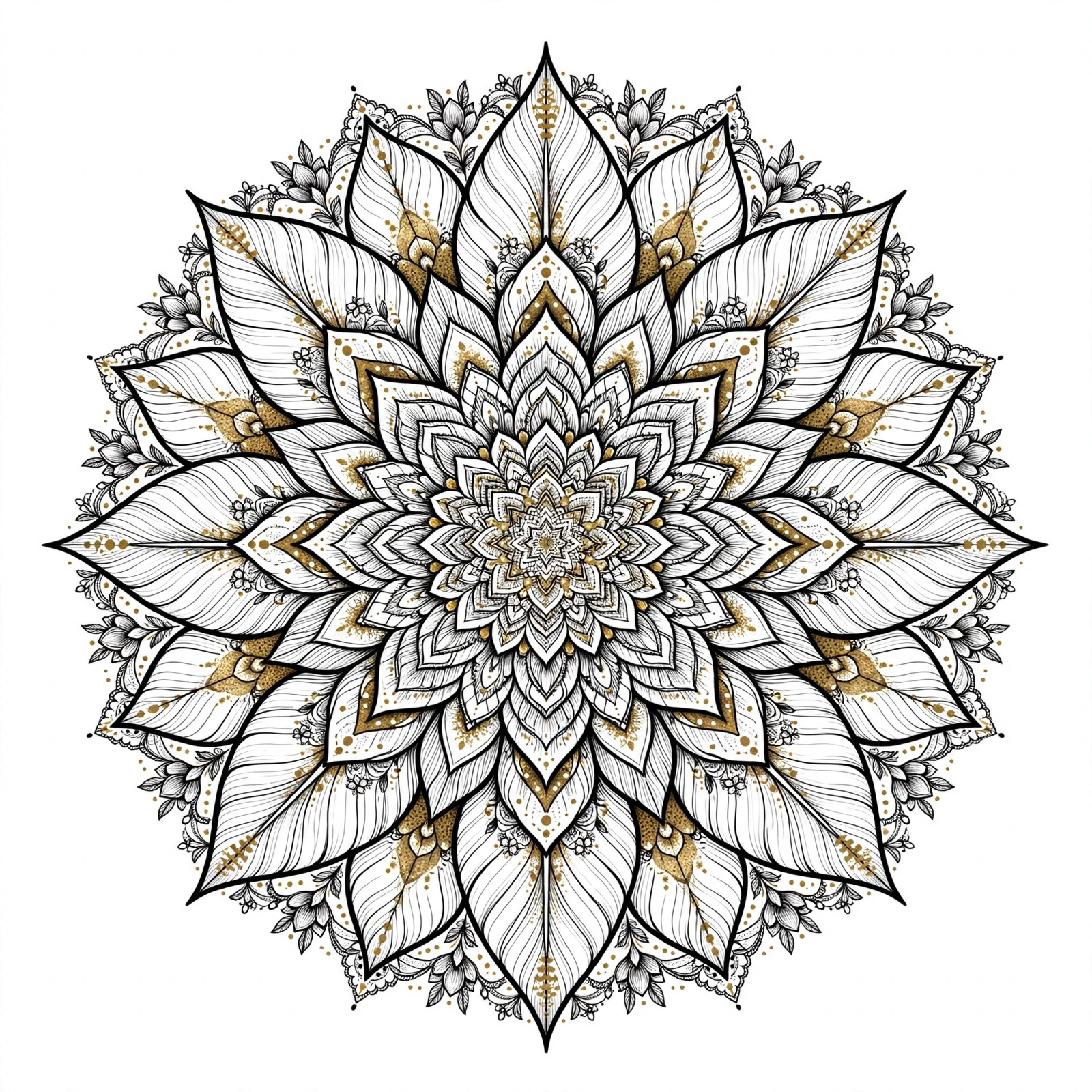
A mandala centred on the kneecap, with symmetrical petals radiating outward as the knee bends.
A spider web stretched across the knee, with the web's centre sitting on the kneecap.
A compass rose centred on the knee, its points reaching toward the edges of the joint.
A sun face on the kneecap, with rays spreading out in a circle.
A single eye centred on the knee, bold and simple, that seems to follow you as you walk.
A geometric star on the kneecap, with clean lines and dotwork around its edges.
A flower centred on the knee, with petals that open outward in every direction.
A snake coiled in a circle around the knee, its head resting near the kneecap.
A crescent moon wrapping around the side of the knee, with small stars scattered beside it.
The knee's round shape suits circular zodiac designs. A zodiac wheel — the twelve signs arranged in a ring — or a circular constellation map fits naturally when centred on the kneecap, using the joint's symmetry instead of fighting it. A single sign's glyph can sit in the centre with its constellation's stars ringing it, or a small sun-and-moon pair can mark the middle. Keep the design bold and simple, because the knee's movement will soften fine detail over time. Like all zodiac tattoos, these are decorative interpretations of astrological symbolism, worn for personal meaning rather than as predictions.
Generate a design for this placement — your sign, your intention, your style. Free, no sign-up.
Size (Tiny to Extra Large) and style in, cost range out. Ranges are estimates — an artist quote wins.
12 placements: Wrist, Forearm, Upper Arm, Chest, Back, Ribs, Thigh, Ankle, Neck, Hand, Foot, Inner Arm. Shows pain range, healing and fading for the chosen spot. Ranges only — sources disagree, no single decimal is a fact.
Leg tattoos: hub for thigh, calf, shin, knee, ankle and foot. Outer thigh and calf are low-pain first-tattoo spots; shin is bony at 7.5/10.
Elbow tattoos: round ideas, pain 8/10, healing 4-6 weeks. Fast fading in the ditch — creases every move. Small, bold, sleeve gap-filler use case.
Yes — high pain. Joint movement is the main issue.
Expect touch-ups. Joint movement cracks ink, especially on the front of the knee.
Small, bold and simple. Round mandalas centred on the knee work best.
Most do, sooner or later. Joint movement cracks ink, especially on the front of the knee, so some fading is normal even with good work. A small, bold and simple design keeps touch-ups straightforward when the time comes.
You will have to bend it, but try to avoid deep bends, kneeling and anything that stretches the fresh skin hard in the first weeks. Healing is slower on the knee precisely because the joint keeps moving, so give it as much rest as you reasonably can.
Small. The kneecap is a compact, round canvas, and round designs centred on it — mandalas, compass roses, sun faces — work best at a size that fits the joint without spilling onto the shin or thigh.
AI designs are for inspiration only. Always consult a licensed tattoo artist. This page does not provide medical advice. Last reviewed: 24 November 2026.