AI Tattoo Generator
Generate a design for this placement — your sign, your intention, your style. Free, no sign-up.
hand tattoos
Hand tattoos: back-of-hand ideas, pain 7.5/10, healing 2-3 weeks, fastest fading. Highly visible — a job-stopper for many people.
Generate a design for this placement →
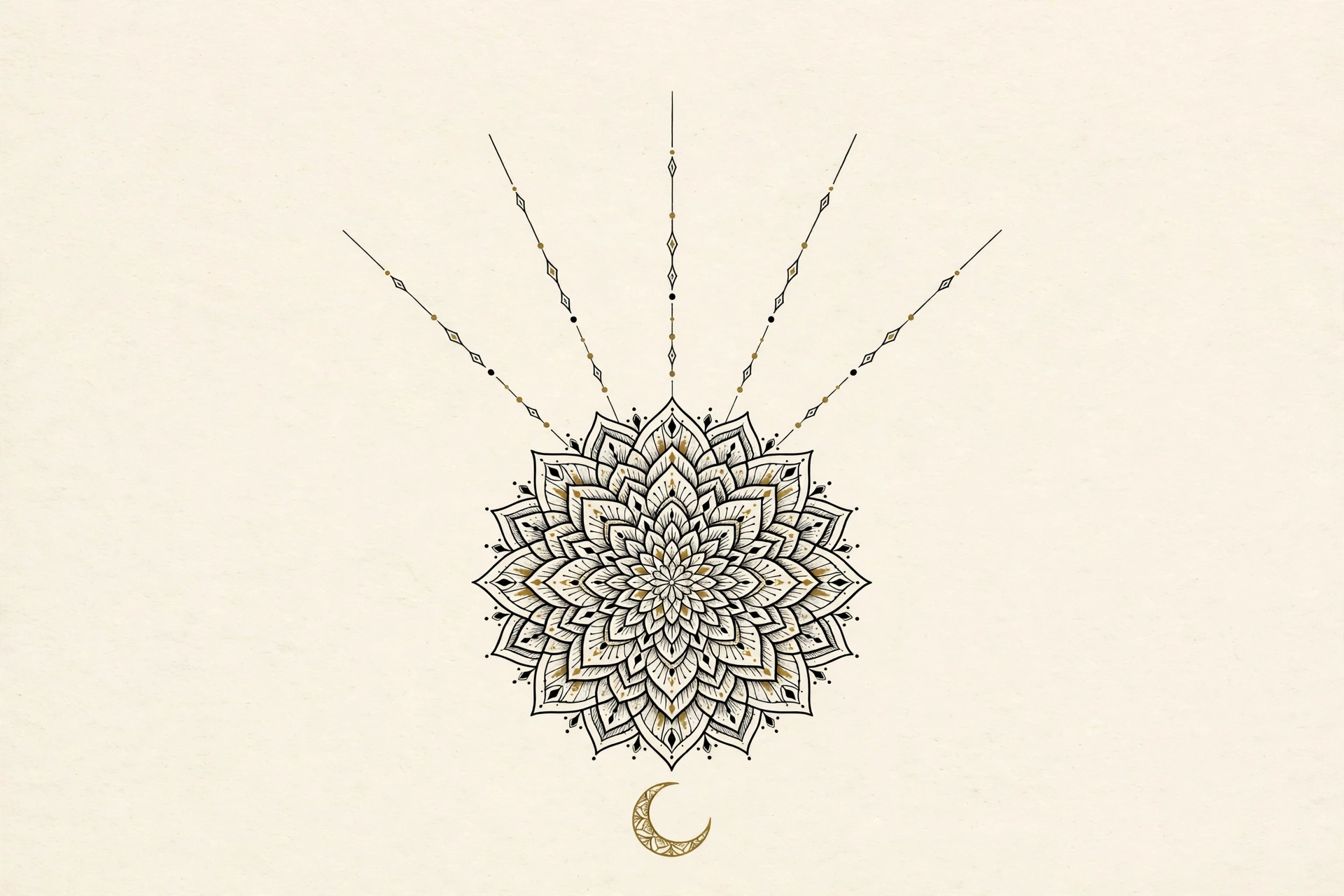
A hand tattoo is a bold, simple design worn on the back of the hand — one of the most visible places on the body, and the fastest-fading. It suits people who already have tattoos, who are sure about the visibility, and who want a small piece with outsized presence rather than fine detail that will not survive.
Key takeaways
| What | What to expect |
|---|---|
| Size | 4-10 cm |
| Pain | 7.5/10 |
| Healing | 2-3 weeks |
| Fading | Fast / fastest — sun and washing |
Pain is a consensus range — artists and charts disagree on the exact number, so treat it as a range, not a measurement. Only a licensed artist who sees the design and the body part can give you a real quote.
Bold, simple designs work on the hand — a single strong symbol, a small animal, a short word, or a simple shape in solid blackwork. The hand is a small canvas, 4–10 cm, that moves constantly and fades fast, so fine detail and delicate linework do not hold here; bold and simple does.
The back of the hand gives you a small, flat patch of skin — about the size of a playing card — and the designs that suit it are the ones that fill that patch with one clear idea. A single rose, a small snake, a moth with its wings spread, a short word across the knuckles, or a bold symbol like an eye or a star: each of these reads instantly, from a distance, and survives the constant movement of the hand. The hand is not a place for a scene, a portrait, or a design with many small parts.
Fine detail is the enemy here. The skin on the back of the hand is thin, it stretches every time you open and close your fingers, and it is washed and exposed to sun all day — so hairline lines spread, small dots blur together, and delicate shading washes out faster than it would anywhere else. Artists who do hand work will push you toward thicker lines, solid fills and simple shapes, not because they cannot draw fine detail, but because they know what a fine-line hand tattoo looks like in two years.
Knuckle tattoos deserve their own note. Letters or tiny symbols across the knuckles are a classic hand tattoo, usually 1–2 cm per knuckle, but they are the hardest-working part of an already hard-working placement — the skin over the knuckles creases with every fist, and the ink there fades fastest of all. If you want knuckle work, keep it to single bold letters or tiny solid symbols, and go in knowing it will need touch-ups sooner than the rest of the hand.
Hand tattoos fade the fastest of any placement, because sun and washing wear them down every day. The back of the hand is almost always uncovered outdoors, and it is washed, scrubbed and exposed to soap, water and friction more than any other tattooed skin — so the ink breaks down sooner here than anywhere else.
The fading comes from everyday life, not from anything you did wrong. Sunlight is the biggest factor: the hands are uncovered in almost any weather, and ultraviolet light breaks down tattoo ink steadily over time. Washing is the second: hands are washed many times a day, with soap and hot water, and every wash is a small amount of wear on the skin. Add friction — gloves, tools, keyboards, steering wheels, washing dishes — and the hand is the most worked-over piece of skin on the body.
That is why many shops do not guarantee hand work. A guarantee usually means the shop will touch up a tattoo for free if it fades or falls out during healing, and on the hand the fading is so predictable that many artists will not promise it. That is not a warning to avoid hand tattoos — it is an honest statement about the placement, and a good artist will tell you upfront that touch-ups are part of owning a hand tattoo, not a sign that something went wrong.
You can slow the fading, but you cannot stop it. Sunscreen on the hands every day once the tattoo is healed is the single most effective habit, and moisturising regularly keeps the skin in better condition to hold the ink. Avoid harsh soaps and long soaks while it heals, and wear gloves for dirty or wet work. Even with perfect care, expect a hand tattoo to soften sooner than a tattoo elsewhere, and budget for a touch-up one day.
Hand tattoos are high pain, reported at 7.5/10. The back of the hand is bone, tendon and dense nerves with very little fat to cushion the needle, so the pain is sharp and direct — and the fingers and knuckles, where the bone sits closest to the surface, are the sharpest part of all.
The anatomy explains the number. The back of the hand has thin skin stretched over bone and tendon, with almost no fat underneath, and the area is packed with nerve endings — which is why the hand is so sensitive to touch in everyday life, and why the needle feels so direct here. The knuckles are worse, because the skin there is thinner still and the bone sits right at the surface, and the fingers are worse again for the same reason.
The session is usually short, because hand designs are small — but the intensity is high for every minute of it. The vibration travels through the small bones of the hand, and many people describe feeling the buzz in their fingers and wrist as much as at the needle. The hand also has to stay perfectly still while the artist works, which is harder than it sounds: the natural instinct is to pull away, and holding the hand flat and relaxed takes concentration.
If this is your first tattoo, the hand is not the place to start — not only because of the pain, but because of everything else that comes with it: the visibility, the fading, and the fact that you cannot hide it. People who already have tattoos and know how they handle a sharp, intense session are better placed to judge, and if you do go ahead, plan a short session and a calm day afterwards, because a sore hand makes everything harder.
Yes — a hand tattoo will affect work for many people, because it is very visible and almost impossible to hide. Gloves cover it, but most jobs do not allow gloves all day, so think of a hand tattoo as a permanent part of how you present yourself, and make the decision deliberately rather than on impulse.
The visibility of a hand tattoo is total. It shows in every handshake, every meeting, every photo, and every time you reach for something — there is no sleeve long enough and no shirt that covers it. Some workplaces welcome visible tattoos, and in creative and manual trades a hand tattoo is unremarkable, but in many other fields it is still a barrier: customer-facing roles, healthcare, education, finance and law all have workplaces where a hand tattoo will be noticed, and not always kindly.
The honest advice is to think about the next job, not just this one. A hand tattoo is easy to get and very hard to remove, and the work you do in five years may not be the work you do now. If you are early in your career, or if you are not sure where your career is going, a hand tattoo is a decision that narrows your options — and that is worth weighing seriously before you commit. A forearm or upper-arm tattoo gives you most of the same satisfaction with a fraction of the exposure.
None of this means you should not get one. It means the decision should be made with your eyes open, ideally after you already have tattoos elsewhere and have lived with being visibly tattooed for a while. A hand tattoo is a statement about who you are, and it is worth making that statement deliberately — when you are sure, when you have thought about the work consequences, and when the design is one you will still want to see every time you look at your own hand.
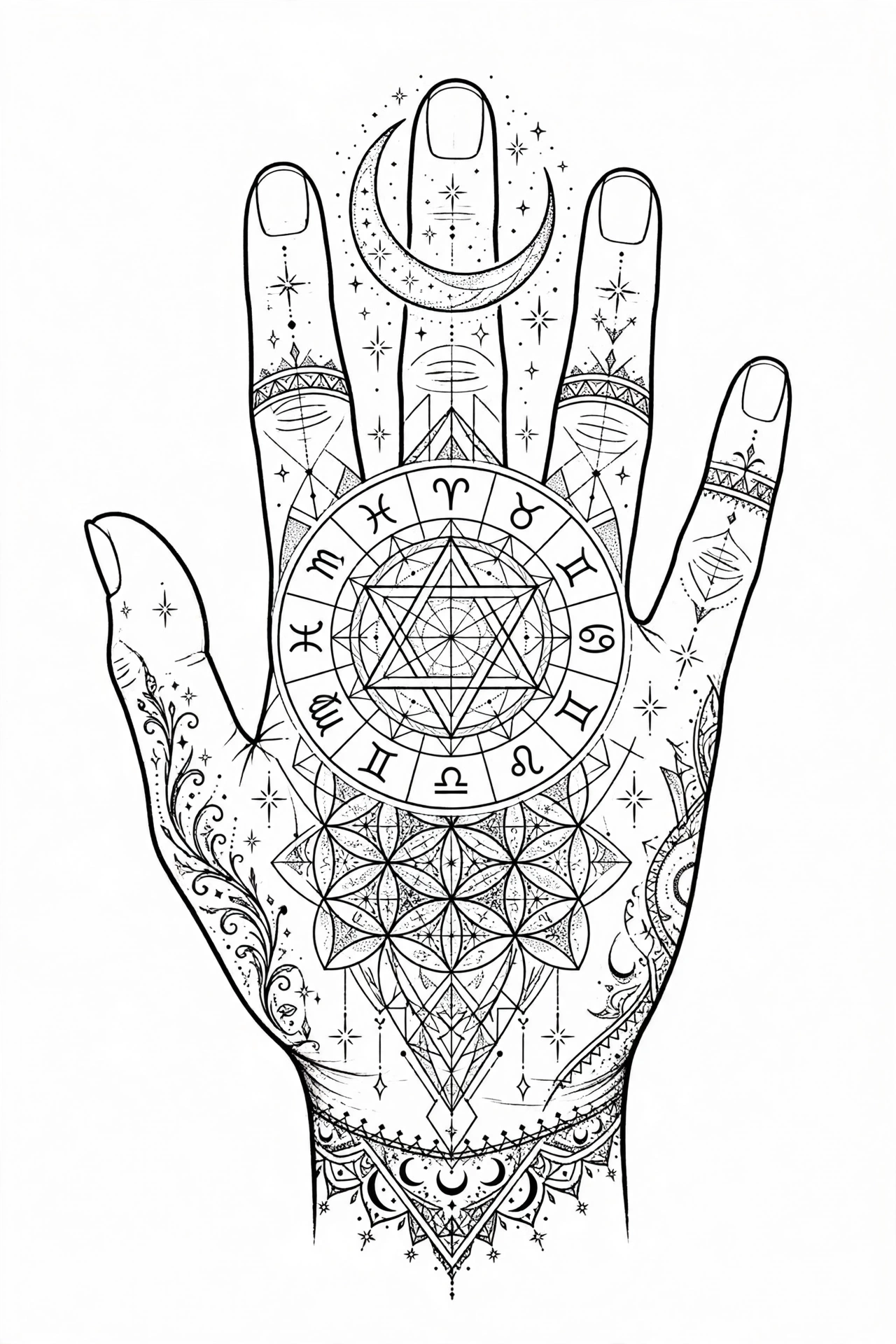
A single bold rose on the back of the hand, petals in solid black and grey, stem toward the wrist.
A small snake coiled on the back of the hand, head pointing toward the fingers.
A moth with its wings spread across the back of the hand, in detailed blackwork.
A single word across the knuckles, one bold letter per finger.
A small eye symbol centred on the back of the hand, with fine rays around it.
A crescent moon and a star on the back of the hand, in solid black.
A small spider sitting on the back of the hand, legs spread in bold blackwork.
A zodiac glyph alone on the back of the hand, drawn bold so it survives sun and washing.
A tiny dagger running from the wrist toward the knuckles, hilt at the wrist.
A small skull on the back of the hand, in bold traditional style with solid fills.
The hand suits a zodiac design that is bold and simple, because there is no room for fine detail and no forgiveness — the sun and the washing will take delicate linework quickly. A single glyph on the back of the hand is the classic choice: one strong symbol, drawn with thick strokes and solid fill, so it reads as your sign after years of sun and soap. A small constellation can work too, but only with large, bold stars and thick connecting lines, not a scatter of hairline dots that blur into a smudge. Treat the sign as personal symbolism, not a forecast — the design says who you are, every time you look at your own hand.
Generate a design for this placement — your sign, your intention, your style. Free, no sign-up.
Size (Tiny to Extra Large) and style in, cost range out. Ranges are estimates — an artist quote wins.
12 placements: Wrist, Forearm, Upper Arm, Chest, Back, Ribs, Thigh, Ankle, Neck, Hand, Foot, Inner Arm. Shows pain range, healing and fading for the chosen spot. Ranges only — sources disagree, no single decimal is a fact.
Existing tattoo type in, cover-up direction out. Types: Black & Grey, Coloured Ink, Outline Only, Old & Faded.
Finger tattoos: tiny glyph and ring-finger ideas, pain 6.5-7.5/10, why they fade in 6-12 months, and when to plan a touch-up. With zodiac glyph options.
Yes — fastest fading. Sun and washing wear them down. Many shops do not guarantee hand work.
High pain, reported 7.5/10. Bone, tendon and dense nerves.
Yes — very visible, a job-stopper for many people. Think before you commit.
Very likely, yes. Hand tattoos fade the fastest of any placement, from sun and washing, and most hand tattoos need a touch-up sooner than a tattoo elsewhere. How soon varies from person to person and depends on sun exposure, work and aftercare — ask your artist what they expect and what a touch-up costs.
Yes — gentle washing is part of aftercare. Wash with plain soap and lukewarm water, pat dry, and moisturise thinly. What you should avoid is soaking: no long baths, no swimming, and no dishwashing without gloves until the tattoo has fully healed, which takes 2–3 weeks.
No — fingers are a separate placement with their own guide, and they behave differently again. The back of the hand is a small, flat canvas that holds a bold design well; fingers are narrower, crease more, and fade faster still. If you are choosing between them, the back of the hand is the more forgiving of the two.
AI designs are for inspiration only. Always consult a licensed tattoo artist. This page does not provide medical advice. Last reviewed: 24 November 2026.