Tattoo Cost Estimator
Size (Tiny to Extra Large) and style in, cost range out. Ranges are estimates — an artist quote wins. A 20% tip is shown separately.
rib script tattoo · Rib Tattoos
Rib script tattoo ideas: 10 designs for words along the rib curve, plus sizing, spelling checks and honest pain guidance.
Rib script is writing worn where only you can read it: a line of words following the curve of your ribs, hidden by clothing, close to the breath. It is one of the most personal tattoos you can get and one of the most painful. Here are 10 script ideas, plus the sizing, spelling and pain checks to run first.
This page sits under Rib Tattoos.
Key takeaways
| What | What to expect |
|---|---|
| Size | 12–30 cm |
| Pain | 8–9/10 (consensus range, sources disagree) |
| Healing | 4–6 weeks (a second workbook table gives 3–4 weeks) |
| Fading | Moderate |
Pain is a consensus range — artists and charts disagree on the exact number, so treat it as a range, not a measurement. Only a licensed artist who sees the design and the body part can give you a real quote.
Script suits the ribs because the ribcage gives writing its natural shape: a long, narrow, gently curved line. A sentence follows the ribs the way it follows a page, and the spot hides completely under clothing. The trade-off is pain — the ribs are one of the sharpest places to get tattooed.
The ribcage is the body's margin. It is long enough for a full sentence, narrow enough that the words stay in one line, and curved just enough that the line feels organic rather than stamped on. A phrase that would look lost on the forearm finds its home here.
But the ribs are also honest about their cost. The skin is thin over bone, every breath moves the area while the needle works, and healing takes 4–6 weeks with the skin stretching constantly. Script on the ribs is a commitment to the words, not just to the look — which is why the words deserve more thought than the font.
Rib script usually runs 12–30 cm, following the rib curve from under the arm toward the hip. A single line of words needs at least 15 cm to stay readable; shorter than that, the letters crowd and blur. Measure the line on your own ribs before you choose the words.
Length is readability. Script squeezed into 10 cm forces the letters small and close together, and small close letters are the first thing to blur as ink settles. At 15–20 cm, each letter has room to breathe, and the line reads clearly from a normal distance.
The curve matters too. Ribs are not flat — they arc from the spine toward the chest, and a straight stencil applied to a curved surface will sit crooked. Ask your artist to stencil the words while you are standing and breathing normally, so the line follows your actual rib curve. Read it in a mirror before the needle starts: if it looks tilted standing still, it will look tilted forever.
A medium line weight holds up best on the ribs, because the skin stretches with every breath and very fine lines spread sooner here. Fine-line script looks elegant on day one but needs more space between letters to survive. Bold script reads longest, but suits short words better than long sentences.
Line weight is a bet on the future. Fine line is beautiful fresh — delicate, light, almost handwritten. But the ribs move more than almost any other spot: breathing, twisting, laughing, all stretch the skin thousands of times a day. Thin lines under that movement spread, and the gaps between letters close up.
Medium weight is the compromise that ages best. The letters stay separate, the words stay readable, and the design still looks like handwriting rather than a stamp. If you love fine line, compensate with size: bigger letters, wider spacing, fewer words. And ask to see a healed rib script at three or five years old — the difference between weights is obvious in the healed photo.
Check the spelling three times, in the exact lettering, and have someone else read it too. Check the wording in its original language if it is not English, and read it aloud before the stencil is made. A spelling mistake in a rib tattoo is permanent, painful to fix, and entirely avoidable.
Spelling is the one thing you cannot fix with a touch-up. A wrong letter means a cover-up or laser, both harder on the ribs than the original tattoo. So check the words in the exact font and size they will be tattooed in — letters that look right in one font can merge in another.
If the words are in a language you do not speak fluently, get a native speaker to check them, not a translation app. Apps miss idiom, tone and script errors, and a wrong character in another writing system is the most common script regret. Then read the line aloud. Words that sound right in your head can read oddly on skin, and hearing them is the fastest way to catch it.
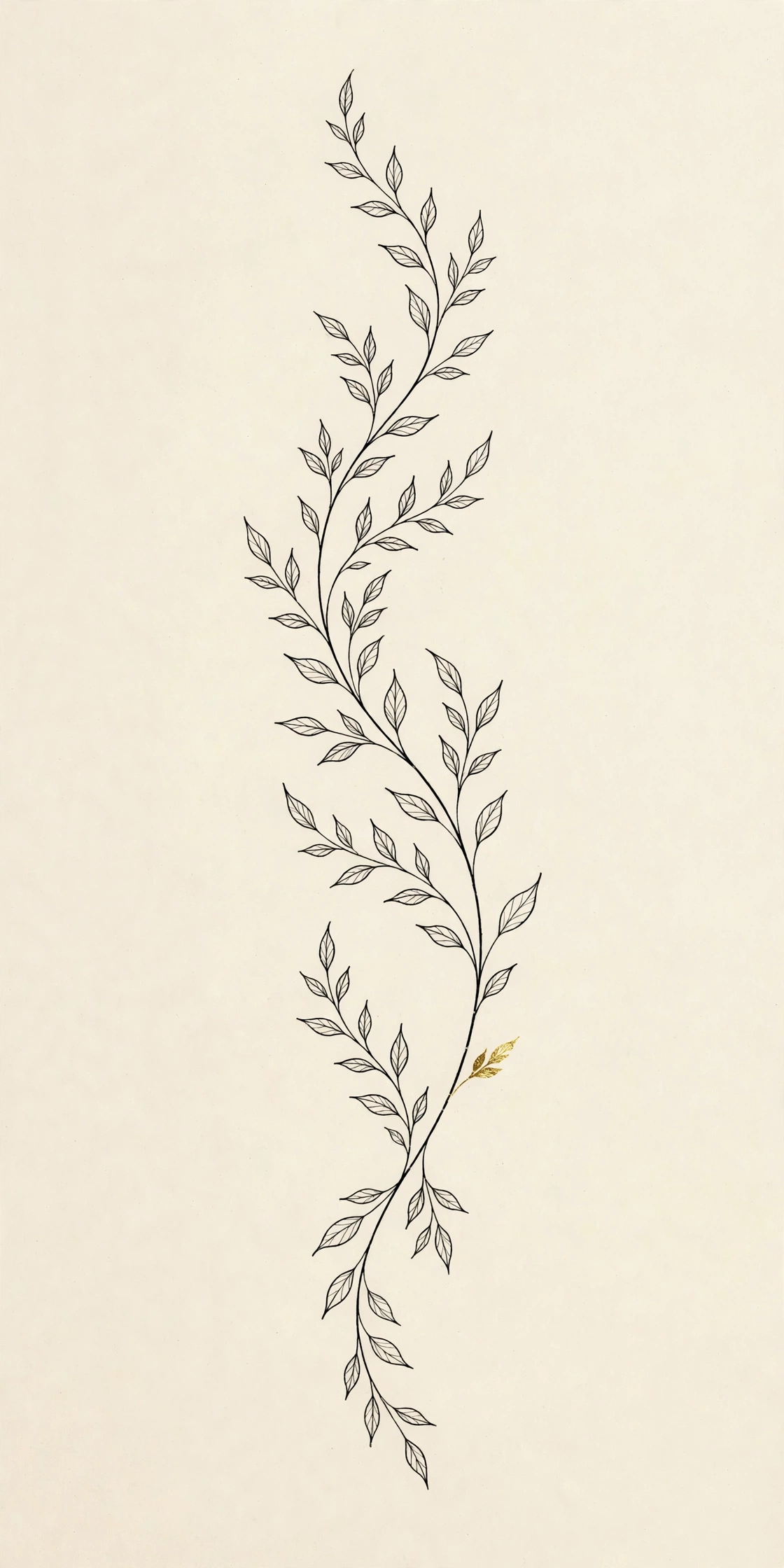
A single line of your own words in fine script, running vertically along the rib curve from under the arm toward the hip.
A date in Roman numerals in clean fine line, small and straight, placed high on the ribs where it stays hidden.
A short phrase in your own handwriting, transferred exactly as you wrote it, in medium line weight so it holds over time.
A line of script wrapped around a small crescent moon, the words curving gently with the rib line in black with one gold star.
Two short lines of script stacked along the ribs, the second line shorter than the first, like a verse on a page.
A single word in large, bold script across the side ribs, the letters spaced wide so each one stays readable as the skin moves.
Script following a fine-line vine, the words woven between small leaves that run vertically down the ribcage.
A moon-phase sequence with one short line of script beneath it, the moons marking the rhythm and the words marking the meaning.
A line of script in a language that matters to you, checked word for word with a native speaker before the stencil is made.
A small constellation with a single line of script beneath it, your sign's stars in fine dots and the words in matching fine line.
Plan the numbers properly: try the Cost Estimator for a size-and-style estimate, and read the Placement Pain Guide before you pick a spot. Only a licensed artist who sees the design and the body part can give you a real quote.
See also: Placement Pain Guide · Tattoo Generator · Birth Chart Generator.
The generator reads your birth date, your intention and your style, so the design it makes is yours, not a copy of someone else's.
Size (Tiny to Extra Large) and style in, cost range out. Ranges are estimates — an artist quote wins. A 20% tip is shown separately.
All 23 placements from our placement guides — pick a spot, optionally compare a second one, and see its pain range, healing time, fading and size guidance, quoted from the same guide data, with a link to the full placement guide. Ranges only — sources disagree, no single decimal is a fact.
Two sun signs in, an honest reading out — no invented percentages. The tool compares the two signs' elements and ruling planets, tells you where the pairing clicks and where it rubs, and turns it into a matching-tattoo idea with links to both sign guides.
Your Sun, Moon and Rising signs from your birth date and time — all three computed in your browser, with the Moon and Rising honestly labelled approximate. Each sign comes with a short traditional reading and a tattoo angle, plus links to its sign guide and to the wheel and fusion tools.
See the full list on the Rib Tattoos main page.
Rib tattoo healing guide: how long it takes, why ribs heal slowly, the week-by-week timeline and when to call a clinician.
Rib tattoo ideas: 12 long vertical designs for the rib curve — vines, snakes, constellations and script — plus pain and healing facts.
Rib tattoo pain explained: how much it hurts, why ribs hurt more than most spots, and how to get through a long session.
Side tattoo ideas: 10 tall vertical designs for the ribs-to-hip panel, plus size, pain and healing guidance before you book.
Rib script usually runs 12–30 cm, following the rib curve from under the arm toward the hip. A single line of words needs at least 15 cm to stay readable; shorter than that, the letters crowd and blur. Measure the line on your own ribs before choosing the words.
Rib pain sits around 8–9/10 as a consensus range — sources disagree, so treat it as a rough guide. The skin is thin over bone, and every breath moves the area while the needle works. Script needs steady lines, so expect breaks and a longer session than the size suggests.
Fine-line script looks elegant on the ribs but spreads sooner, because the skin stretches with every breath. A medium line weight holds up better over years. Ask your artist to show you a healed rib script at three or five years old before you choose the weight.
Check the spelling three times, in the exact lettering, and have someone else read it too. Check the wording in its original language if it is not English — a wrong letter in another script is the most common regret. And read it aloud: words that sound right in your head can read oddly on skin.
A line of your own words, a date in Roman numerals, or a short phrase in your own handwriting are the most personal options. Avoid copying a quote you have not checked — a misattributed line is worse than a plain one. The words should be yours, or verified word for word.
Yes, if the words are the point. Ribs give script the long, narrow canvas it needs, and clothing hides it completely. The trade-off is pain and a slow heal — 4–6 weeks, with the skin stretching every time you breathe. Pick the words first, then decide if the ribs are worth it.
AI designs are for inspiration only. Always consult a licensed tattoo artist. Astrology on this site is for inspiration and self-expression. This page does not provide medical advice. Last reviewed: 24 November 2026.