AI Tattoo Generator
Generate a design for this placement — your sign, your intention, your style. Free, no sign-up.
behind the ear tattoos
Behind the ear tattoos: tiny star, moon and flower ideas, pain 6-6.5/10, healing 2-3 weeks. Keep under about 2.5 cm.
Generate a design for this placement →

A behind-the-ear tattoo is a tiny design tucked into the patch of skin behind your ear — a star, a moon, a flower or a single symbol that peeks out when your hair is up and disappears when it is down. It suits people who want their smallest, most discreet tattoo, and who like a secret only some people see.
Key takeaways
| What | What to expect |
|---|---|
| Size | 2-5 cm |
| Pain | 6-6.5/10 |
| Healing | 2-3 weeks |
| Fading | Moderate to fast |
Pain is a consensus range — artists and charts disagree on the exact number, so treat it as a range, not a measurement. Only a licensed artist who sees the design and the body part can give you a real quote.
Tiny, simple designs work behind the ear — a small star, a crescent moon, a single flower, a heart, or one zodiac glyph. Keep it under about 2.5 cm (1 inch): anything larger creeps onto the hairline or down toward the jaw and stops looking like a behind-the-ear tattoo.
The space behind the ear is one of the smallest canvases on the body, and that is the whole point. A single motif, drawn bold and simple, reads beautifully there — a tiny star that catches the light when you tuck your hair back, a crescent moon that looks like it is rising from behind the ear, a small flower with three or four petals. The designs that work best have one clear shape and no fussy detail, because there is simply no room for more.
Size is a hard limit, not a suggestion. Keep the design under about 2.5 cm, and check where it sits: a design that starts behind the ear and drifts onto the hairline will get tangled in hair as it grows, and one that drifts down the jaw stops being a behind-the-ear tattoo and becomes a neck tattoo. Your artist should stencil it, then have you move your head, tuck your hair up and let it down, so you can see exactly where it lands in real life.
Colour can work here in tiny amounts — a single red dot, a small gold star — but blackwork is the safer choice. A solid black star or moon holds its shape for years, while thin coloured lines in such a small space tend to soften and blur sooner. If you want colour, keep it to one small accent inside a bold black shape.
Behind-the-ear tattoos are moderate to high pain, reported at 6–6.5/10. The skin is thin, the bone of the skull sits right underneath, and the needle buzzes close to your ear — so the session is sharp, loud and intense, but usually very short.
The pain comes from three things at once. The skin behind the ear is thin with almost no padding, so the needle works close to the bone. The bone itself carries the vibration, which is why people describe the buzzing as louder than on any other spot — the sound travels through the skull and into the ear canal, and it can feel strange even when the pain itself is manageable.
The good news is the size. A behind-the-ear tattoo is usually a single small motif, so the session is often over in minutes rather than hours, and the intensity is brief. Most people say the worst part is the buzzing in their ear and the odd feeling of the needle so close to their head, rather than the pain itself — and that it was over before they had time to worry about it.
If you are nervous, tell your artist. They will talk you through it, take a short break if you need one, and keep the session as quick as the design allows. Earphones are not an option while the artist works on that side, but focusing on slow breathing helps more than distraction anyway — breathe in, breathe out, and the design is done.
That is the charm of this placement: it shows when your hair is up and hides when it is down. With long hair loose, a behind-the-ear tattoo is almost invisible; tie your hair up, tuck it behind your ear, or wear it short, and the design is on display. You control the reveal.
Hair is the on-off switch. If your hair is long enough to cover your ears, the tattoo is effectively invisible at work, at family gatherings, and anywhere you want it hidden — no make-up, no cover-up, nothing to think about. Pull your hair into a ponytail or a bun, or tuck it behind your ear, and the design appears. That makes it one of the most flexible placements there is, and the reason it is so popular as a first tattoo.
Short hair changes the deal. With a pixie cut, an undercut, or hair that sits above the ear, the tattoo is visible most of the time — which is fine if that is what you want, but worth knowing before you book. The same goes for hairstyles that change: if you are planning to grow your hair out or cut it short soon, think about which version of you will be living with the tattoo.
There is one more consideration: other people notice behind-the-ear tattoos precisely because they appear and disappear. A glimpse of a star or a moon when someone tucks their hair back is a small moment, and people remember it. If you like the idea of a tattoo that starts conversations on your terms, this placement does that better than almost any other.
Fine detail does not hold well here — keep the design bold and simple. The skin behind the ear is thin, it moves when you talk and chew, and it sits close to hair products and glasses arms, so hairline lines soften and spread faster here than on a flat, protected spot like the forearm.
The fading is moderate to fast, and it comes from everyday life rather than anything you did wrong. The skin behind the ear flexes constantly — every time you open your mouth, turn your head, or put on glasses, the skin moves. Add shampoo, conditioner, hair dye, and the arms of your glasses rubbing the same patch of skin, and fine lines have a hard life. A bold star with solid fill will still be a star in five years; a delicate line drawing of a flower with hairline petals will soften into a grey blur.
That is why artists push back when someone asks for a tiny, intricate design here. It is not that they cannot draw it — it is that they know what it will look like in three years. The fix is simple: bolder lines, fewer details, and one strong shape instead of a scene. A zodiac glyph, for example, should be drawn in its boldest form, with thick strokes and no inner detail, so it stays readable as your sign.
Aftercare helps, but it cannot beat anatomy. Keep hair products, dye and glasses off the fresh tattoo while it heals, which takes 2–3 weeks, and once it is healed, sunscreen matters — the area catches sun whenever your hair is up. Even with perfect care, expect this tattoo to soften faster than a larger piece elsewhere, and plan on a touch-up one day if the lines start to blur.
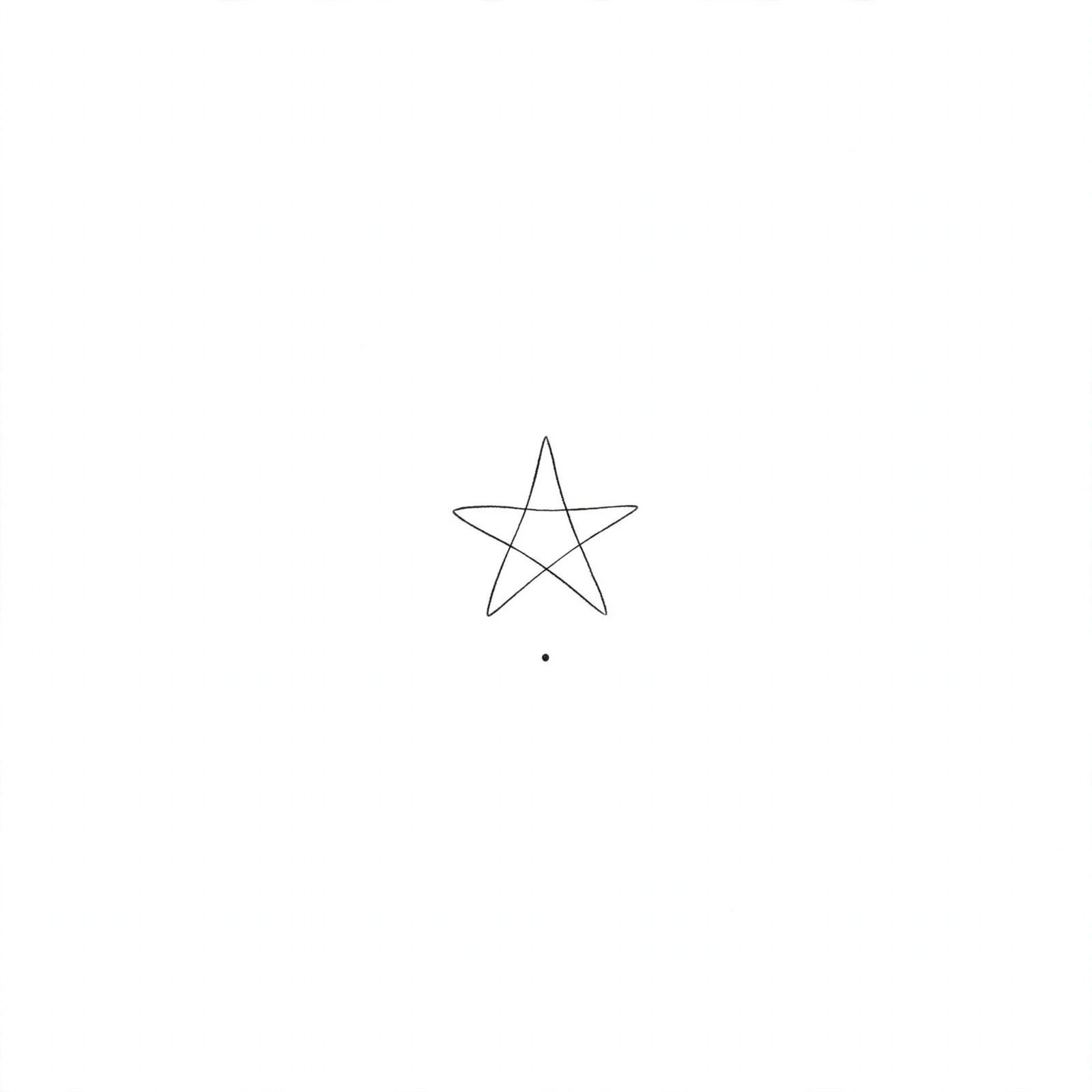
A tiny solid-black star tucked just behind the ear, visible when hair is tied up.
A small crescent moon sitting low behind the ear, horns pointing upward.
A single small flower with four petals and a dot centre, drawn in bold blackwork.
A tiny paper plane flying upward from behind the ear toward the hairline.
A small heart outline, bold and simple, placed where it peeks out when hair is tucked back.
A tiny musical note for music lovers, one clean shape with a solid note head.
A small zodiac glyph in its boldest form, thick strokes and no inner detail.
A tiny sprig of lavender with three small buds, stem curving gently upward.
A small diamond outline, one clean geometric shape, centred behind the ear.
A tiny hummingbird in flight, wings suggested with two or three bold strokes.
Behind the ear is a natural home for a single zodiac glyph, because the space suits exactly one small, strong symbol and nothing more. Pick your own sign — or the sign of someone who matters to you — and have it drawn in the boldest version of the glyph, with thick strokes and no fine inner lines, so it stays readable over time. A tiny constellation can work too, but only if your sign's stars form a compact cluster under 2.5 cm. The glyph's meaning is personal symbolism, not a prediction — it marks an identity or a connection, appearing when you tuck your hair back and disappearing when you let it down.
Generate a design for this placement — your sign, your intention, your style. Free, no sign-up.
Size (Tiny to Extra Large) and style in, cost range out. Ranges are estimates — an artist quote wins.
12 placements: Wrist, Forearm, Upper Arm, Chest, Back, Ribs, Thigh, Ankle, Neck, Hand, Foot, Inner Arm. Shows pain range, healing and fading for the chosen spot. Ranges only — sources disagree, no single decimal is a fact.
Chest tattoos: symmetrical panel ideas, pain reported 4-6.5/10 (sources disagree), healing 3-5 weeks. Large flat canvas, best for symmetry.
Rib tattoos: long vertical ideas, pain 8.5/10, healing 3-6 weeks. High pain — thin skin over bone, and breathing moves the area.
Sternum tattoos: symmetrical ornamental and mandala ideas, pain 8-8.5/10, healing 3-5 weeks. Small to medium, symmetrical designs suit it best.
Moderate to high pain, reported 6-6.5/10. Thin skin.
Keep under about 2.5 cm (1 inch). Larger creeps to the hairline or jaw.
Fine detail does not hold well here. Keep it bold and simple.
No — the tattoo sits on the skin outside the ear and does not reach the ear canal or anything involved in hearing. The buzzing sounds loud because the needle works close to your ear and the vibration travels through the bone, but it is sound and vibration, not damage.
Usually a short appointment — a single tiny motif takes minutes of actual tattooing, plus the time to stencil and position it properly. The short session is one reason this placement is popular as a first tattoo, though the buzzing close to the ear surprises some people.
Not while it heals, which takes 2–3 weeks. Hair dye, bleach and even heavy conditioner should stay off the fresh tattoo until the skin has fully healed, because the chemicals can irritate it and pull ink out. Tell your colourist about the tattoo so they can work around it.
AI designs are for inspiration only. Always consult a licensed tattoo artist. This page does not provide medical advice. Last reviewed: 24 November 2026.