Tattoo Cost Estimator
Size (Tiny to Extra Large) and style in, cost range out. Ranges are estimates — an artist quote wins. A 20% tip is shown separately.
Tribal Tattoos · Tattoo Styles
Tribal tattoos explained — bold black flowing shapes rooted in Indigenous traditions. How the style ages, the placements that suit it, and design ideas to take to your artist.
Tribal is the oldest tattooing of all, and the word covers living traditions that belong to specific Indigenous peoples — Māori tā moko, Polynesian tatau, the hand-tapped work of Borneo and many others. These designs carry genealogy, identity and belonging; they are not a pattern library. This page explains the traditions honestly, and how to approach them with respect.
This page sits under Tattoo Styles.
Key takeaways
| What | What to expect |
|---|---|
| Line | Bold black shapes, points and flowing bands in traditional Indigenous forms; modern versions use graphic blackwork shapes |
| Colour | Black — traditionally and today, the work is done in black ink alone |
| Aging | Solid black ages strongly; closely packed points and fine pattern gaps can merge, so open spacing matters |
| Best placements | Upper arm, shoulder, chest, back, thigh and calf — areas that suit bands, panels and larger flowing compositions |
Tribal tattooing is not one style but many distinct traditions, each belonging to a specific people. Māori tā moko records genealogy and status in its spirals, Polynesian tatau carries family and identity in its patterns, and Borneo traditions hold their own designs and meanings. What they share is bold black work — and designs that belong to those cultures.
That belonging is the most important thing to understand. Tā moko is not decoration: its lines encode whakapapa — a person's ancestry, tribal affiliations and life story — and facial moko in particular is a profound statement of identity reserved for Māori. These are living practices, carried and governed by the peoples they come from.
The bold black armbands and spiky panels that became fashionable in Western studios in recent decades borrowed the look while leaving the meaning — and the permission — behind. Today the conversation has matured. The respectful path is to learn whose tradition a design comes from, never copy facial or genealogical designs, and if you want authentic traditional work, seek an artist from that culture or properly trained and authorised within it, and follow their guidance on what is appropriate for you.
Bold black work ages extremely well, which is one reason these traditions endured: solid black shapes hold their edges, stay high-contrast and remain readable for a lifetime. The ageing risk is only in fine, closely packed pattern work, where small gaps between points and lines can gradually close. Traditional designs were made to be read at distance.
Look at photographs of elders wearing traditional work done decades earlier and the designs are still clear — that is the durability of well-placed solid black on skin. Modern machine work in the same spirit inherits the same advantage, provided the design keeps its spacing generous and does not pack fine detail too tightly in the name of intricacy.
For modern blackwork pieces in a tribal-inspired spirit, the same rule applies: bold shapes, open gaps, and size enough for the pattern to breathe. Very fine rows of points or thin parallel lines squeezed into a small band are where ageing shows first. An experienced artist will open a design up rather than shrink it down, and that advice is worth taking even when the smaller version looks sharper in a photograph today.
Traditional placements follow the body's structure and each culture's own conventions — face, shoulders, chest, back, arms and legs all carry specific work in different traditions, and those conventions belong to those cultures. For modern original blackwork, classic placements are the upper arm and shoulder, chest, back, thigh and calf, where bold bands and panels can follow the muscle.
Placement in traditional tattooing is never random. In Samoan tradition the pe'a covers from waist to knees in a form with its own name and meaning; Māori moko kauae — chin tattoos worn by women — carry identity in a way no other placement does.
For a modern piece of your own, think in terms of flow. A shoulder panel that pours onto the chest and upper arm, a band that rings the upper arm or calf, or a large back composition all let bold black shapes move with the body. Work with your artist on a design drawn for your anatomy — that custom process, ironically, is the part of the tradition any wearer can honestly share in.
Large areas of solid black take time to pack evenly, so tribal and blackwork pieces are priced by size like everything else, with big shoulder, chest or back work at the upper bands and possibly several sessions. Solid black fill is a steady, thorough working of the skin — manageable on fleshy areas, more demanding over bone.
On the usual size bands, a Tiny piece runs $50–250, Small $50–500, Medium $200–1000, Large $500–2000 and Extra Large $500–2000, with a shop minimum of usually $80–$150 and a tip normally separate. A simple bold armband is a small-band piece; a custom shoulder and chest panel is a large one, and time spent designing it with your artist is part of its real cost and value.
If you seek a traditional practitioner who works by hand, expect a conversation first and an appointment that follows that tradition's customs. For studio blackwork, plan breaks for long fill sessions.
The honest list here has two paths. The first is authentic traditional work, designed with — never merely copied by — an artist from the culture or trained within the tradition, following their guidance completely. The second is original modern blackwork: bold bands, panels and flowing shapes drawn from scratch for your body, borrowing nothing specific from any culture.
Both paths can produce a magnificent tattoo. What neither path includes is lifting a tā moko spiral, a pe'a pattern or a Borneo motif from a search result and asking a general studio to reproduce it. Those designs say specific things about specific people, and wearing someone else's genealogy as decoration is the harm to avoid — it is also, frankly, how you end up with a tattoo that knowledgeable people read as a copy.
So start with a conversation. If your admiration is for a particular culture's work, learn about it, find its artists, and ask what they offer clients from outside the culture — many create custom pieces for outside clients, in forms they themselves offer. If you want the bold black look without that relationship, a blackwork artist can design you something strong that is entirely your own.
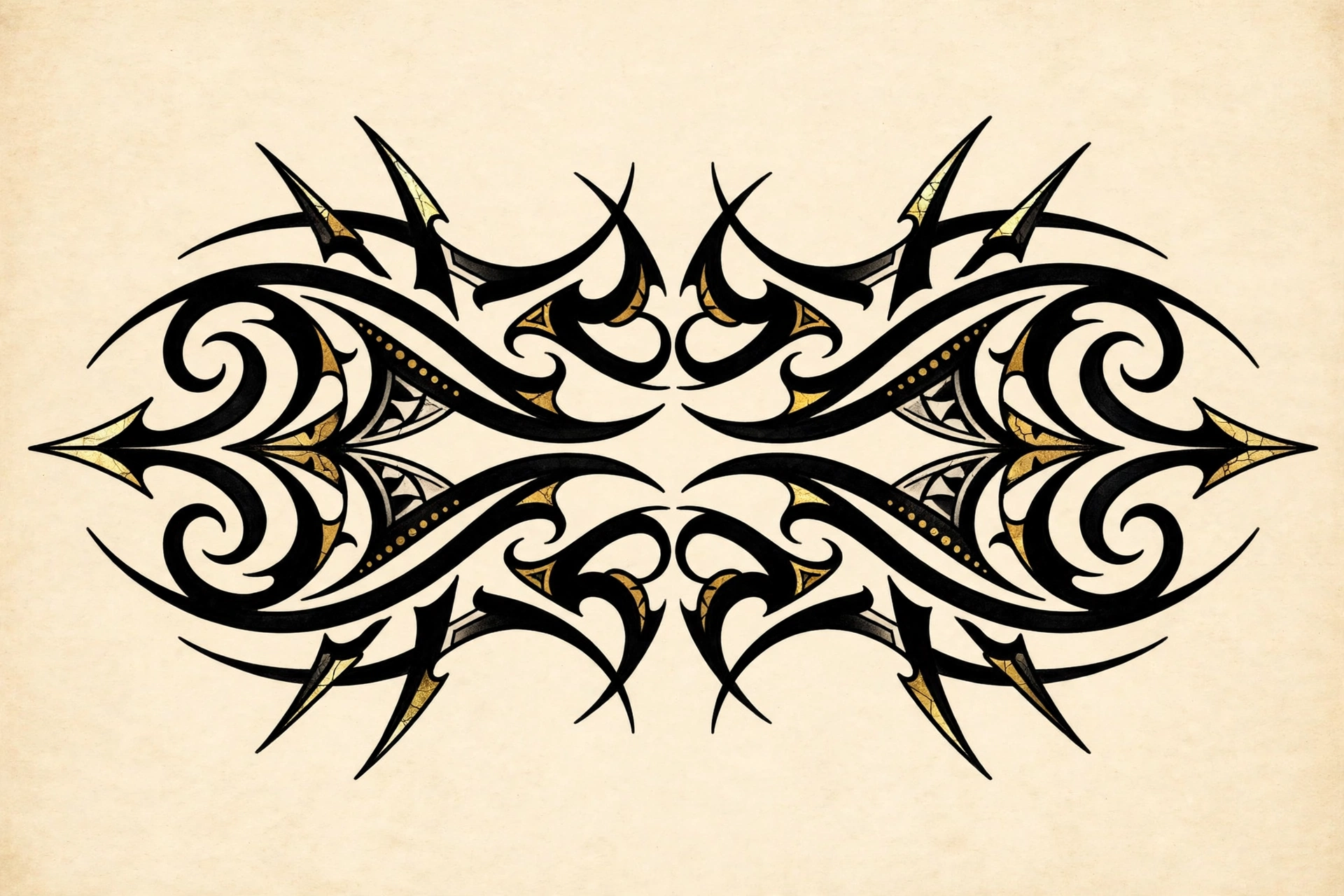
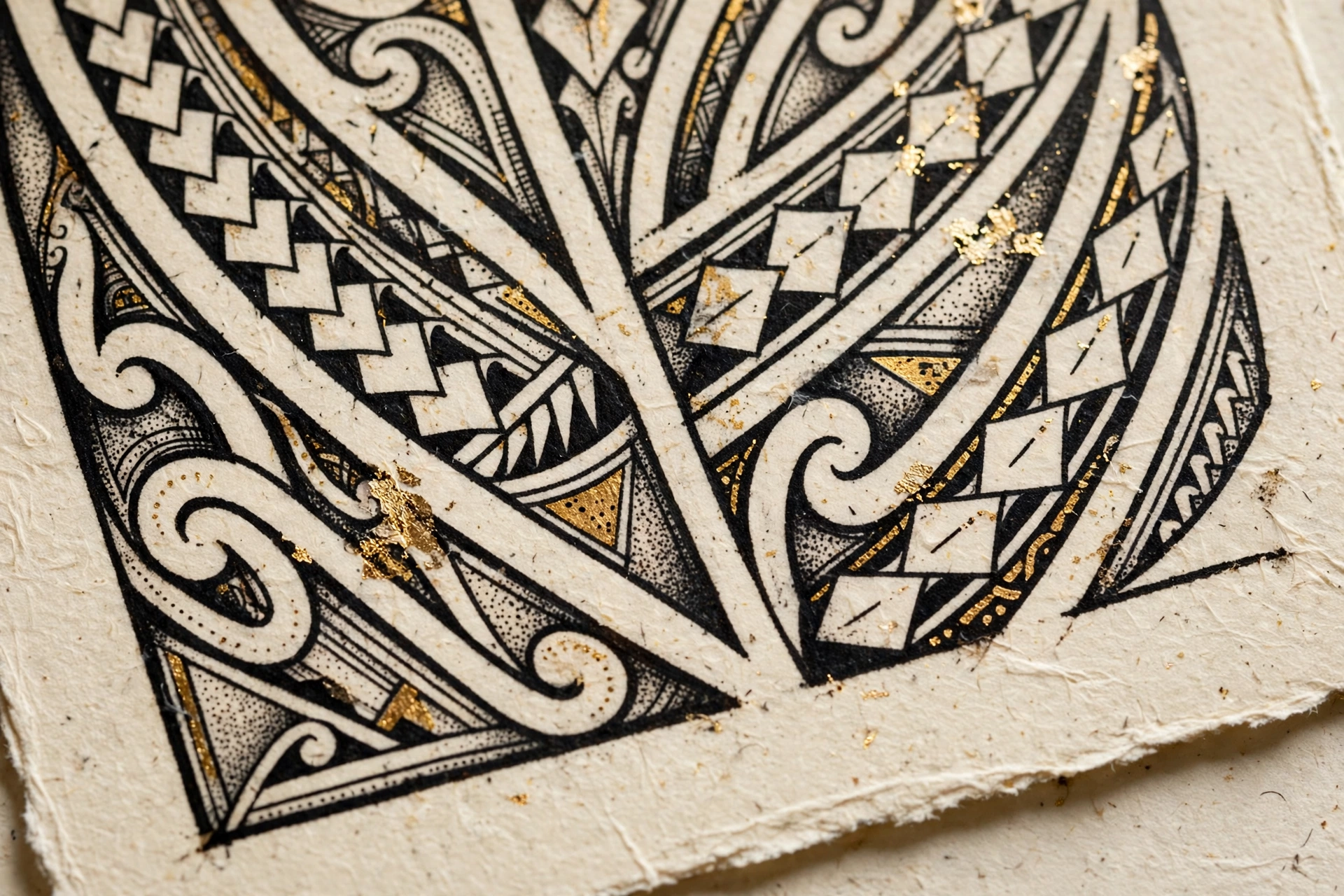
Modern blackwork band around the upper arm — bold original shapes drawn for you, copying no tradition
Flowing blackwork shoulder panel in an original design of waves and points, unique to your body
Bold geometric black band around the calf, simple, strong and entirely your own pattern
Custom work designed with a Māori artist, following their guidance on what is appropriate for you
Custom work designed with a Polynesian artist trained in tatau, created through consultation, not copied
Original blackwork chest panel built from strong symmetrical shapes with no borrowed cultural motifs
Modern tribal-inspired back piece in large flowing black forms, drawn from scratch by your artist
Simple solid black armband with a single personal symbol worked into it, designed with your artist
See also: Tattoo Style Finder Quiz · Tattoo Cost Estimator · All Tattoo Styles.
The generator reads your birth date, your intention and your style, so the design it makes is yours, not a copy of someone else's.
Size (Tiny to Extra Large) and style in, cost range out. Ranges are estimates — an artist quote wins. A 20% tip is shown separately.
All 23 placements from our placement guides — pick a spot, optionally compare a second one, and see its pain range, healing time, fading and size guidance, quoted from the same guide data, with a link to the full placement guide. Ranges only — sources disagree, no single decimal is a fact.
Two sun signs in, an honest reading out — no invented percentages. The tool compares the two signs' elements and ruling planets, tells you where the pairing clicks and where it rubs, and turns it into a matching-tattoo idea with links to both sign guides.
Your Sun, Moon and Rising signs from your birth date and time — all three computed in your browser, with the Moon and Rising honestly labelled approximate. Each sign comes with a short traditional reading and a tattoo angle, plus links to its sign guide and to the wheel and fusion tools.
See the full list on the Tattoo Styles main page.
Traditional (Old School) tattoos explained — bold outlines, limited palette and timeless motifs. How the style ages, the placements that suit it, and design ideas to take to your artist.
Watercolor tattoos explained — painterly washes and splashes without hard outlines. How the style ages, the placements that suit it, and design ideas to take to your artist.
Sketch tattoos explained — raw pencil-energy lines, cross-hatching and unfinished edges. How the style ages, the placements that suit it, and design ideas to take to your artist.
Sacred Geometry tattoos explained — flower of life, metatron and mathematical pattern. How the style ages, the placements that suit it, and design ideas to take to your artist.
Copying a specific culture's traditional designs — especially facial tattoos and patterns that record a person's genealogy and identity — is not respectful and can cause real offence. Learn whose tradition a design belongs to, and either work with an artist from or properly trained in that tradition, with their guidance, or choose an original modern design instead.
Bring the conversation, not a copied pattern. Explain what draws you to the work and listen to how they approach it — artists from a tradition understand which elements are personal and closed and which forms of custom work they are willing to create for clients. Their guidance, not an image search, should shape the design.
Yes, if it is genuinely original: bold black shapes, bands and flowing forms drawn for you, without imitating the specific patterns, symbols or layouts of a particular culture's tradition. Many blackwork artists do exactly this. If a design makes you think of a specific people's sacred patterns, it is too close — redesign it.
Traditionally, tattooing in many Indigenous cultures was done by hand with tools very different from a modern machine, and the process carried cultural and spiritual significance. Some traditional practitioners still work by hand today. A machine tattoo in a studio is a different experience, which is another reason the designs themselves deserve informed respect.
By size as usual: a Small band or panel falls in the $50–500 range, Medium in $200–1000 and Large work such as a full shoulder and chest panel in $500–2000, with a shop minimum usually $80–$150. Custom design work with a specialist artist may involve consultation time before the tattooing itself begins.
AI designs are for inspiration only. Always consult a licensed tattoo artist. Astrology on this site is for inspiration and self-expression. This page does not provide medical advice. Last reviewed: 25 November 2026.